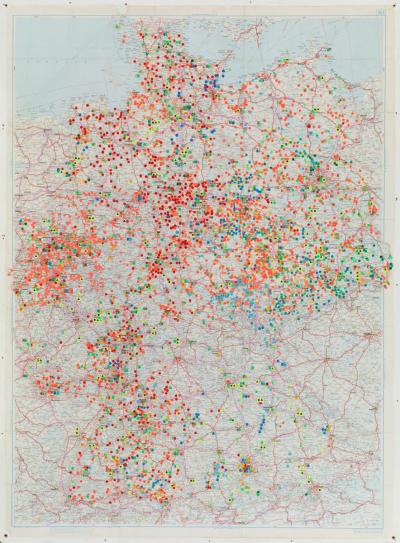
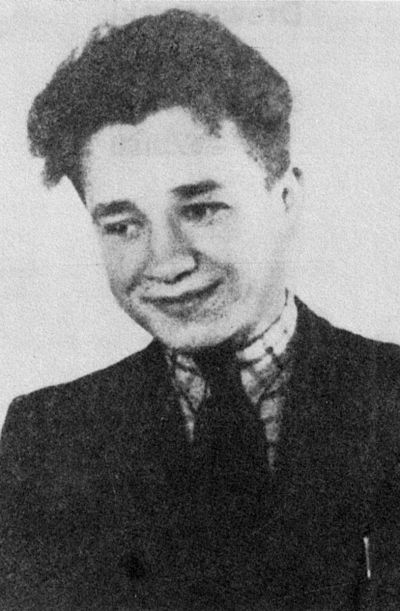
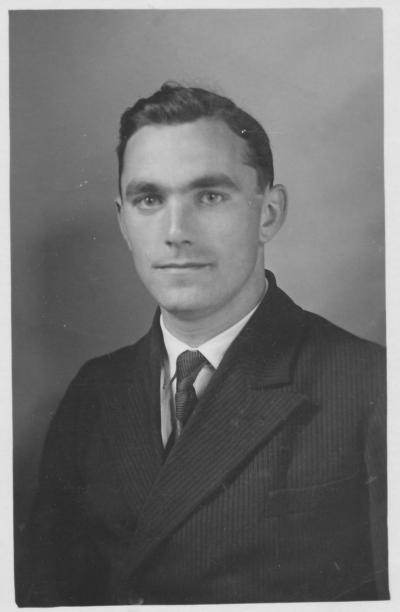
Polish graves at the Perlacher Forst cemetery in Munich
The cemetery and its history
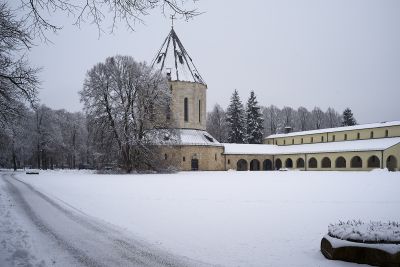
Due to Munich's steady population growth there was a shortage of free space in the city's cemeteries at the end of the 1920s. For instance, in 1929 the East Cemetery was completely overcrowded. Thereupon plans were made to build a new cemetery for up to 100,000 graves on a 100 hectare site at Schwanseestraße. The Stadelheim prison was nearby. Since there was a wide strip of land between the building and the planned cemetery, the planners took over the site. The implementation of the project was entrusted to the city council architect, Hermann Leitenstorfer. It was to be Munich's largest and most beautiful cemetery complex. A chapel was built in the middle of the complex, from which there ran radial avenues surrounded by hedges. Furthermore, trees were planted along the avenues, thereby linking the entire complex to the nearby forest that gave its name to the new cemetery.
Although the complex had not yet been completed the cemetery was opened on February 1. 1931. The chapel was not to be built until two years later. Initially workers and the poorest of the poor were buried in the cemetery. But it was not long before the National Socialists seized power and political reprisals increased. Over 1,200 people were executed in the neighbouring Stadelheim prison until 1945 (the exact number is unknown). Some of them were buried in anonymous mass graves to wipe out any reminder of the deeds. Other corpses were sent to anatomical institutes.
Stadelheim
Stadelheim prison dates back to the end of the 19th century. From 1942 onwards it was one of several places of execution used by the 'Volksgerichtshof'. Until then death sentences had been carried out in Berlin-Plötzensee: but the increasing imposition of death sentences then led to decentralisation. Stadelheim prison served as the execution site for south-eastern Germany and a part of the occupied territories. At the end of the Second World War more than four thousand urns were buried in the cemetery, most of them containing the mortal remains of the victims of the Dachau concentration camp. The cemetery was partially destroyed by an air raid on Munich at the beginning of January 1945. The radial cemetery complex was also changed when the prison was extended in the 1950s.
Groves of Honour and Memorials
After the Second World War it was decided to revive the cemetery and to set up groves of honour and memorials at the sites where victims of the Third Reich had found their final rest. The neighbourhood of Stadelheim prison turned out to be significant for the new purpose given to the cemetery. Among those executed and buried there were members of the Weiße Rose, a resistance group against National Socialism.
The victims of the Dachau concentration camp
The urns of the victims from the Dachau concentration camp had originally been buried in various Munich cemeteries after cremation in the camp, but now the city council decided to bury them in the first Grove of Honour, which was built in 1950. Among the prisoners who had died were Germans, Austrians, Czechs, Poles and people from the former Soviet Union, France and the Netherlands. Altogether 44 burial grounds, each containing 96 urns, were created. Every burial ground was given its own memorial stone. A fountain with mosaics and a Stone of Hope were erected in the centre of the complex. The grove was planted with lime trees, symbolising justice, love, peace and homeland. The number of victims on the memorial stone at the entrance amounts to 4092.
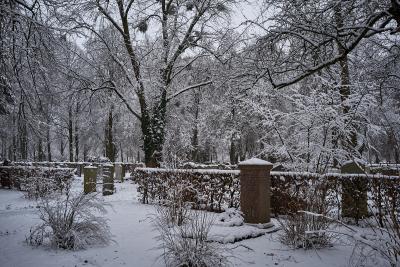
The Cemetery Am Perlacher Forst, Munich
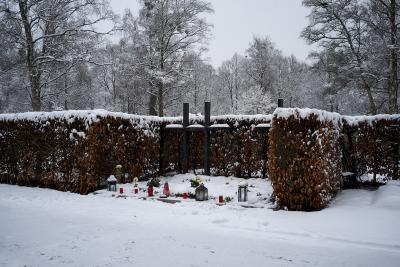
Grave of Sophie and Hans Scholl
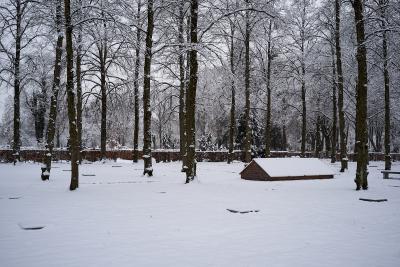
Grave of the victims of the Dachau concentration camp
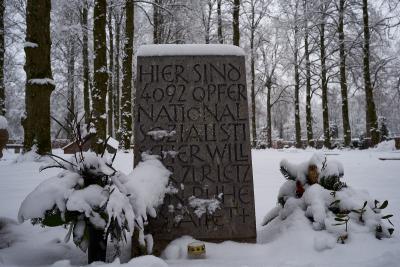
Memorial stone for the 4092 buried victims of the Dachau concentration camp
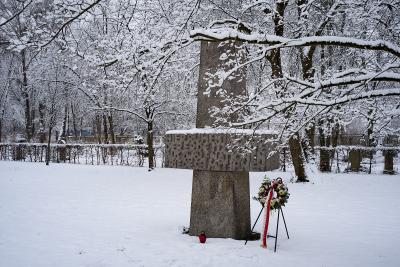
Memorial at the Cemetery Am Perlacher Forst, Munich
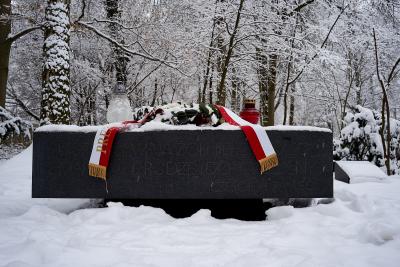
Granite plate commemorating the fallen Polish soldiers
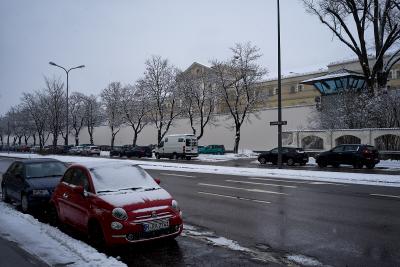
Das Gefängnis Stadelheim
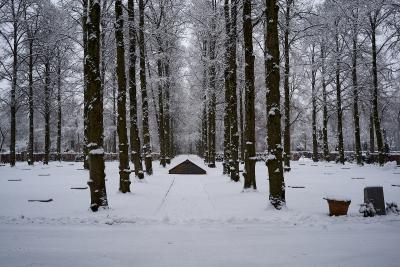
Grave of the murder victims of Dachau concentration camp
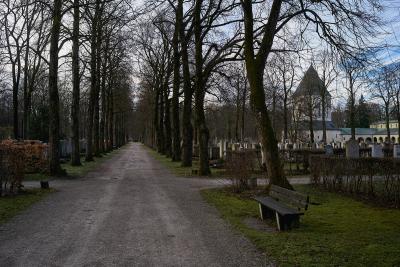
View of the cemetery, on the right side the chapel
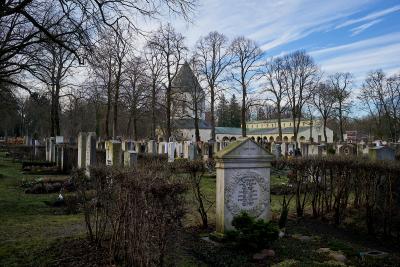
View of the chapel
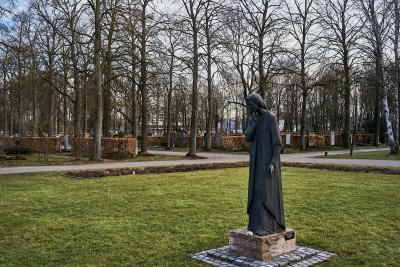
A freestanding monument
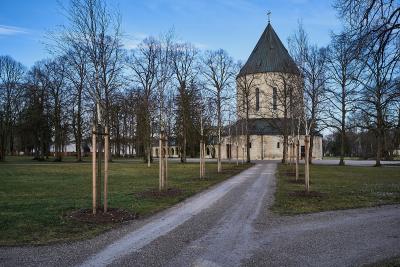
View of the chapel
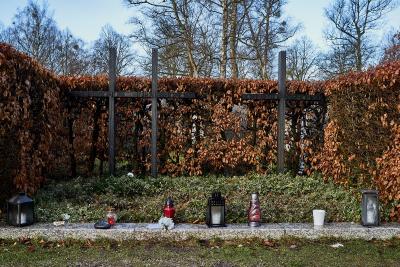
Graves of the members of the White Rose
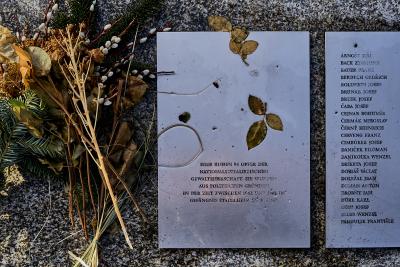
Grave of 96 murdered inmates of Stadelheimer prison
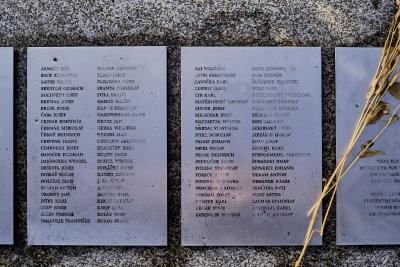
The names of the 96 murdered prisoners of the prison Stadelheim
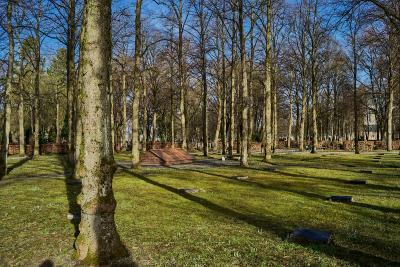
Grave of the murdered of Dachau concentration camp
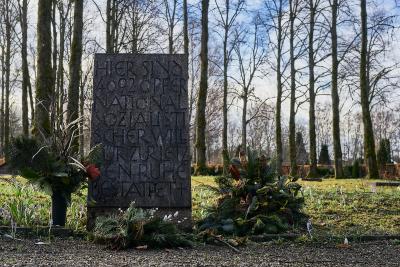
Grave of the murdered of Dachau concentration camp
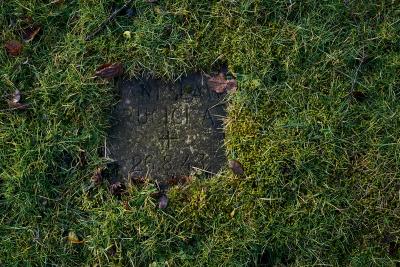
Memorial for the murdered
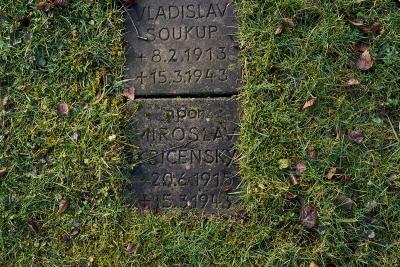
Memorial for the murdered
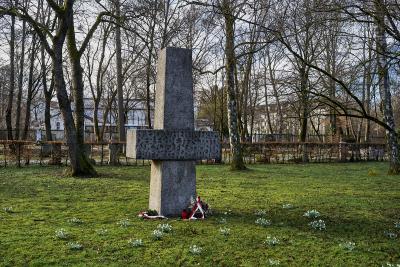
Memorial for forced laborers, prisoners of war and former concentration camp inmates
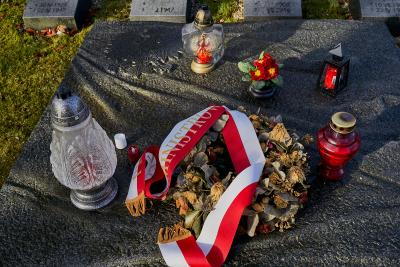
Granite plate commemorating Polish soldiers
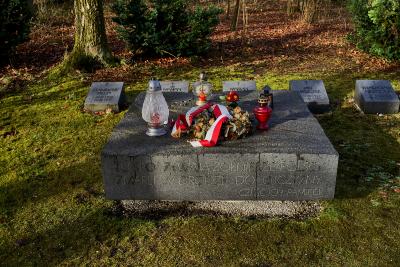
Granite plate commemorating the Polish soldiers
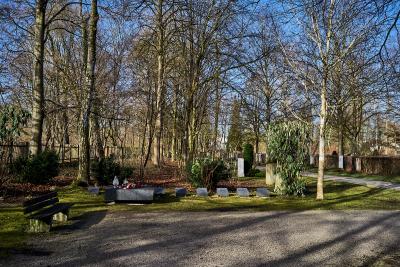
Grave of Polish soldiers
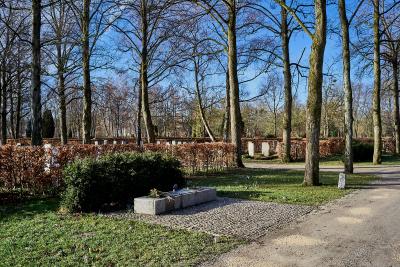
Grave of 96 people who were murdered in Stadelheim prison
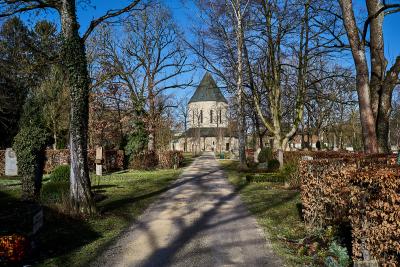
View of the chapel