Kurz vor dem Weihnachtsfest des Kriegsjahres 1942 wurde im nordpfälzischen Kerzenheim bei Kirchheimbolanden der polnische Zwangsarbeiter Leon Dudas erhängt, sein „Vergehen“ hatte einzig darin bestande...
Marta Smolińska (*1975), leidenschaftliche Kunsthistorikerin und Kuratorin aus Rypin, hat bereits über 100 Ausstellungen in Polen sowie einige Ausstellungen in Deutschland kuratiert.
Konrad Bogusław Bach, 1984 in Polen geboren, aufgewachsen in Deutschland, lebt heute an der polnisch-deutschen Grenze und liebt es Geschichten zu erzählen.
Federalna Fundacja Kultury to jedna z największych tego typu instytucji w Europie finansowanych ze środków publicznych. Od 2023 roku kieruje nią Polka, Katarzyna Wielga-Skolimowska.
In der Kirche St. Clemens Maria Hofbauer (1751–1820; Kirche erbaut 1957/58) fällt sofort ein ganzes Frömmigkeitsensemble auf, das aus einer Darstellung des barmherzigen Jesus, einer Blutreliquie des p...
Jacek Głaszcz, urodzony 1958 w Łodzi, od 1983 w Niemczech, polski aktor, lalkarz (teatr Pinokio, Łódź; Guliwer, Warszawa), promotor polskiej kultury w Niemczech.
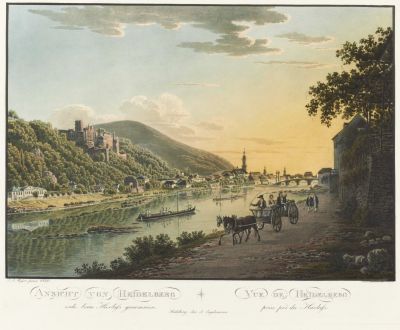
1831 mussten viele Pol:innen infolge des gescheiterten Novemberaufstandes ihr Land verlassen. Dieser Beitrag behandelt Stipendien für diese an der Universität in Heidelberg am Beispiel des polnischen ...
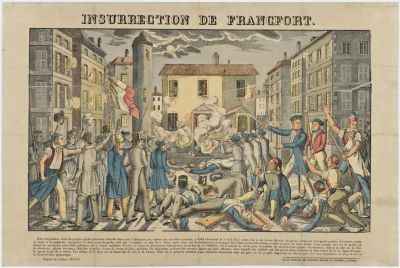
1833 versuchten Liberale und Studierende erfolglos den Umsturz in Frankfurt mit dem Sturm der Haupt- und der Konstablerwache, woran sich auch Pol:innen tatkräftig beteiligten.
Die Künstlerin Angelika J. Trojnarski (geb. 1979 in Mrągowo, Polen) nimmt in ihrem Werk oft Widersprüche auf, Kontradiktorisches, das sich nicht einfach auflösen lässt.
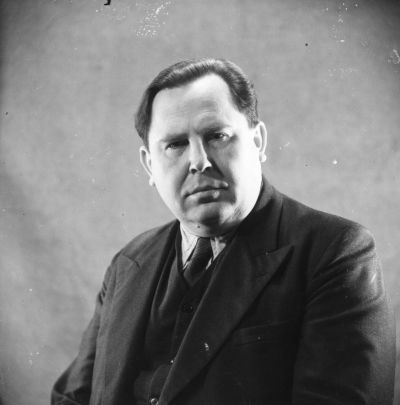
Arka (Arkadiusz) Bożek (1899–1954) – Aktivist der polnischen Minderheit im Oppelner Gebiet in der Zwischenkriegszeit, Mitglied der Leitung des Bundes der Polen in Deutschland (ZPwN), bekannter Redner ...
Nachdem Polen 1918 seine Unabhängigkeit wiedererlangt hatte, gab es an der Universität Breslau (damals Schlesische Friedrich-Wilhelms-Universität Breslau) noch eine kleine Gruppe polnischer Studierend...
After escaping from a conservative Jewish background in the Polish town of Będzin, she led an eventful life shaped by her pursuit of freedom as well as her loyalty to her love and her traditions.
Sie hat in der Schweiz, in Südamerika, in Spanien und in Polen gelebt. Nach Deutschland ist Emilie Girardin wegen ihrer Liebe für das deutsche Theater gekommen.