Forced Labour Camp Memorial Site at Neuaubing

Forced Labour in Munich
Around 13 million foreign labourers were compelled to work for the Nazi regime. In Munich they worked for arms companies such as Krauss-Maffei, BMW and Dornier, but they were also employed by many smaller companies and businesses. The state also used forced labour, to build roads for example. More than 120,000 “civilian foreign workers” are recorded as working in the city in 1944. In addition, thousands of prisoners of war and concentration camp inmates were forced to work.
Altogether, 150,000 forced labourers worked in Munich during the war. Most of them were civilians from the Soviet Union (known as Ostarbeiter or Eastern workers), especially from Ukraine. But many also came from Poland. While initially some of them volunteered for work, as the war went on the Germans increasingly brought people from the zones of occupation to Germany by force and on a massive scale.
Without this systematically organised forced labour the Nazi regime would not have been able to wage war for so long. Even today, this mass-scale crime is insufficiently commemorated. Compensation payments were a long time coming and were made only to certain groups.
Conditions at the RAW-Camp Neuaubing
Most of Munich’s forced labourers were housed in collective accommodation at more than 400 sites. Living conditions differed, but almost everywhere the inmates suffered from poor hygiene, harassment, a lack of privacy, hunger and homesickness.
The barracks camp in Ehrenbürgstraße served as accommodation for forced labourers at the RAW Neuaubing from mid-1942 onwards, if not earlier. As far as we know, about 1,000 people were interned there. The majority came from the Soviet Union. Others were from Poland, Italy, the Netherlands, France, Croatia, Czechoslovakia and Yugoslavia. How they were treated depended on their country of origin.
Among the “Ostarbeiter” and Poles there were entire families, including children and grandparents. Some of the camp inmates intermarried and had children. But we also know of fourteen deaths, some of them suicides. Dozens fled the camp when it was bombed by the Allies in spring 1945.
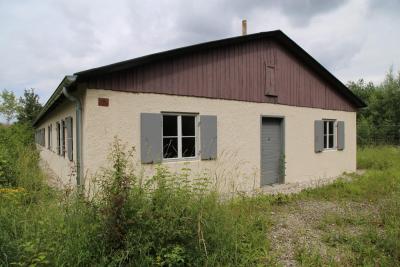
The Barrack 5 of the former Forced Labor Camp Neuaubing

The Barrack 5 of the former Forced Labor Camp Neuaubing
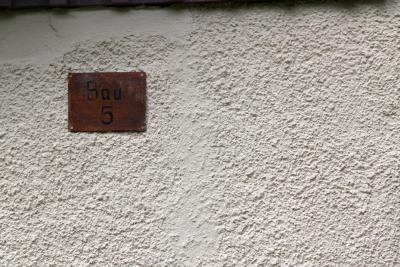
The Barrack 5 of the former Forced Labor Camp Neuaubing
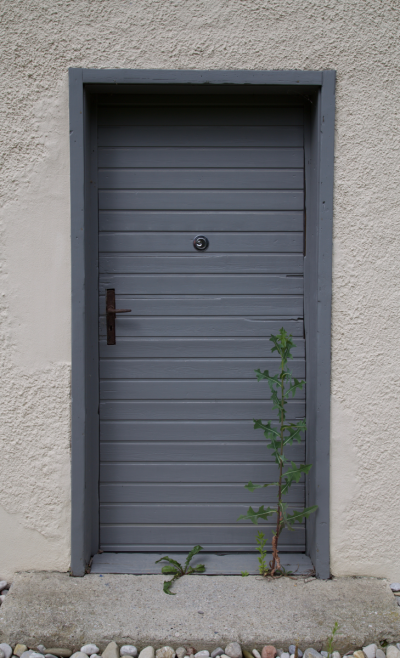
The front door to Barrack 5
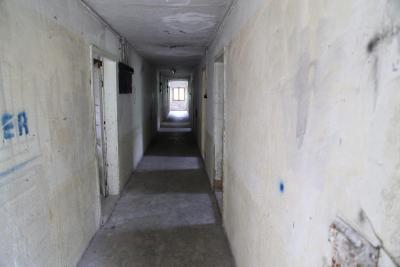
In the Barrack 5 of the former Forced Labor Camp Neuaubing
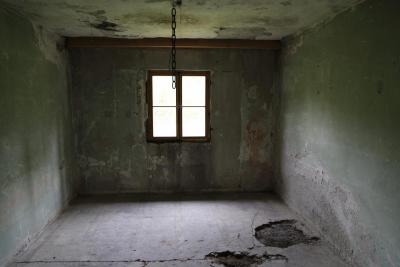
In the Barrack 5 of the former Forced Labor Camp Neuaubing
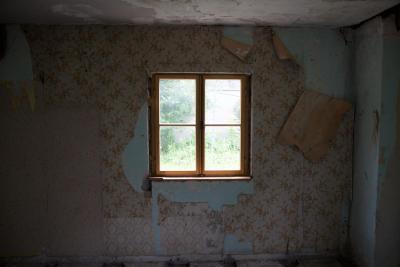
In the barrack 5 of the former Forced Labor Camp Neuaubing
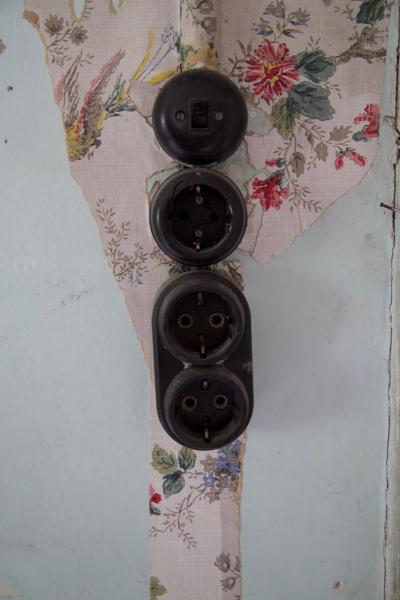
In the barrack 5 of the former Forced Labor Camp Neuaubing
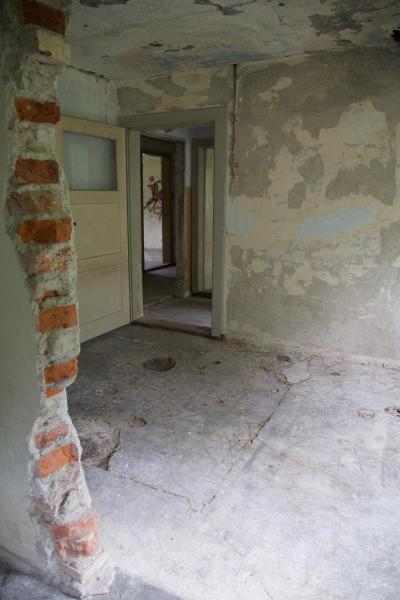
In the barrack 5 of the former Forced Labor Camp Neuaubing
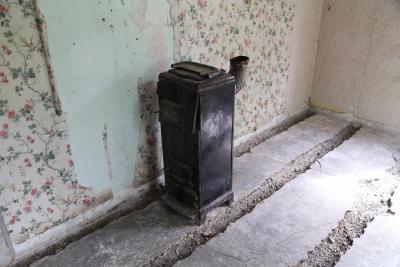
In the barrack 5 of the former Forced Labor Camp Neuaubing
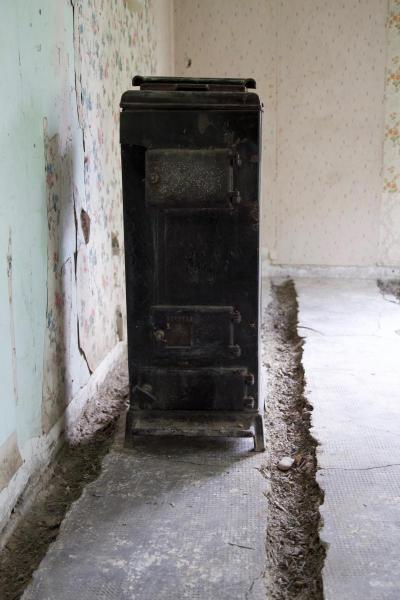
In the barrack 5 of the former Forced Labor Camp Neuaubing
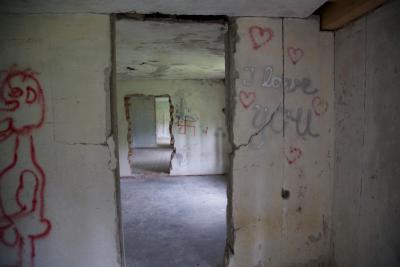
In the barrack 5 of the former Forced Labour Camp Neuaubing
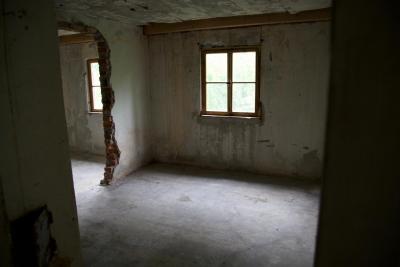
In the barrack 5 of the former Forced Labor Camp Neuaubing
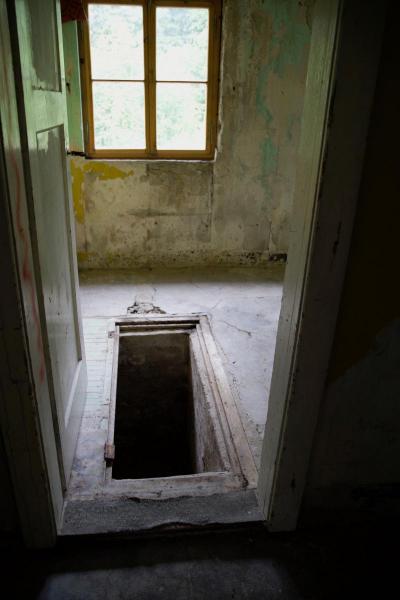
In the barrack 5 of the former Forced Labor Camp Neuaubing
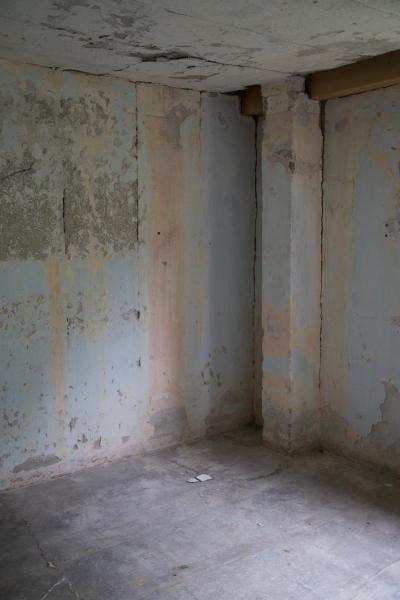
In the barrack 5 of the former Forced Labor Camp Neuaubing
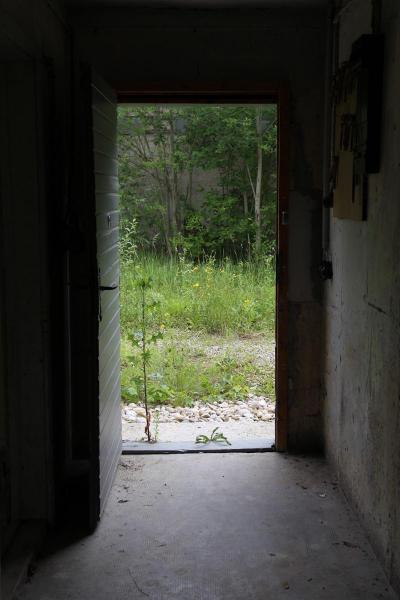
View out of the barrack 5 of the former Forced Labor Camp Neuaubing
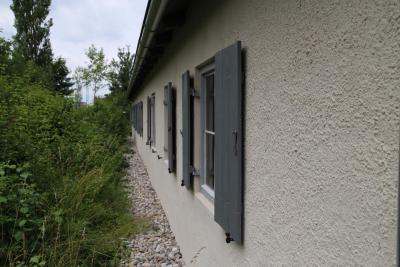
The barrack 5 of the former Forced Labor Camp Neuaubing
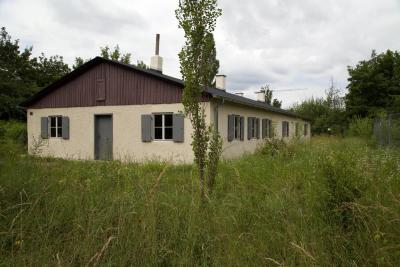
The barrack 5 of the former Forced Labour Camp Neuaubing
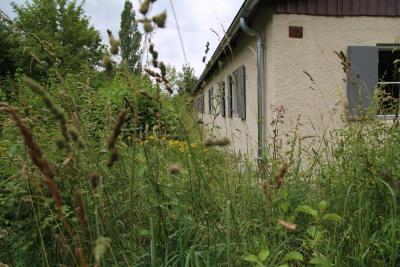
The barrack 5 of the former Forced Labor Camp Neuaubing
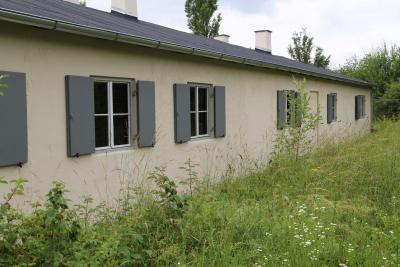
The barrack 5 of the former Forced Labor Camp Neuaubing
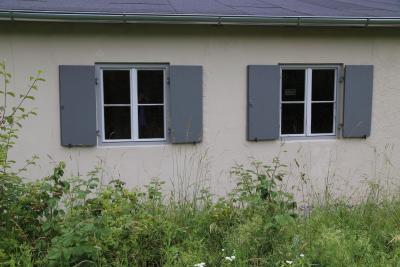
The barrack 5 of the former Forced Labor Camp Neuaubing
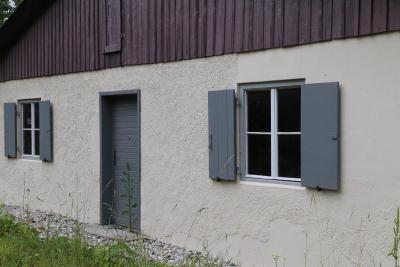
The barrack 5 of the former Forced Labor Camp Neuaubing
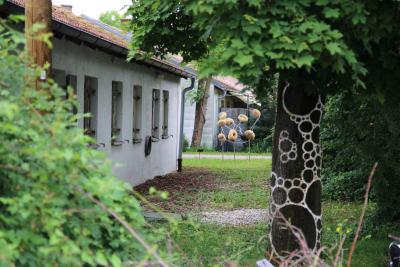
An artist's house in a former barrack
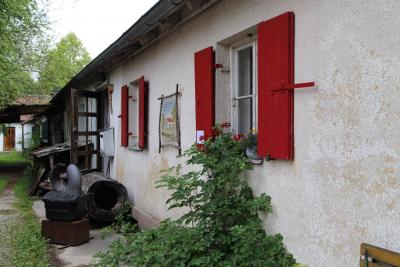
An artist's house in a former barrack
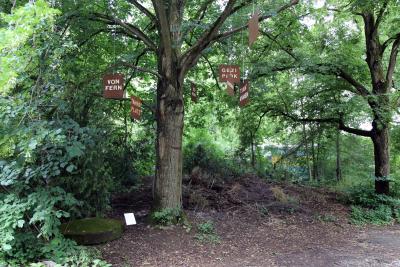
Works of art in public on the site of the former Forced Labor Camp
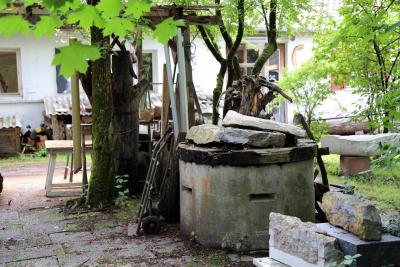
A pillbox
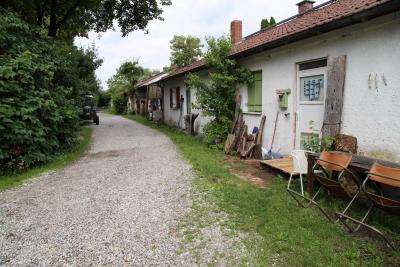
An artist's house in a former barrack
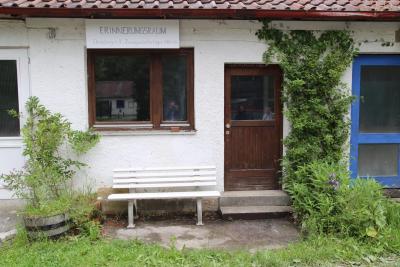
Memorial room, which was created by the artists
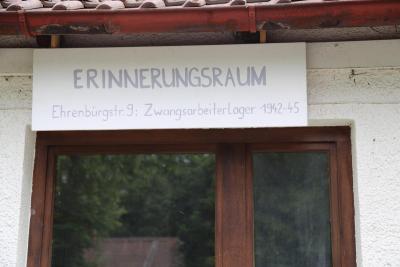
Memorial room, which was created by the artists
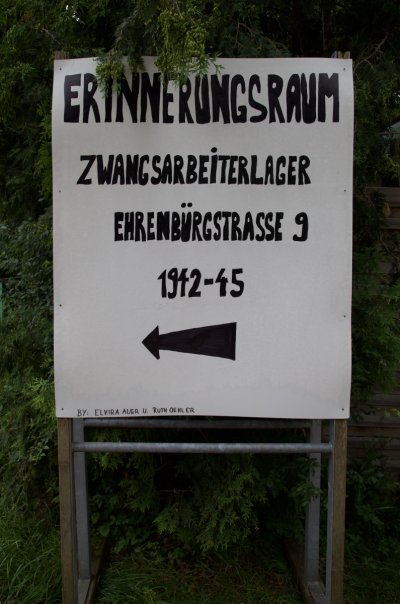
Signpost to the memorial room
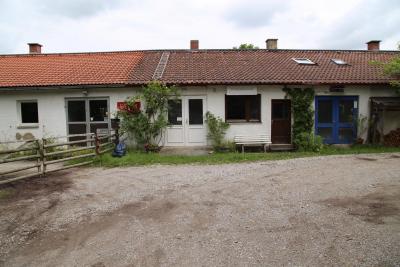
The former barracks with the memorial room
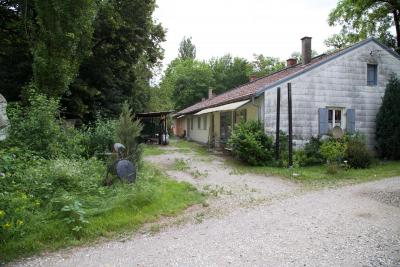
One of the baracks of former Forced Labor Camp Neuaubing
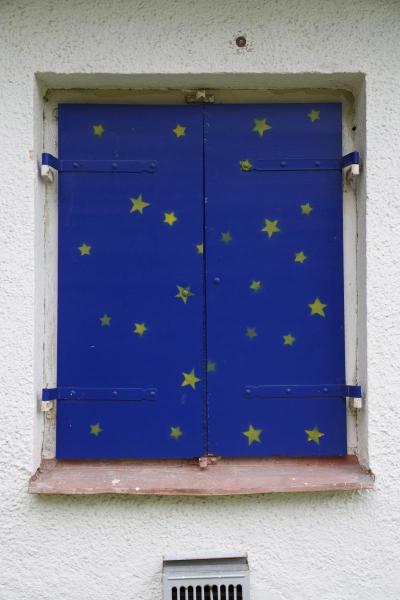
Artistically designed shutters at one of the artists' houses
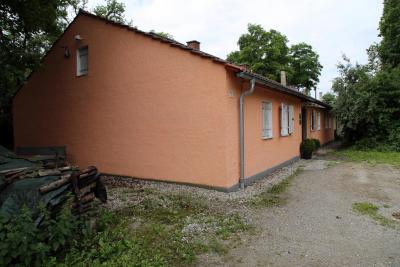
Socio-cultural mixed use
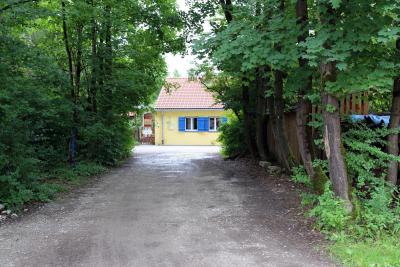
Socio-cultural mixed use
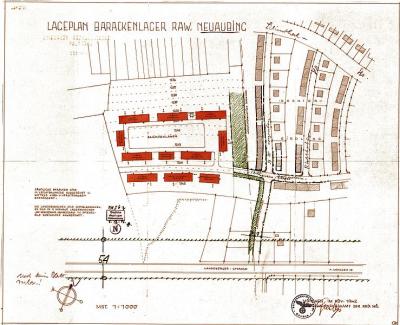
Site map of the barrack camp of the Reichsbahn in Neuaubing, planning November 1942
Audioguide: Teil 1 | Einführung
-
Audioguide: Teil 2 | Deportation aus Osteuropa
-
Audioguide: Teil 3 | Zwangsarbeit im Nationalsozialismus
-
Audioguide: Teil 4 | Ankunft im Lager
-
Audioguide: Teil 5 | Zwangsarbeit in München
-
Audioguide: Teil 6 | Zwangsarbeiterlager Neuaubing – Eine Zeitreise
-
Audioguide: Teil 7 | Zwangsarbeiterlager Neuaubing – Der Alltag
-
Audioguide: Teil 8 | Zwangsarbeiterlager Neuaubing – Das Lagerpersonal
-
Audioguide: Teil 9 | Arbeit im Reichbahn-Ausbesserungswerk Neuaubing
-
Audioguide: Teil 10 | Zwangsarbeiterlager Neuaubing – Das Kriegsende
-
Audioguide: Teil 11 | Iwan Hont – Sein Leben nach der Befreiung
-
Audioguide: Teil 12 | Das ehemalige Zwangsarbeiterlager als Erinnerungsort