Saving them from being forgotten. The Altglienicke Cemetery in Berlin
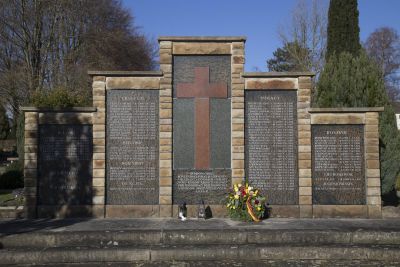
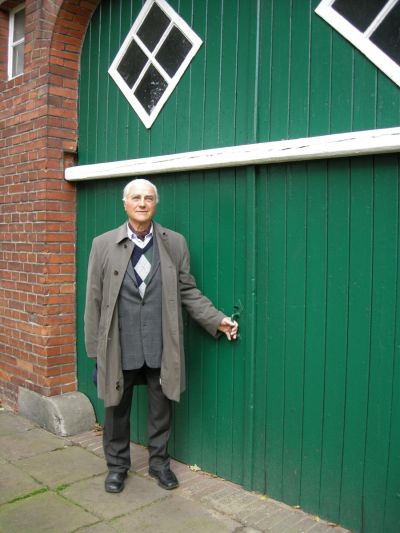
But the tide began to turn 15 years ago when Klaus Leutner, a retired railway engineer, revealed the secret of the concealed burial grounds along the cemetery wall where, until recently, there had still been an unauthorised rubbish tip: paper, dried up wreaths and flowers were strewn around, and in autumn leaves rotted on the ground. Whilst an unassuming concrete memorial stone had shown that this was the burial place of “anti-fascist fighters” since the 1950s, nobody actually knew anything about it.
Klaus Leutner stated: “Between 1940 and 1943, 1,370 urns were buried there, including 80 urns of those executed at Plötzensee prison.”
Today we know more: we believe that they were opponents of the Nazi regime, victims of euthanasia, and concentration camp prisoners from Buchenwald, Dachau and Sachsenhausen...
But what is particularly important for us Poles are the 430 countrymen who found their last resting place here. After years of painstaking work, much proofing of spellings, including those of the Polish names, the list was finalised by Paweł Woźniak, an active member of the Polish Catholic Mission. It contains sober birth and death dates of the victims, and sometimes information about the profession they carried out, as well as where they came from.
So little, and yet so much...
Amongst the dead are a baker, a carpenter and a locksmith, astonishingly many from the working class; young people, murdered in their twenties. All of those that I randomly checked came from the heartlands of the Second Polish Republic. Why they were arrested and, more importantly, why they were deported to Berlin and murdered there or in Sachsenhausen remains a mystery. Who were they that Reinhard Heydrich and his people were even interested in them? We will never know. Or are there perhaps some traces of their destinies after September 1939 in the chronicles of the towns and villages from which they came?
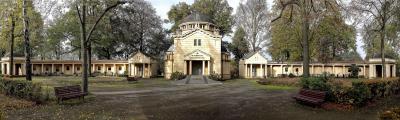
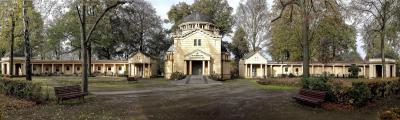
Friedhof Altglienicke in Berlin
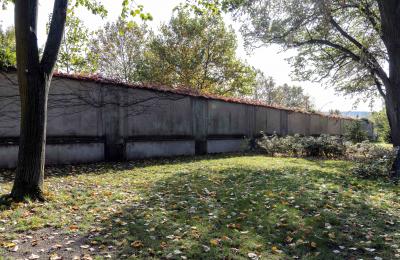
Das Urnenquartier
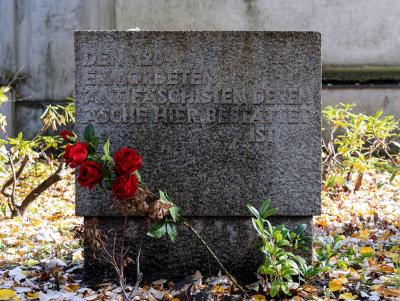
Gedenkstein aus den 50er Jahren des 20. Jahrhunderts
Die Friedhofsmauer. Links der Urnenbereich.
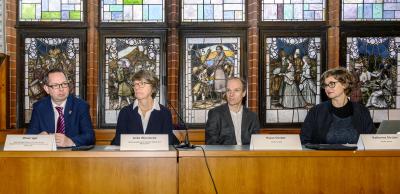
Vorstellung des Projekts im Rathaus Köpenick
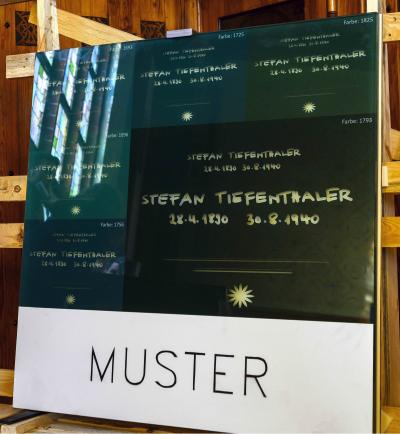
Muster der Glastafeln
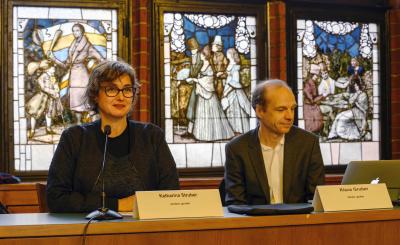
Autoren des Projekts
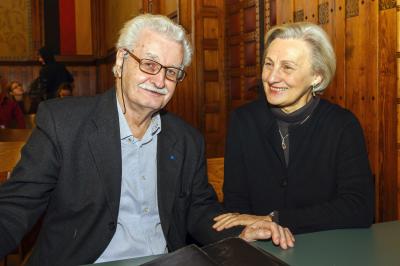
Klaus Leutner mit Gattin Alina
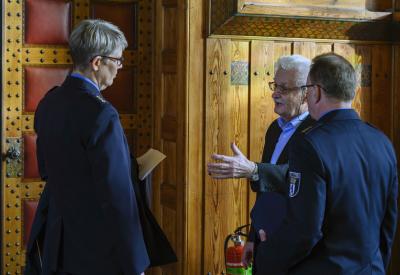
Klaus Leutner stellt den Beamten der Berliner Polizei das Projekt vor
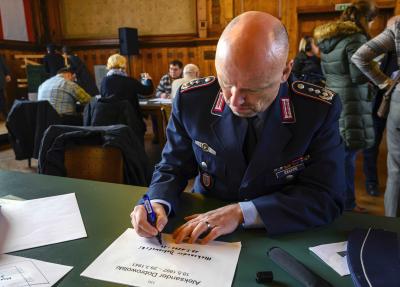
Oberst i. G. Werner Knappe
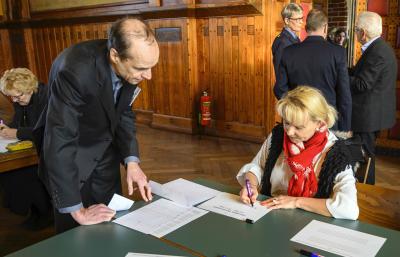
Klaus Gruber und Daniela Pietruszka
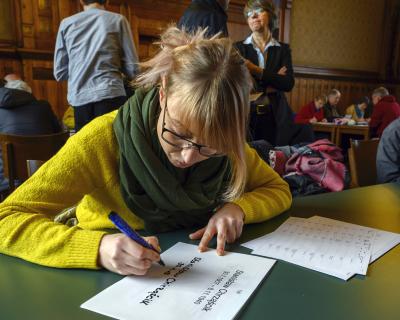
Charlene Kretschmann
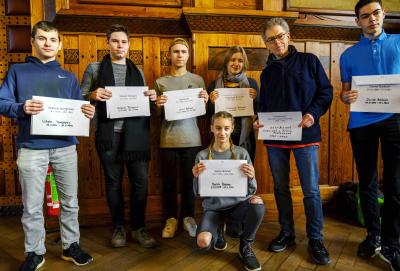
Lehrer Günter Thompl mit Schülern
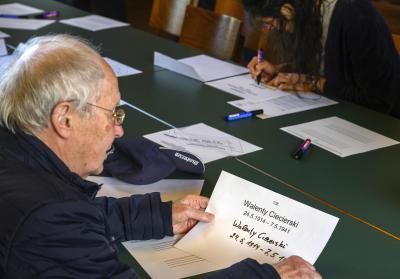
Überprüfung der Schreibweise des Namens des ermordeten Walenty Ciecierski
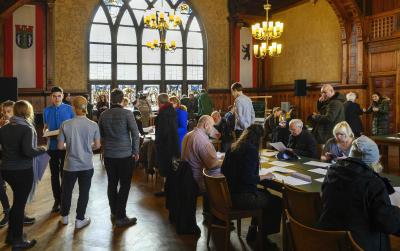
Rathaussaal Köpenick