Józef Piłsudski in German prisons

Danzig/Gdańsk, 23rd to 29th July 1917
Józef Piłsudski and his Chief of Staff, Colonel Kazimierz Sosnkowski, were arrested in Warsaw on the morning of 22nd July 1917. At the time Poland's relations with Germany had been poor for some time. The so-called “oath crisis” and the internment of the soldiers from the first and third brigades of the Polish legions had taken place barely two weeks before the arrest. Governor General Hans von Beseler informed the then Provisional Council of State (Tymczasowa Rada Stanu) of the reasons for Pilsudski's arrest. The German leadership had learned of the change in attitude of the Polish Military Organization (Polska Organizacja Wojskowa, “POW”), under Piłsudski's leadership. He had thus become a major threat to peace in the country and to the military security of allied troops fighting on the other side of enemy lines. After the outbreak of the February revolution in Russia it was generally accepted in Germany that this was no longer an opportune moment to create a Polish army. The Eastern Front had ceased to be a potential threat. The rapid end of the war with Russia seemed to be within reach, so that there were no further benefits to be gained from Poland's continued support.
“The situation requires quick action,” Beseler stated, “the immediate neutralization of both persons (Piłsudski and Sosnkowski). (...) In view of this situation, the internment of these persons must be regarded as an enforceable order...”
At the same time arrests of POW members began, and this paralysed the organisation's activities for several months.
Piłsudski and Sosnkowski were first escorted to the Vienna Railway Station (Dworzec Wiedeński) in Warsaw where they were put under a constant guard. The later Marshal of Poland wore a uniform of the Polish legion; Sosnkowski was in plain clothes. Both were placed in a second class compartment. The destination for the transfer was the city of Gdansk, which for reasons unknown was reached by a detour via Poznan. After a brief stop in the capital of Greater Poland, the journey continued. The prisoners arrived in Gdansk on the night of 23rd July where they were sent for remand in the penal prison (the Royal Courthouse Prison in Gdansk) at Schiesstange 12 (today: ul. Kurkowa).
The Polish prison guard on duty at the time, Jan Bastian, recalled that
“the Marshal was polite but silent”, and that the Germans treated him like a “general”.
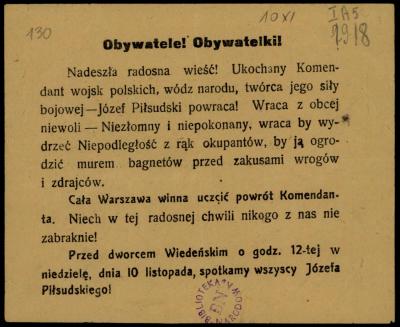
Flyer: Piłsudski’s Return to Warsaw, 1918
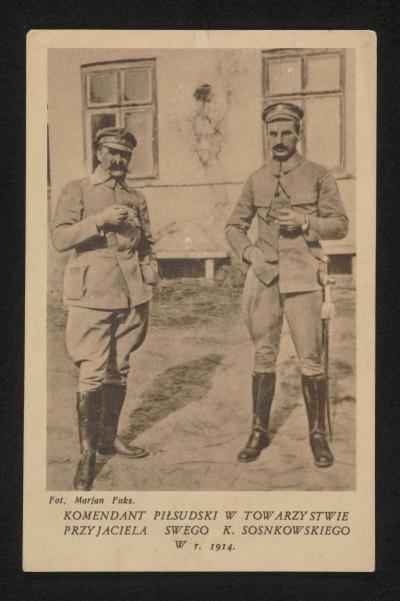
Józef Piłsudski and Kazimierz Sosnkowski, 1914
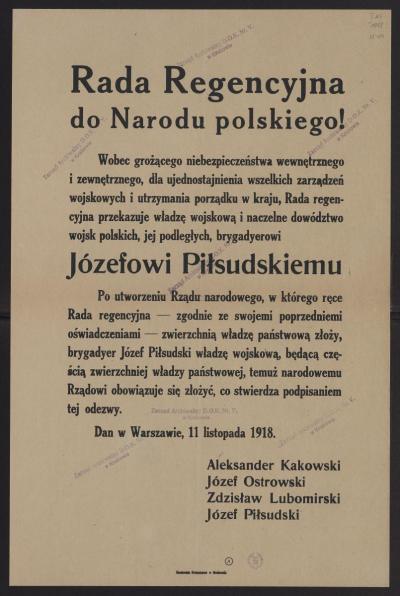
Flyer: The Regency Council hands Józef Piłsudski the command of the Polish armed forces, 1918
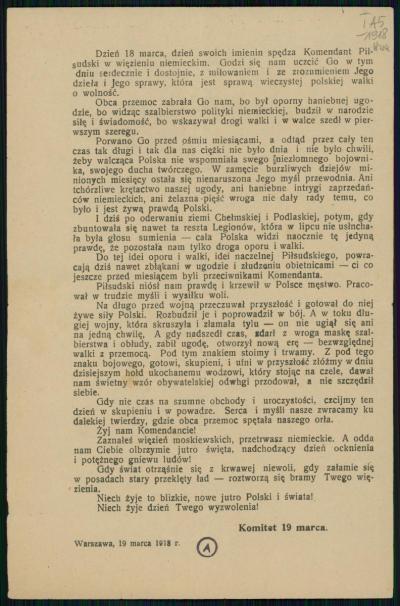
Flyer: Commander Piłsudski spends his “name day” in a German prison, 1918
![Flyer to protest against the illegal internment of Piłsudski, 1917 - Flyer: On Sunday 29th of this month we will gather in front of the Adam Mickiewicz Monument at 11 am to protest against the illegal internment of Commander Józef Piłsudski and Chief of Staff of the First Brigade, Lieutenant Colonel [Kazimierz]. Sosnkowski](/sites/default/files/styles/width_100_tiles/public/assets/images/obywatele-obywatelki-inc-dnia-29-bm-w-niedziele-zbieramy-sie-o-godz-11-rano-na-0_kopie.jpg?itok=hxoxe_Lq "Flyer to protest against the illegal internment of Piłsudski, 1917")
Flyer to protest against the illegal internment of Piłsudski, 1917
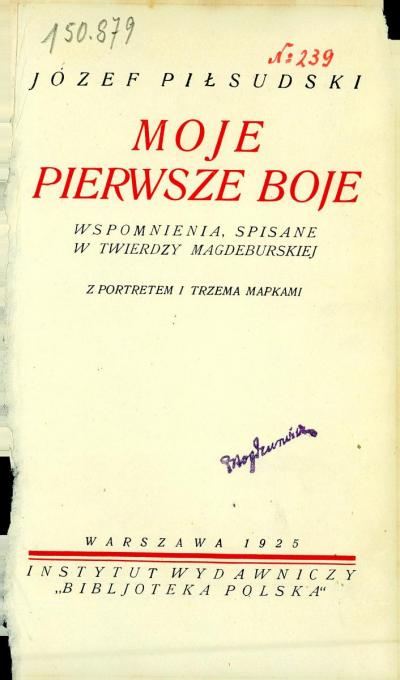
Title page of the memoirs of Józef Piłsudski, 1925
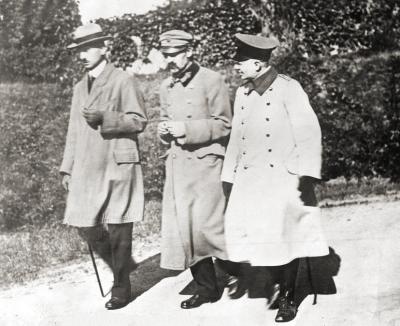
Józef Piłsudski and Sosnkowski during their internment in the Magdeburg Fortress, 1918
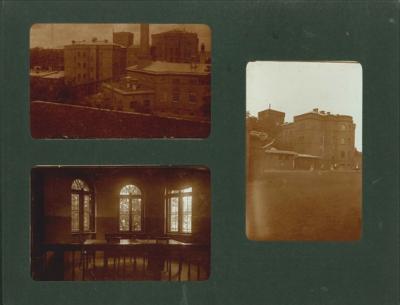
The Spandau Fortress Prison
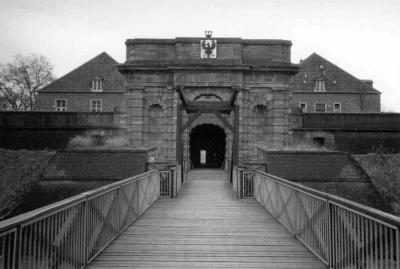
The main gate of the Citadel in Wesel
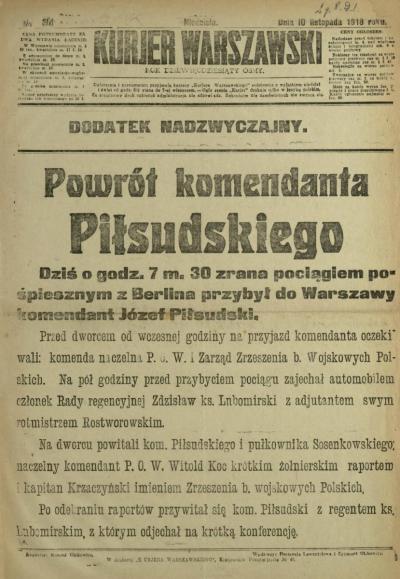
Title page of the “Kurier Warszawski”, 10th November 1918
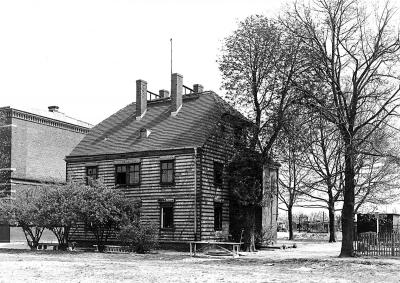
The House in the Magdeburg Fortress
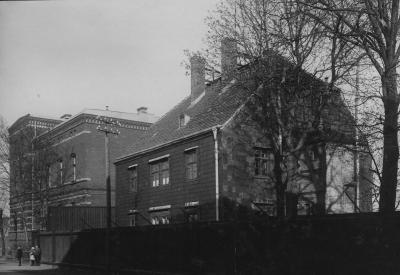
The House in the Magdeburg Fortress
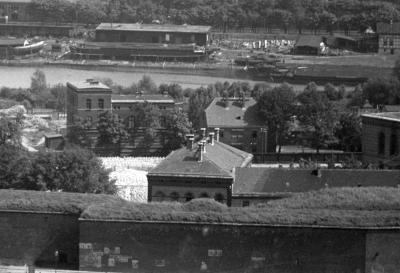
A partial view of the Magdeburg Fortress
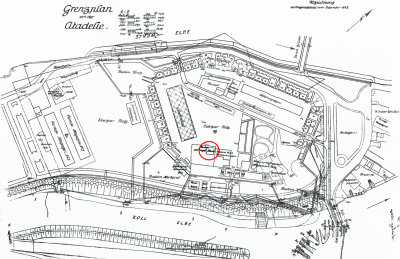
A plan of the Magdeburg Fortress
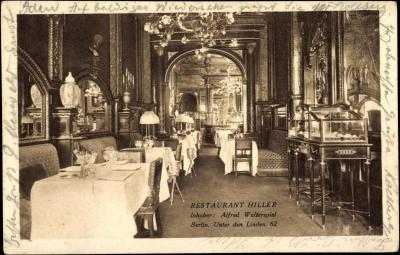
Restaurant Hiller in Berlin
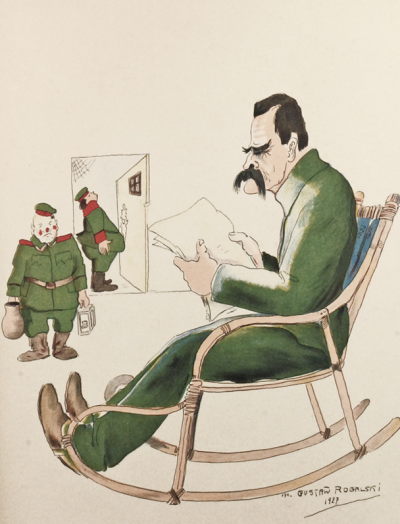
A Caricature of Marshal Józef Piłsudski, 1927
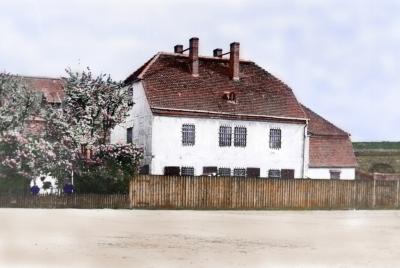
The House in the Magdeburg Fortress
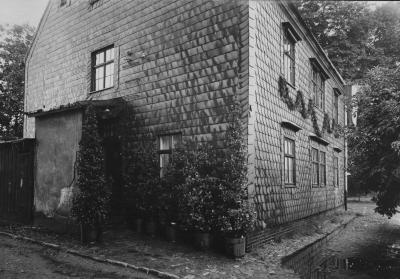
The House in the Magdeburg Fortress
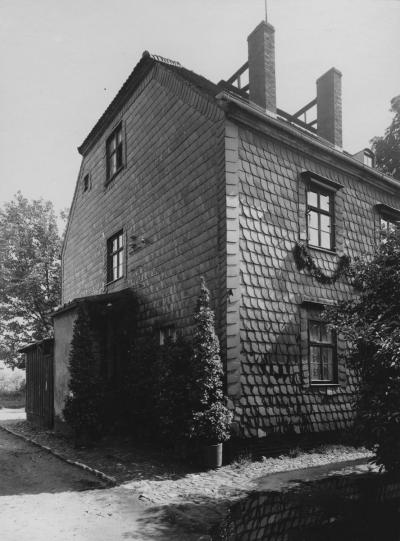
The House in the Magdeburg Fortress
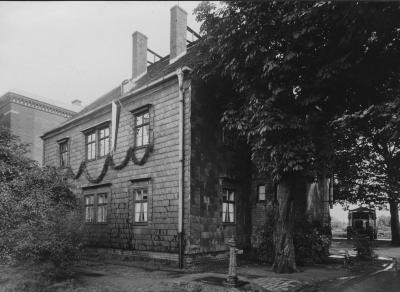
The House in the Magdeburg Fortress
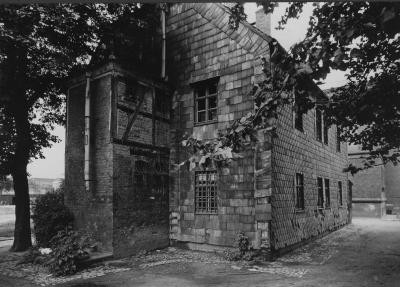
The House in the Magdeburg Fortress
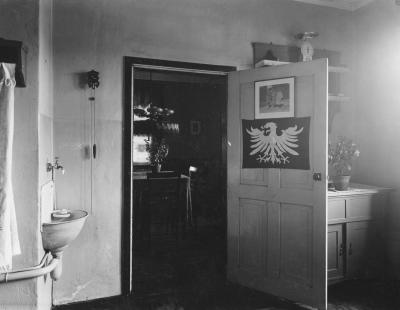
The inside of the house in Magdeburg
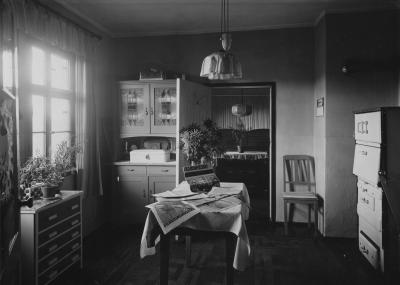
The inside of the house in Magdeburg
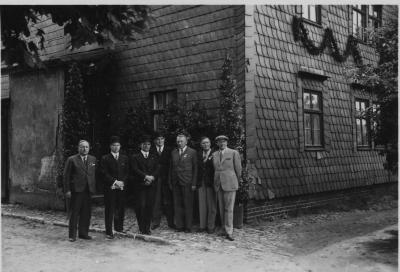
Polish guests at the house in the Magdeburg Fortress, where Józef Piłsudski was interned.
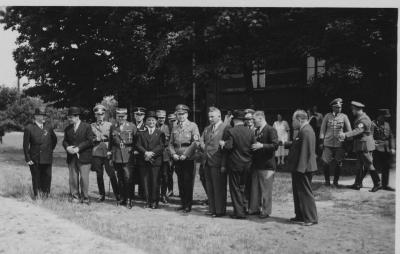
Polish guests at the house in the Magdeburg Fortress, where Józef Piłsudski was interned.
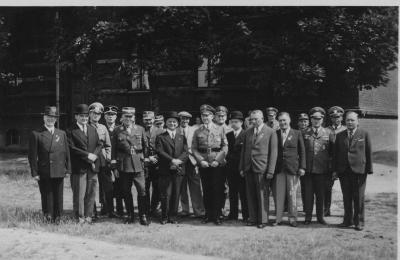
Polish guests at the house in Magdeburg where Józef Piłsudski was interned.
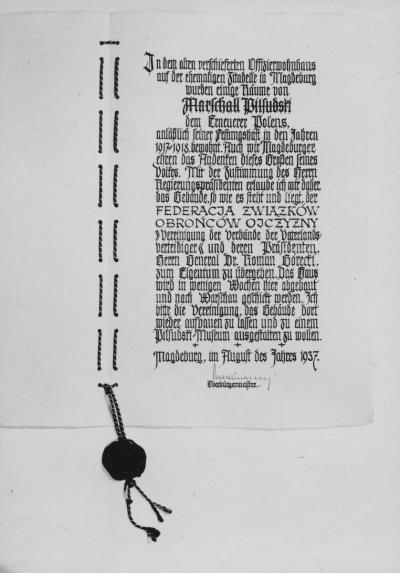
Certificate of delivery of the Piłsudski House, 1937
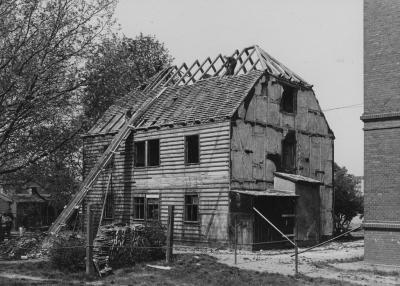
Demolition of the house where Piłsudski was interned
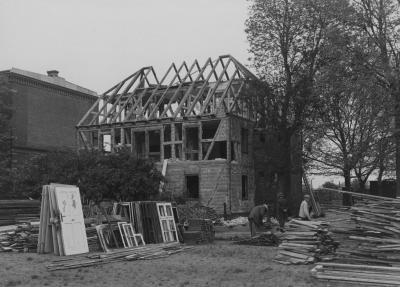
Demolition of the house where Józef Piłsudski was interned
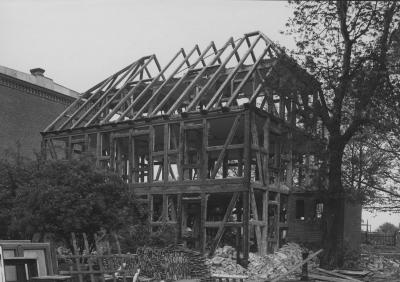
Demolition of the house where Józef Piłsudski was interned
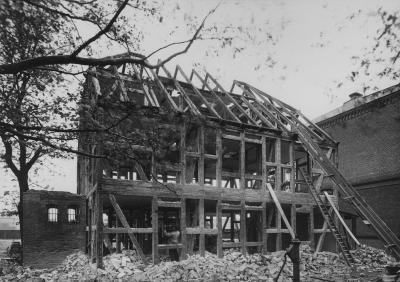
Demolition of the house where Józef Piłsudski was interned
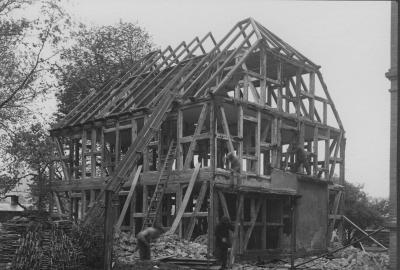
Abriss des Piłsudski-Hauses in Magdeburg
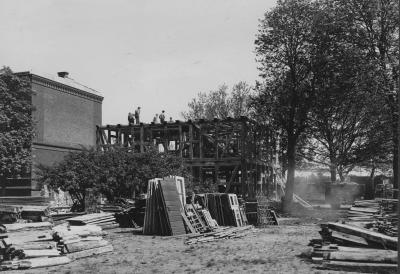
Demolition of the house where Józef Piłsudski was interned
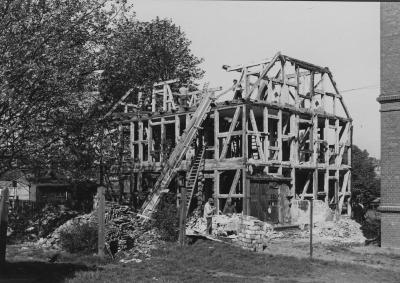
Demolition of the house where Józef Piłsudski was interned
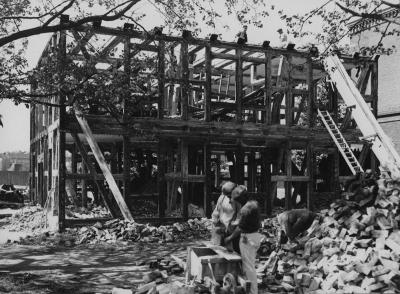
Demolition of the house where Józef Piłsudski was interned
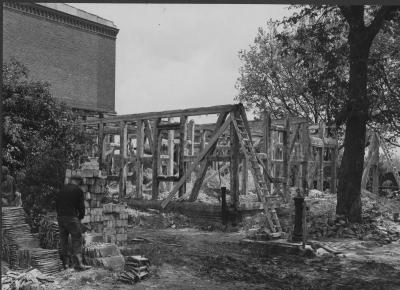
Demolition of the house where Józef Piłsudski was interned

Demolition of the house where Józef Piłsudski was interned
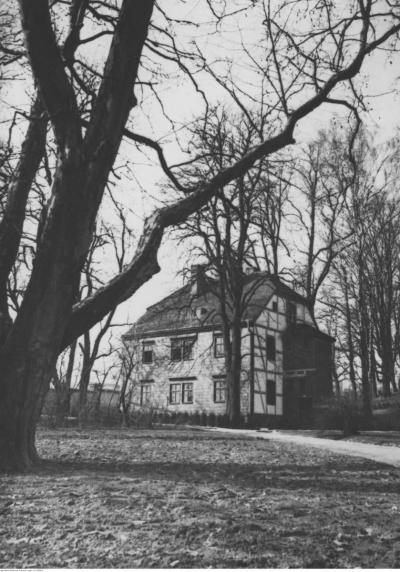
The Magdeburg House in the Belvedere Park in Warsaw, 1939
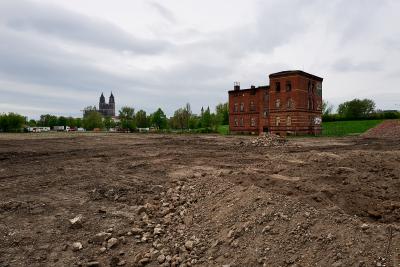
Today's terrain of the Fortress in Magdeburg
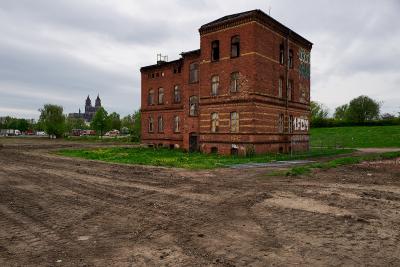
Today's terrain of the Fortress in Magdeburg
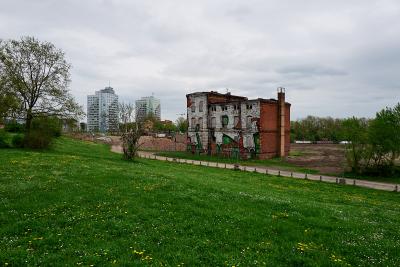
Today's terrain of the Fortress in Magdeburg
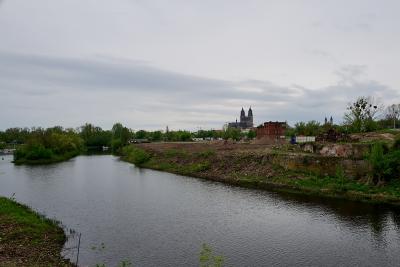
Today's terrain of the Fortress in Magdeburg
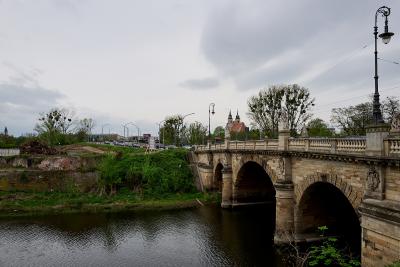
Today's terrain of the Fortress in Magdeburg
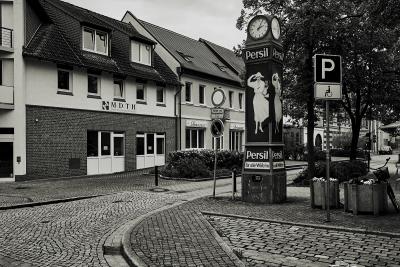
On the way from Magdeburg to Berlin the travelers made a short break in the city Genthin for a breakfast.
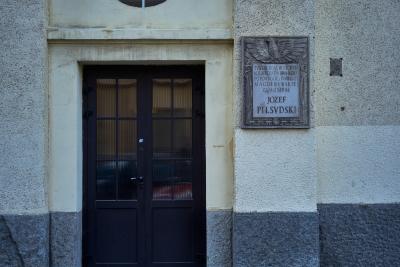
Gedenktafel an der ersten Wohnstätte in Warschau
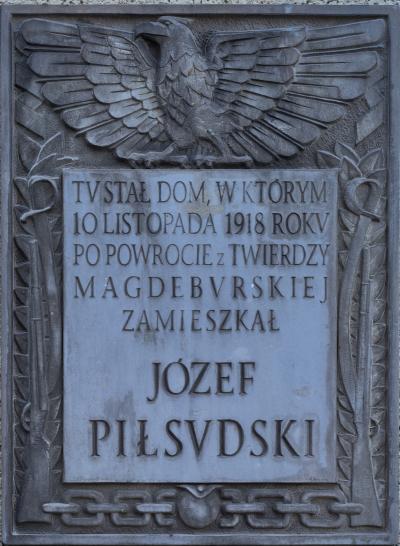
Gedenktafel an der ersten Wohnstätte in Warschau
Józef Piłsudski - Hörspiel von "COSMO Radio po polsku" auf Deutsch
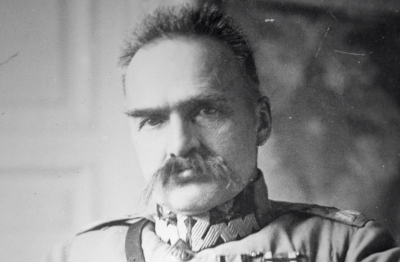
„Drei Tage im November. Józef Piłsudski und die polnische Unabhängigkeit 1918“