




































Moments of what we call history and moments of what we call memory
Mediathek Sorted
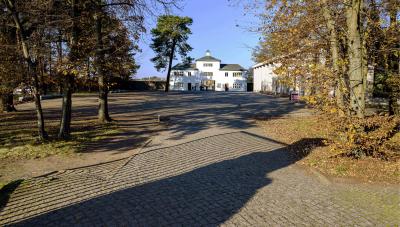
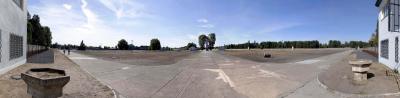
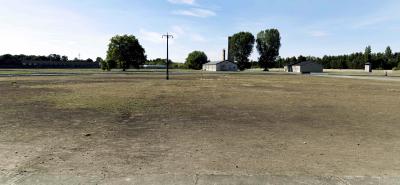
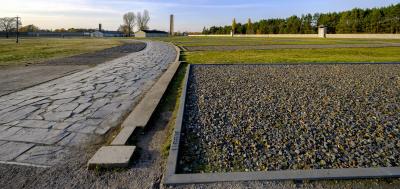
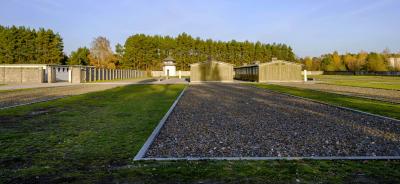

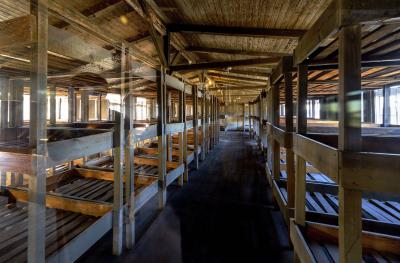
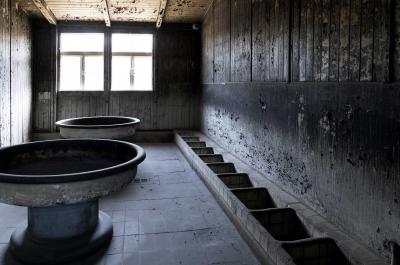
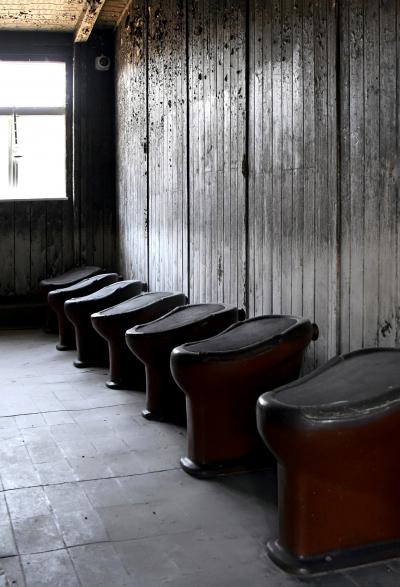
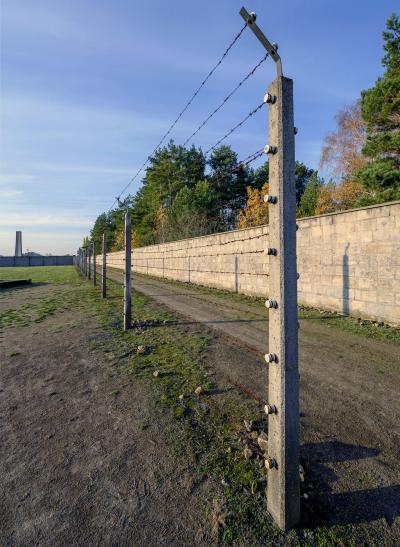
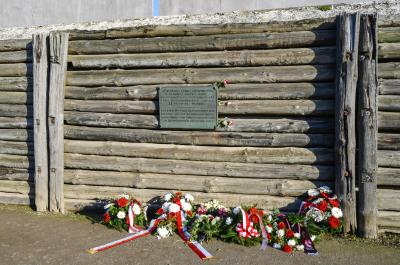
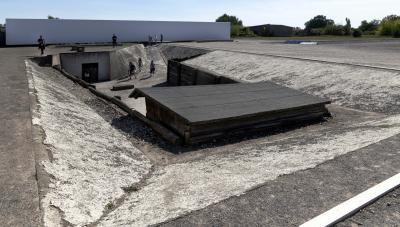
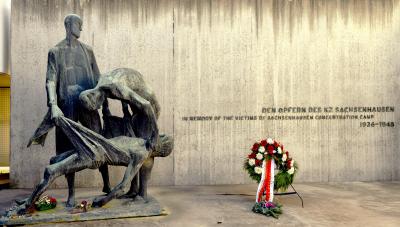
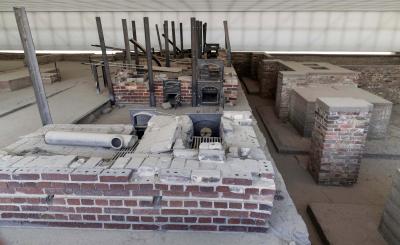
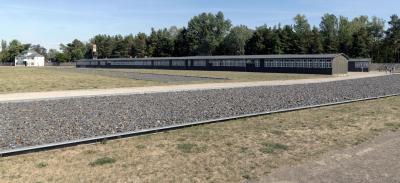
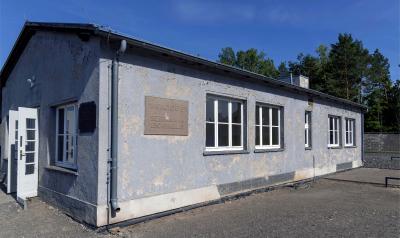

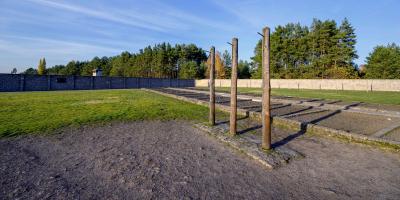
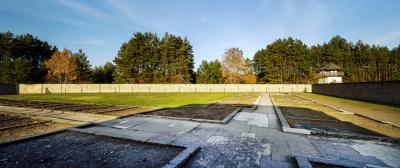
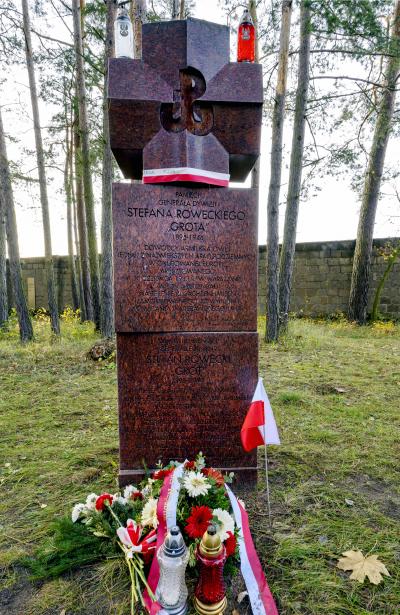
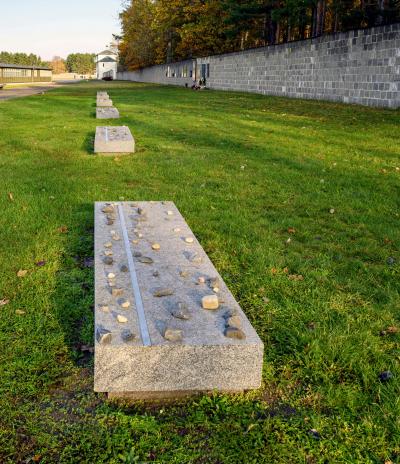
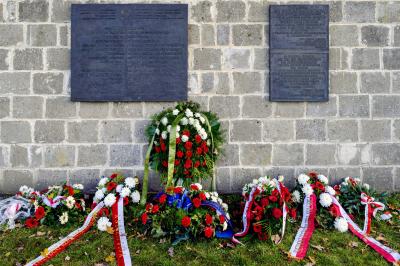
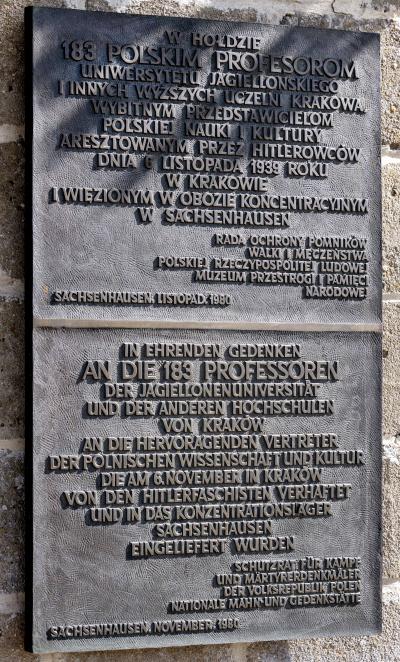
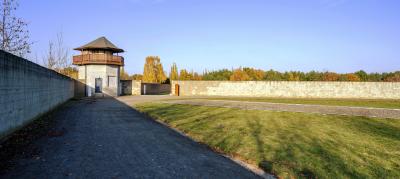


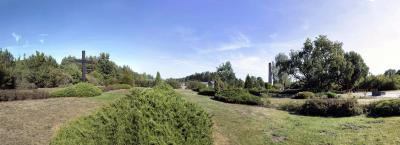
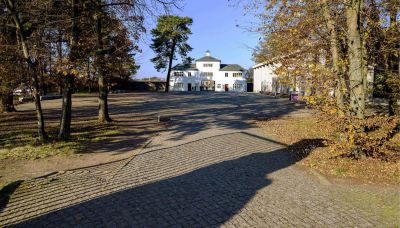
Why do people come here? What are they looking for? What do they take away with them? Perhaps a lasting impression? Theoretical knowledge? Deep-rooted experiences? Perhaps a feeling of guilt? A feeling of injustice? But what guilt or what injustice are we referring to here if they were not involved in the past horrors of this place? Do they then take anything lasting with them at all? We just do not know... And still they come here. The visitor statistics are impressive, as are the ratings on the travel portals. On Google Maps the average rating is 4.6 out of 5 stars, on Trip Advisor 4.8 out of 5, with the number of reviews stretching into the thousands. Added to this are hundreds of comments, but they do not provide any answers either. They always show the same phrases repeated like a mantra: a moving, deeply moving, painful experience... So it is a hard emotional experience.
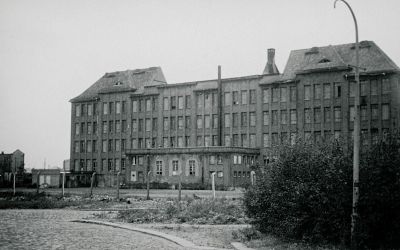
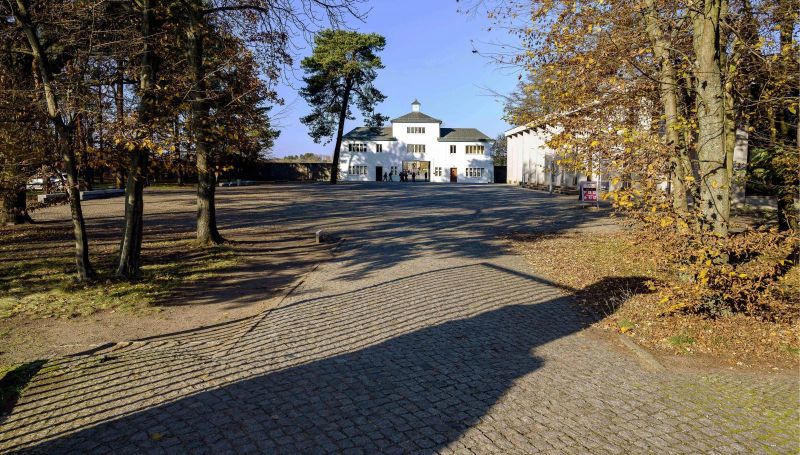
These difficult feelings are probably the result of being confronted with the objects in the exhibition and with the explanations provided by the exhibition guides, whose competence and profound knowledge are underlined by the visitors, who then seamlessly move on to the practical information about suitable clothing and footwear, umbrellas and provisions. Their conclusion is generally one of sympathy for the place which is well worth a visit, or more precisely, which you simply have to have seen. But why? To experience some part of the difficult processing? No, it is alien to me to ignore experiences and emotions but … in the space which was captured objectively by the photographer, it is not quite so obvious. As I already mentioned, the observer needs a certain amount of prior knowledge and a lot of imagination. But sometimes he comes to the following banal conclusion: “This place shows how thin the layer of civilisation is that covers the primitive basic instincts of mankind”. This does sound a little better but the sceptic in me still has doubts: Is this supposed to be the conclusion that we are to draw about this place? What would the consequences of this then be? Defence of civilisation? It then begs the question what we actually want to defend? With what means? Against whom? Definitely against the world of basic instincts. And where is this world supposed to be? In us or in others? And if it is in others, what criterion of otherness is supposed to apply here? After all, even the Nazis defended civilisation, in the way that they understood it, and they defended it before those they considered to be a danger to them by using whatever means they considered necessary. Today there is consensus that in all these three points, they started with false assumptions, then got caught up in internal contradictions and threw themselves into crime. So just where do the boundaries of acceptable new interpretations lie? And how are we supposed to know that our new insights would be less wrong and would not lead us into crime or to abuse at least? And last but not least: Does the memory of the camp experiences that we create have any influence on the metonymy of a totalitarian system with all its consequences?
For me, the memory I write about is a dynamic complex made up of perceptions of the past whose role it is to organise current and past experience into something living and significant. I also write about the constructed memory because the perceptions of the past, which are based on sources and reports that are filtered and interpreted based on knowledge acquired at an earlier date, and the human’s value system that deals with these are not authentic and, what’s more, are unable to be authentic. Sachsenhausen extermination camp as a typical source of historical understanding can, without doubt, provoke various interpretations and defer to alternative forms of remembrance which allow various conclusions, positions and sensibilities. With a lack of reliable data, at this juncture I can only outline the possible motives schematically.
Primarily we have the tribal memory which is organised around collective reified categories which are, in turn, broken down into simple oppositions and logics of symbolic identities.