


































Janina Szarek and the Teatr Studio am Salzufer – Tadeusz Różewicz Bühne Berlin
Mediathek Sorted
-
-
-
-

-
-
-
-
-
-
-
-
-
-
-
-
-
-
-
-
-
-

-
-
-
-
-
-
-
-
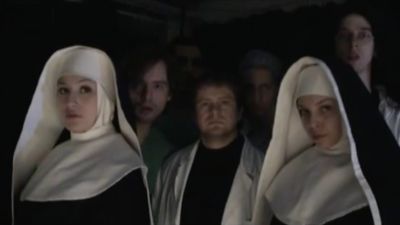
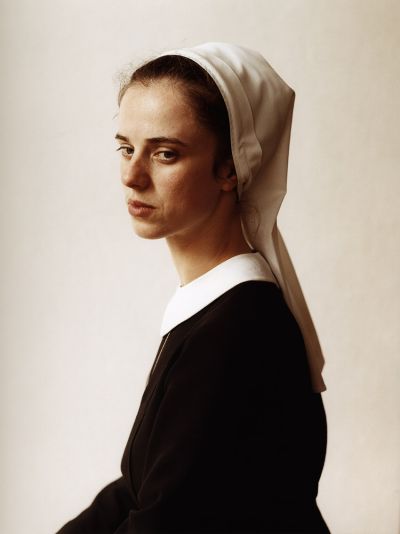
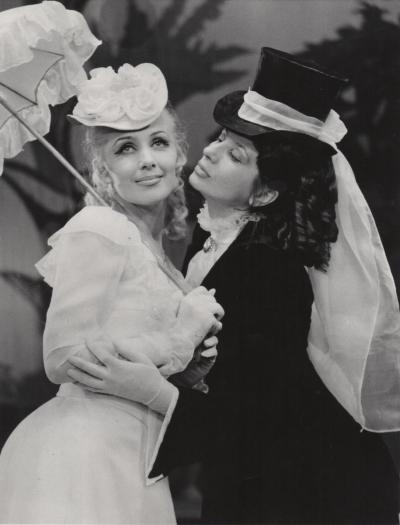
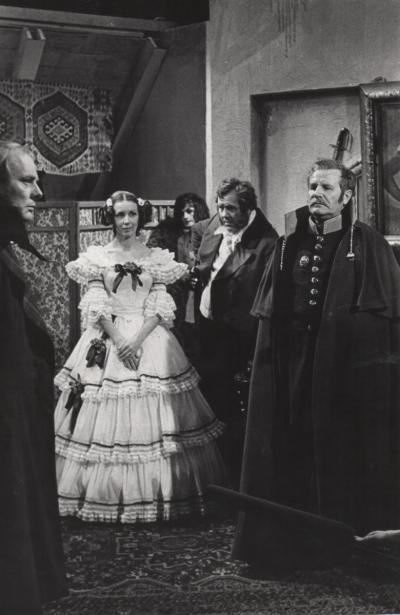
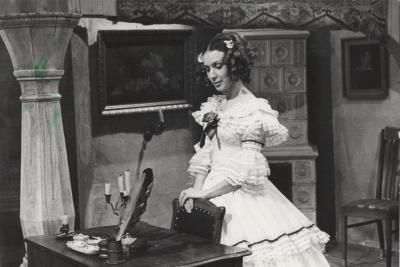
Film "The Madman and the Nun" - St. Ignacy Witkiewicz, Filmstudio Transform, Director: Janina Szarek
-
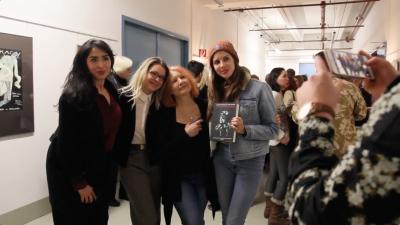
Jubileusz 16-lecia Szkoły Aktorskiej TRANSform oraz 14-lecia Teatru Studio
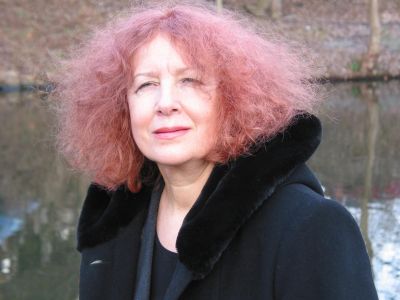
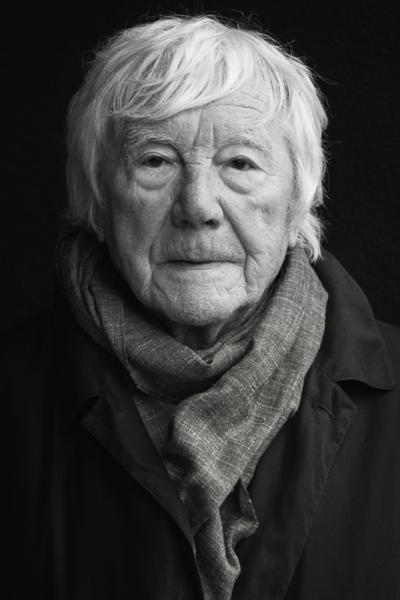
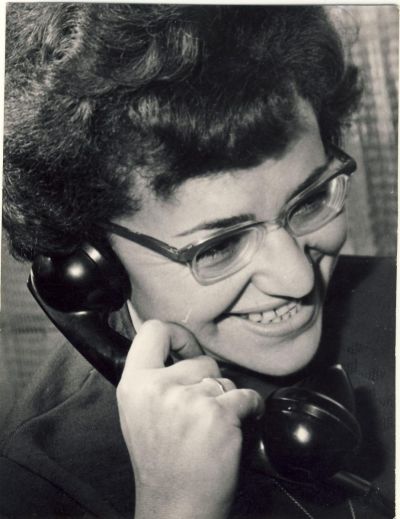
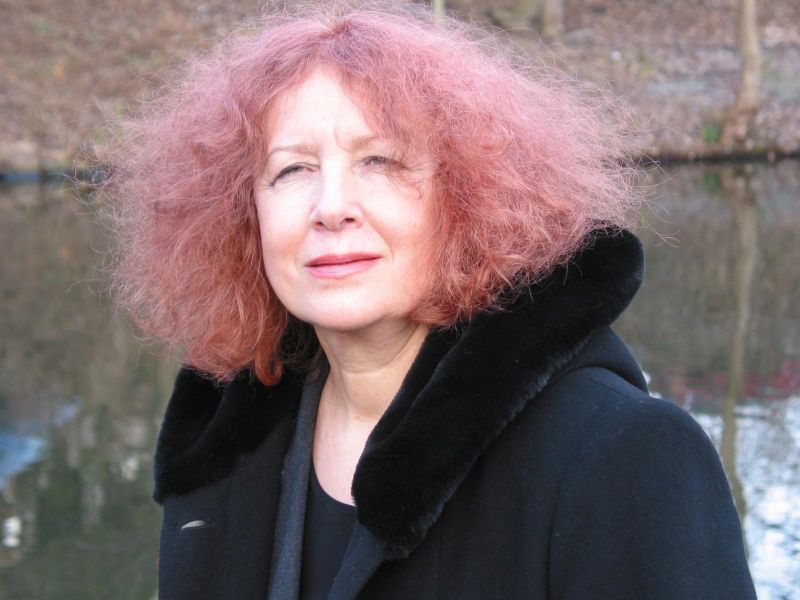
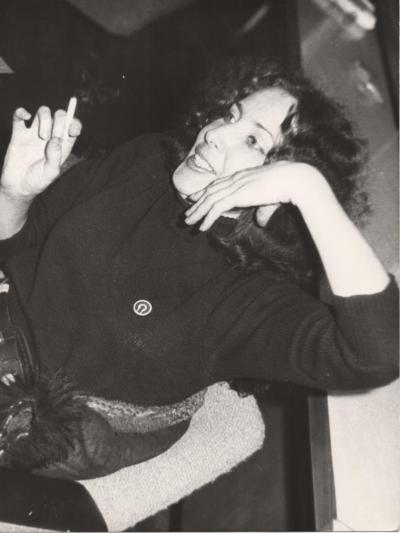
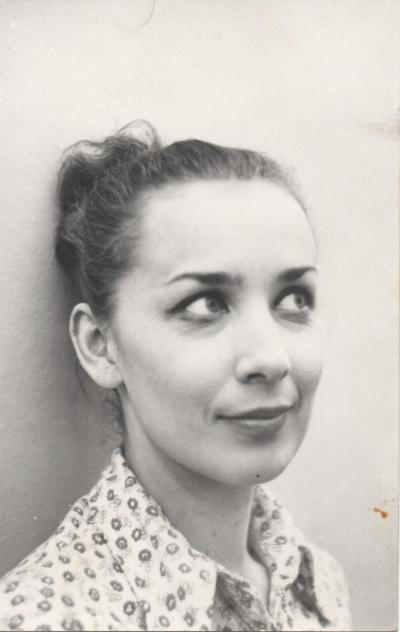
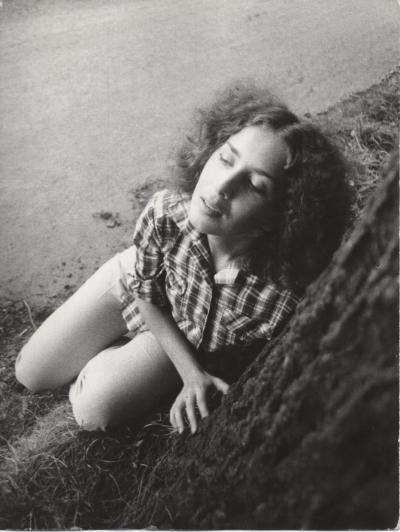
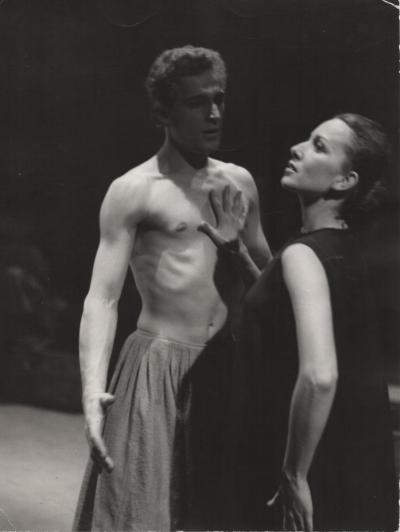
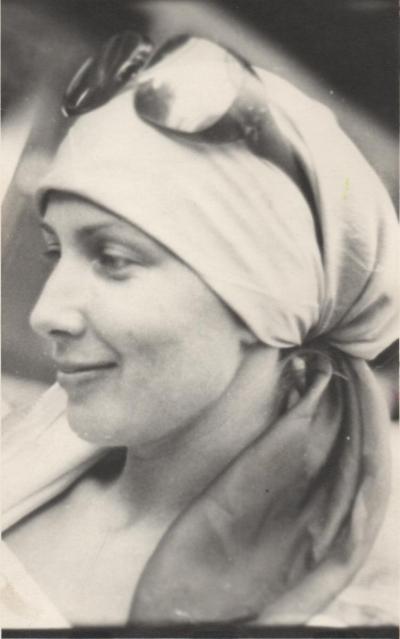
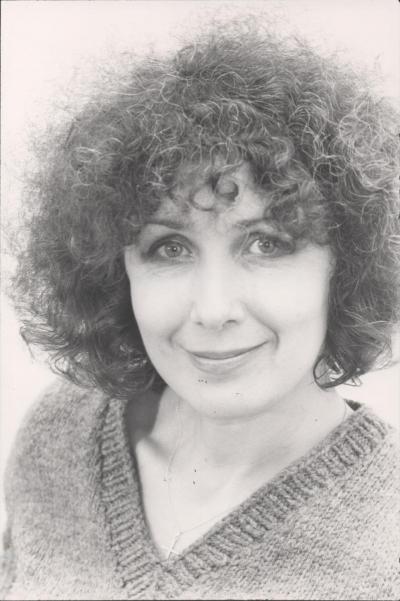
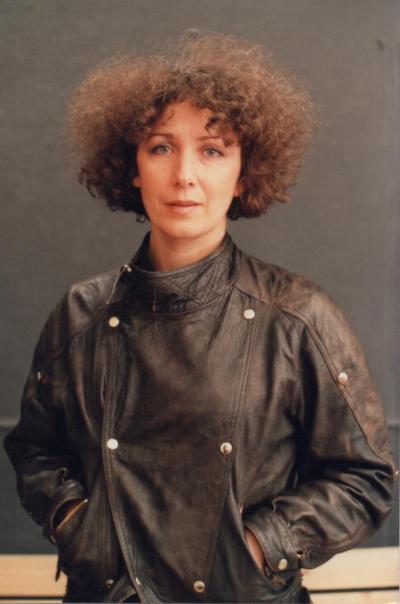
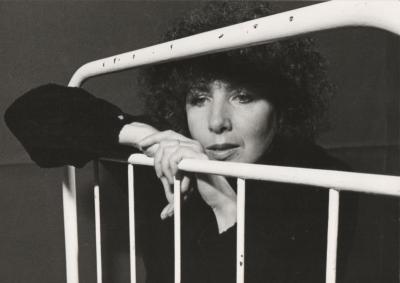
Janina Szarek was born on 24 June 1946 in Ruda Różaniecka, in the former Lwów Voivodeship. Her parents were in the Polish Home Army (Armia Krajowa); at the time, the Solska Forest (Puszcza Solska), in which her home town was located, was also a getaway for the soldiers from the Home Army who were being persecuted by the Communists. Before the Second World War, the region was a melting pot of culture in which Poles, Ukrainians and Jews had lived for centuries, alongside Austrians and Russians.
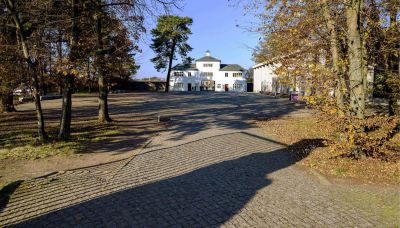
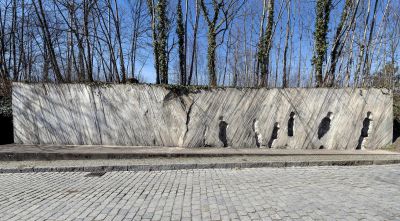
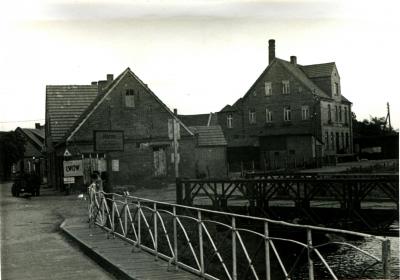
Janina Szarek spent her early childhood years in the village of Basznia Dolna. In September 1949, the family moved to Bełżec, ironically to a place where there had been a National Socialist extermination camp during the war in which, according to various estimates, almost half a million people, mostly Polish Jews, had been killed.
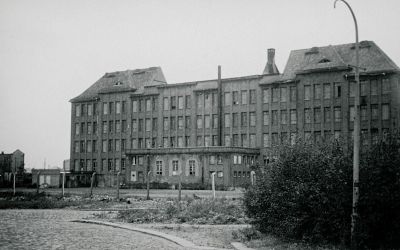
In Janina Szarek’s recollections, her home truly seemed a place of refuge: “Our apartment in Bełżec was on the enormous site of a distillery and was next to, or more accurately, connected to the distillery which dated back to Austrian times. The building had a number of secret nooks; it was old and had an eerie, surreal feel to it. As well as our apartment, there was another half-destroyed, abandoned apartment and a quite wonderful attic. The bizarre, empty apartment and the attic, which were both full of old furniture, objects and toys from the pre-war period, things which simply did not exist in the era of the People’s Republic of Poland, inspired childhood fantasy, gave it wings, and provided space for never-ending games, dreams and bright ideas. It was an unusual place in which, even at the age of four or five, magic and metaphysics were there to be discovered. The sensuality of the lush, half overgrown nature that surrounded us contributed the rest.”[1]
Little Janina’s childhood home, and her grandfather’s house even more so, were also places in which music was played and where there was access to literature. The evenings were spent reading out novels by Sienkiewicz, Żeromski and Kraszewski. From an early age, the young girl made her first attempts to show her family her acting talent, and the world of the theatre would accompany her throughout her childhood and youth. The choir solos, the writing of poems, the taking part in recitation competitions and her involvement in the school theatre were important experiences for her and reinforced her belief in a possible stage career. So gradually, the idea of going on to do theatre studies began to take root.
[1] Résumé for Janina Szarek’s dissertation: Recepcja sztuki Tadeusza Różewicza ‚Stara kobieta wysiaduje‘ w Niemczech. Kierunki interpretacji [Reception of the play “The Old Woman Broods” by Tadeusz Różewicz in Germany], Warsaw 2011.