
































Janina Szarek and the Teatr Studio am Salzufer – Tadeusz Różewicz Bühne Berlin
Mediathek Sorted

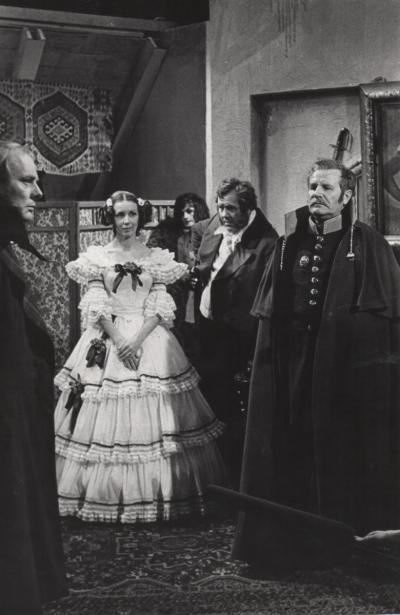
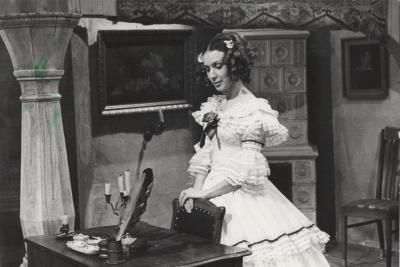

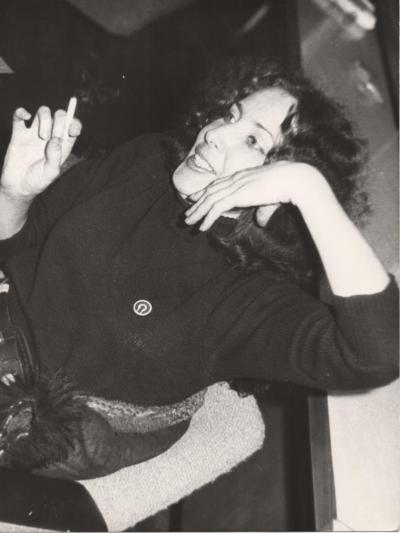
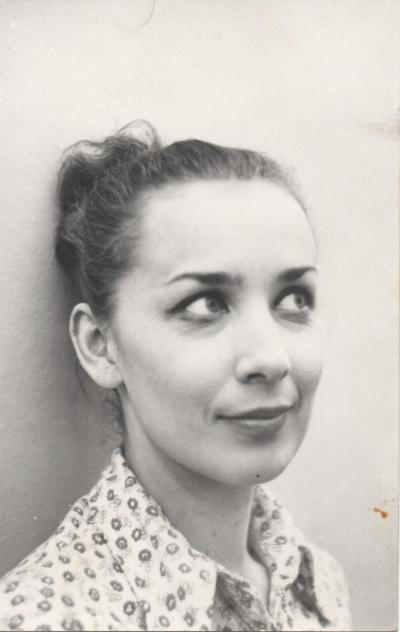
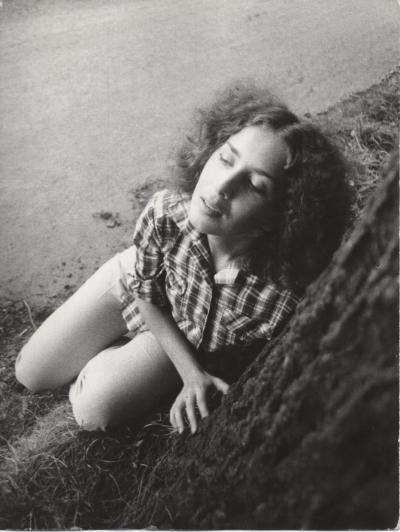
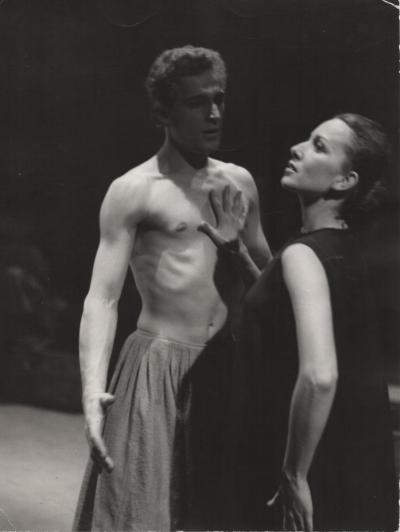
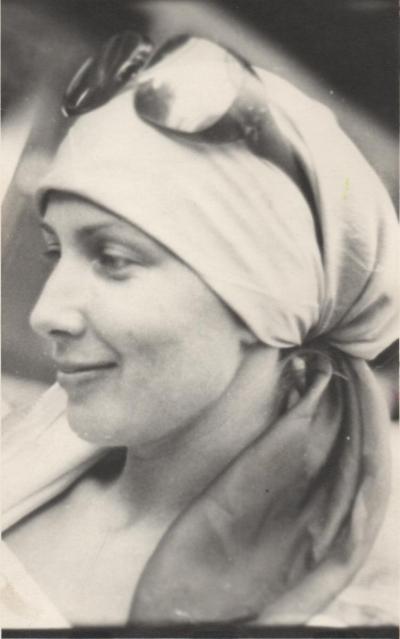
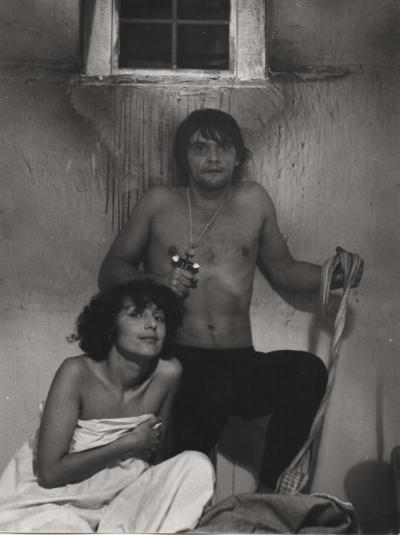

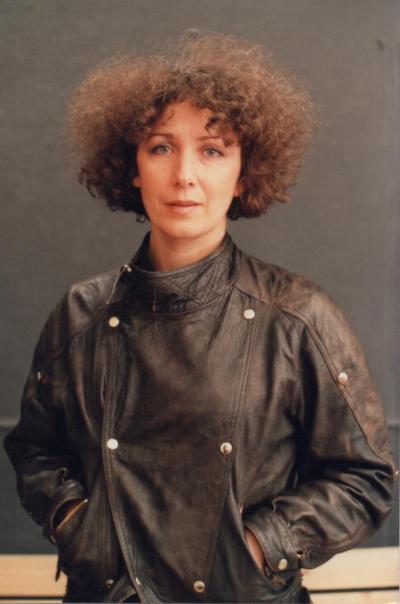
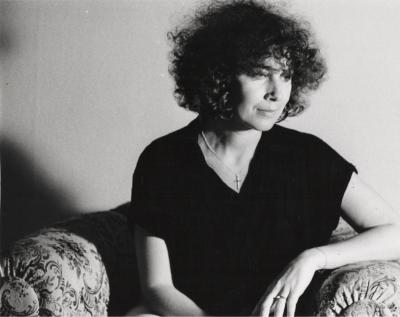



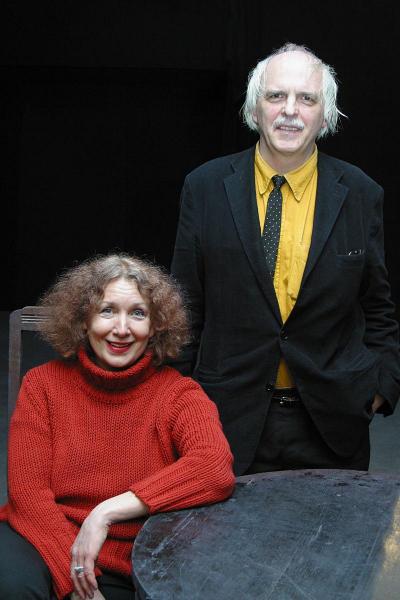
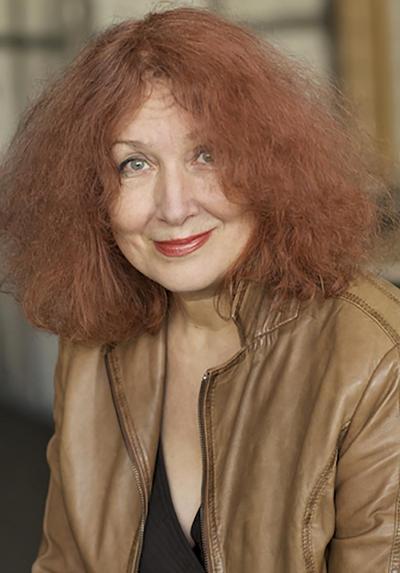
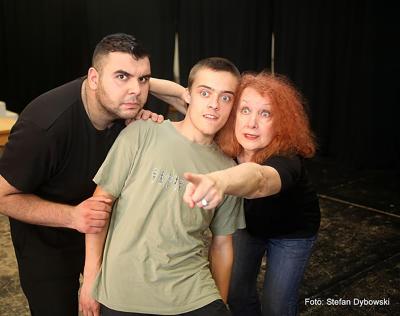
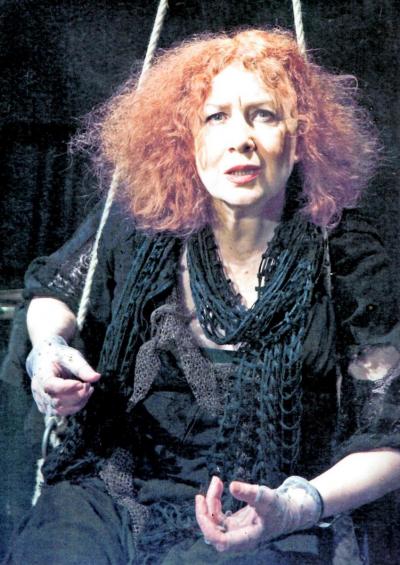

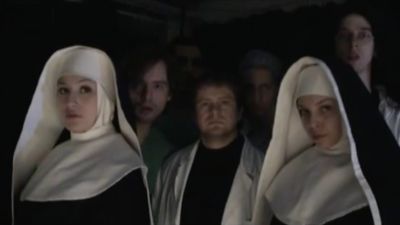
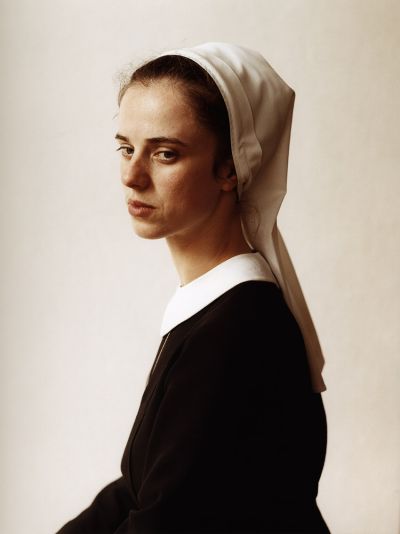
Film "The Madman and the Nun" - St. Ignacy Witkiewicz, Filmstudio Transform, Director: Janina Szarek
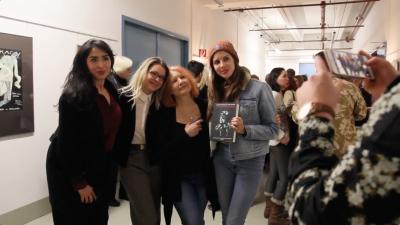
Jubileusz 16-lecia Szkoły Aktorskiej TRANSform oraz 14-lecia Teatru Studio
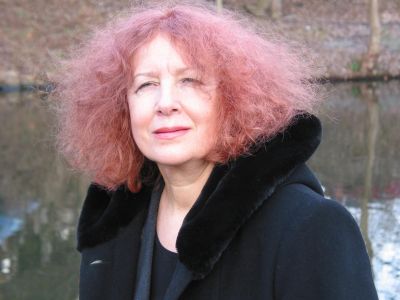
Leaving for Berlin
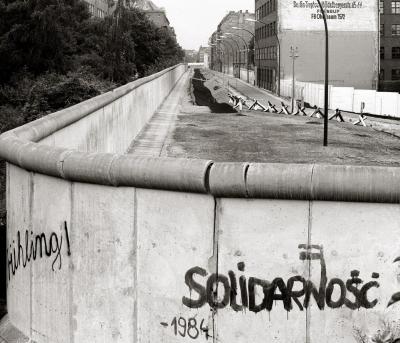
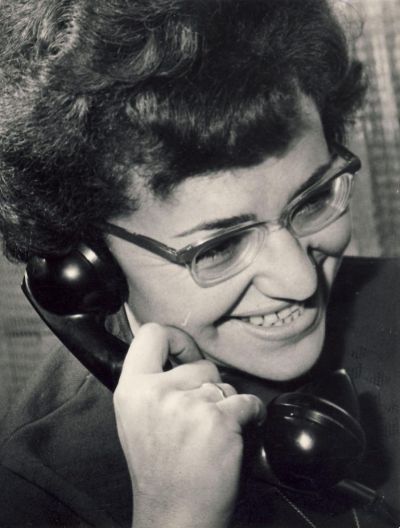
In June 1981, Janina Szarek travelled to West Berlin without actually wanting to stay there forever. But the city enticed her with its openness and modernity. The cultural life was so completely different to that in Communist Poland. Barely a month after her arrival, Szarek was given an official permit to stay for two years. She started to look for work in the theatre although her German was still not really good enough. In September 1981, she began working as a drama teacher with the Transformtheater that had only just been established by the director Henryk Baranowski. On 13 December 1981, a state of war was declared in Poland. Janina Szarek, for whom Berlin was only supposed to be a stopover, decided to stay in the city and involuntarily became an emigrant.
In the two years that followed, Janina Szarek devoted herself to her teaching role and she learnt German. She realised that in Berlin, in contrast to Poland, it is possible for a drama student to prepare for professional exams by taking private teaching units and courses. This realisation caused her to leave the Transformtheater in the winter of 1983 and, together with some students, create an association and a theatre ensemble called Studio – Gruppe 44. In this new framework, she shared her knowledge and her experience with young people who dreamt of being on the stage. Her students (the studio existed until 1992) sat admission exams before a state board to become actors or directors. Many of them have since had successful careers in the theatre.
However, despite her acknowledged abilities as an artist and as a teacher, the actress did not have the same rights in Berlin as her German colleagues from the profession. Each new commitment required various formalities for her to obtain a work permit. This situation only changed when, with the help of the Berlin Senate, her residence permit was extended by a clause which allowed her to work as an independent actress, director, teacher and theatre director. Moreover, the passage in the document which prevented foreigners from settling in the Kreuzberg artist quarter was deleted from her passport. Janina Szarek made use of this privilege straight away and moved to where the heart of the Berlin Avant-garde was beating.
In 1983, Janina Szarek took over the management of the drama department at DIE ETAGE, the School for the Performing Arts and Visual Arts in Berlin. The next year she was again given a television role in the ZDF film “Er fällt in voller Montur”, in which Szarek played the lead role of the Pole Vera Gorbacz. Gradually, despite her Polish accent which was still discernible, she also managed to overcome her fear and her own internal obstacles that prevented her from performing in German.