








































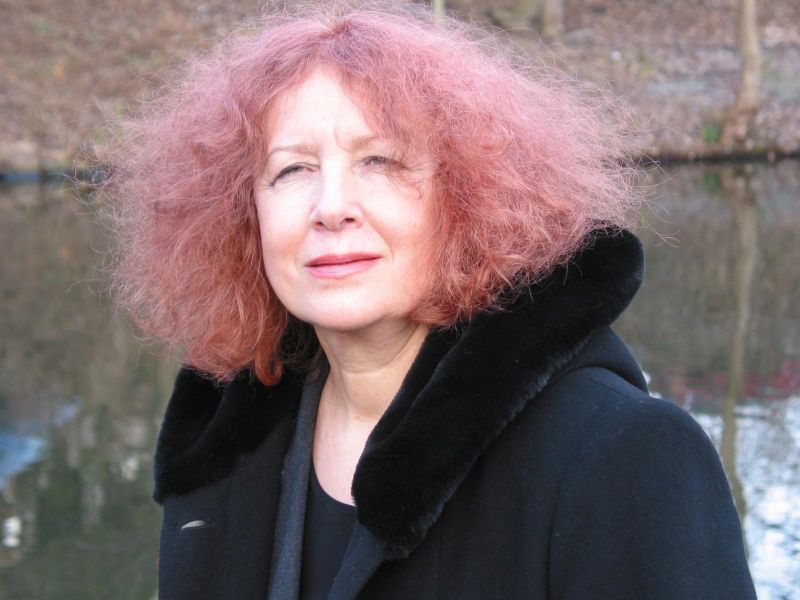
Janina Szarek and the Teatr Studio am Salzufer – Tadeusz Różewicz Bühne Berlin
Mediathek Sorted
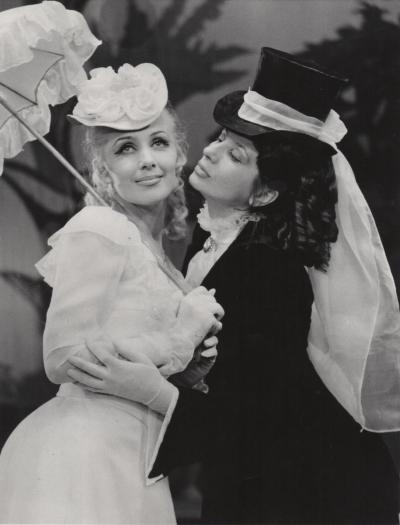
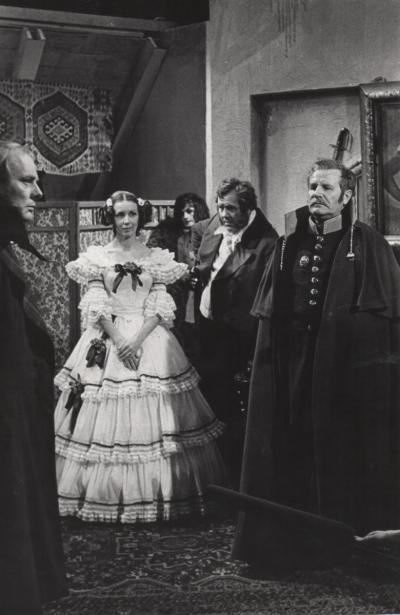
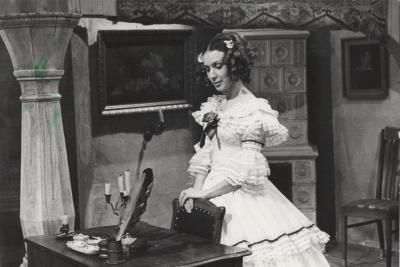

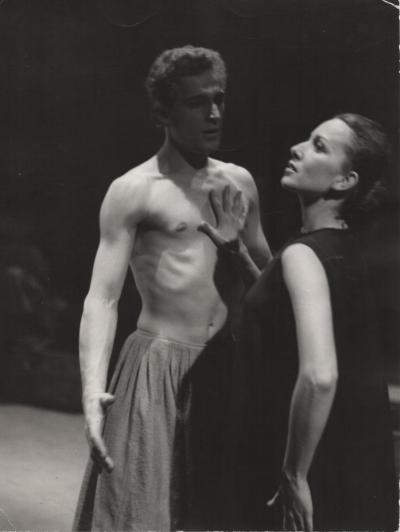
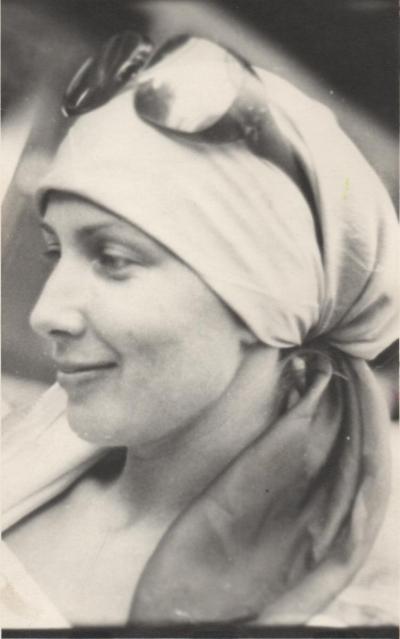
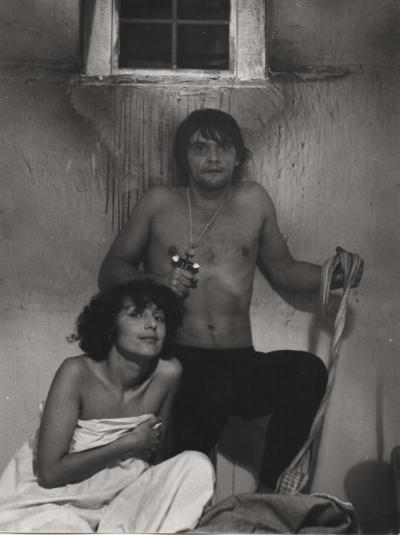

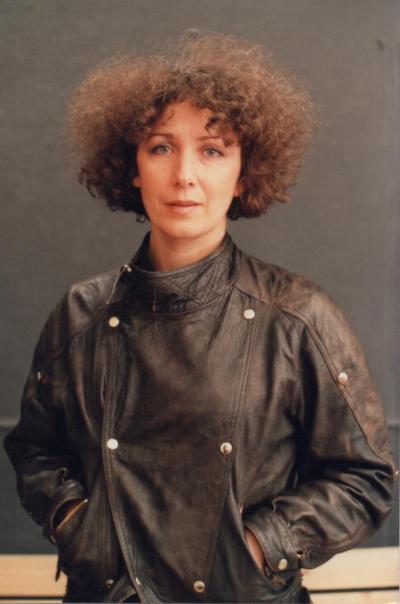
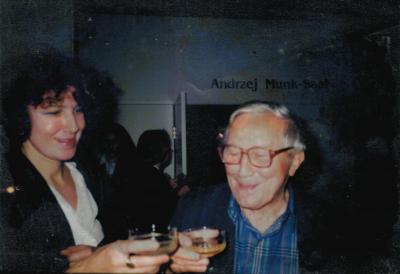
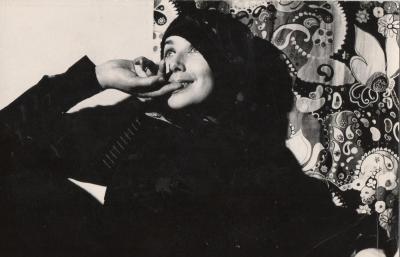
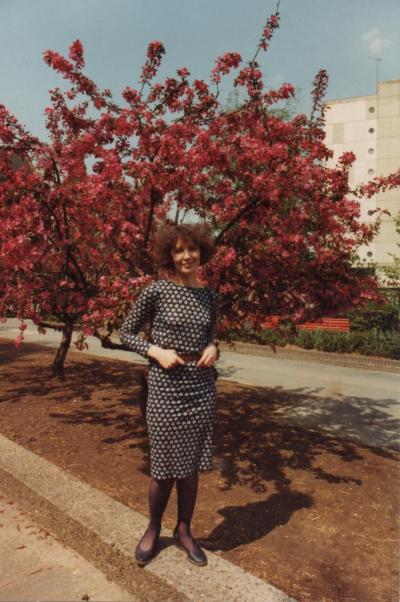
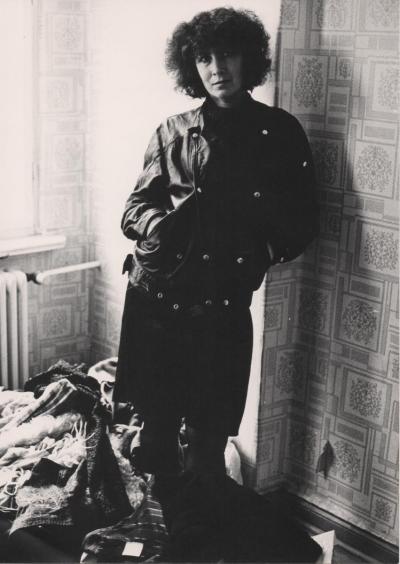



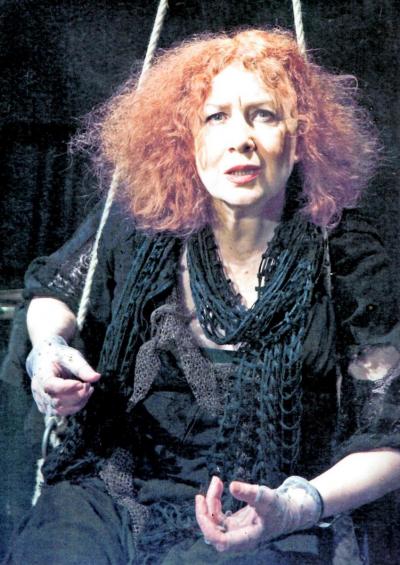

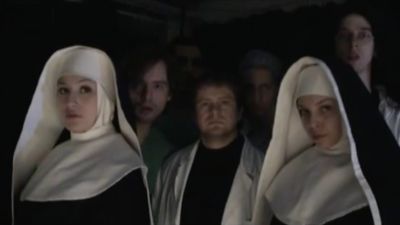
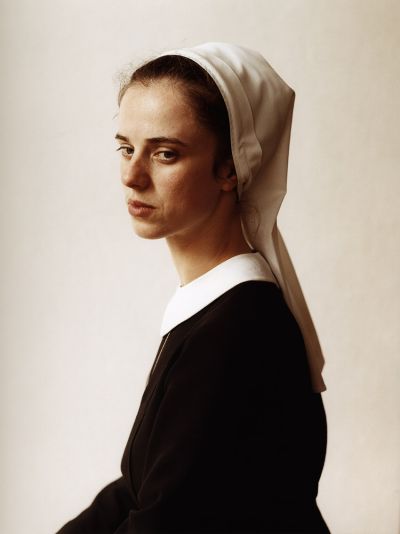
Film "The Madman and the Nun" - St. Ignacy Witkiewicz, Filmstudio Transform, Director: Janina Szarek

Jubileusz 16-lecia Szkoły Aktorskiej TRANSform oraz 14-lecia Teatru Studio
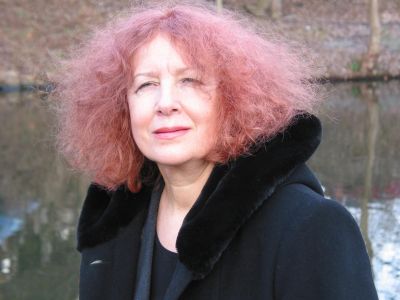
Professional career in Poland
In 1964, Janina Szarek did her A-levels at the Bartosz Głowacki Grammar School in Tomaszów Lubelski and sat the entrance exam to take Polish studies in the philological faculty at the Jagiellonian University. In Kraków, being a child from the provinces gave her a complex and she had to battle severe shyness.[2]. Her thoughts, however, continued to focus on the theatre. Eventually, she immersed herself in the Bohemian world favoured by some students. Among others, she appeared in the Styx group in Kafka’s “The Trial” and performed in “The Madman and the Nun” (Wariat i zakonnica) by Stanisław Ignacy Witkiewicz (alias Witkacy). Whilst at university, she made contact with the Teatr STU in Kraków, the theatre of the State Theatre School (Państwowa Wyższa Szkoła Teatralna), which was set up in 1966. The theatre was looking for new actors. Janina Szarek passed the admission exam and became part of an ensemble in which she met Olgierd Łukaszewicz, Jerzy Trela, Wojciech Pszoniak, Jan Łukowski, Jerzy Szejbal, Jerzy Stuhr, and Krzysztof Jasiński, to name but a few. A short time later, she was given a role in Bolesław Leśmian’s “Kabała” (The Kabala). After this, she could be seen in “Oratorium rewolucyjne” (The Revolutionary Oratorium), a stage play that was also based on texts by Krzysztof Kamil Baczyński. As an actress in the Teatr STU, she took part in many theatre festivals. A short time later, Krzysztof Jasiński established a kind of theatre school in Kraków, which he called Studio Aktorskie Teatru STU. Janina Szarek was admitted to the school and continued to develop her acting talent.
The civil unrest in March 1968 was a watershed moment. At the time, the actress was in her fourth year at university and was supposed to travel to a festival in France with the Teatr STU but, for political reasons, the trip could not go ahead. Janina Szarek then realised, somewhat bitterly, that her fellow students at the Kraków State Theatre School had hardly shown any interest in the situation in the country or in the protests in which students throughout Poland were taking part. The conflict created by her attitude led to the actress being removed from the theatre and from the studio without further explanation.
A few months later, Szarek sat her entrance exam for the State Theatre School in Kraków, where she studied alongside Anna Dymna, Krystyna Tkacz, Marzena Trybała, Andrzej Malec and Ewa Dałkowska. She was now actively living the life of an artist, including as a co-founder and co-creator of the student theatre. She sang in the Kraków Klub pod Jaszczurami and performed in Janusz Rewiński’s political cabaret. She gained her degree at the Kraków Theatre School thanks to her involvement in three performances: Bronisław Dąbrowski’s production of “The Cherry Orchard” by Anton Chekhov, the comedy “Fantazy” written by Juliusz Słowacki and directed by Jerzy Merunowicz, and “Gyubal Wahazar” written by Stanisław Ignacy Witkiewicz and directed by Bogdan Hussakowski.
In 1972, immediately after finishing her degree, Janina Szarek received an offer from the Teatr Współczesny in Wrocław, one of the most interesting theatres in Poland whose work was often experimental. The young graduate of the Theatre School was immediately cast in “Ladies and Hussars” (Damy i huzary) by Aleksander Fredro. She also played the Communist Tamara in “The Young Guard” [based on the novel of the same name] by Alexander Fadejew, a young woman in “Lysistrata” by Aristophanes, Izabela Łęcka in “Mr Wokulski” (Pan Wokulski) based on the novel “The Doll” (Lalka) by Bolesław Prus, the Pallas Athena in “The Oresteia” by Aeschylus and Tatjana in Maxim Gorky’s “The Philistines”. Increasingly, she was also finding work with the Polish television theatre (Teatr Telewizji), where amongst the many roles she played was the role of the white girl in “Medea” by Euripides [adapted by] Dygat. In Kazimierz Braun’s production of “The Old Woman Broods” by Tadeusz Różewicz, she was given the role of the pretty girl. This stage play, which in its multiplicity surpasses all other works by Różewicz and is usually understood to be the author settling scores with modern civilisation, would later be enormously important for the actress, as, incidentally, would Różewicz himself.[3]