Menu toggle
Navigation

Poles in Breslau (until 1939)
For centuries, Poles were part of the history of Wrocław, the capital city of Silesia.

Mediathek Sorted

Media library
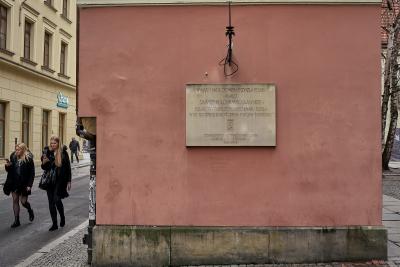
  • Memorial plaque in Wrocław  - Commemoration of the 55th anniversary of the end of the Second World War
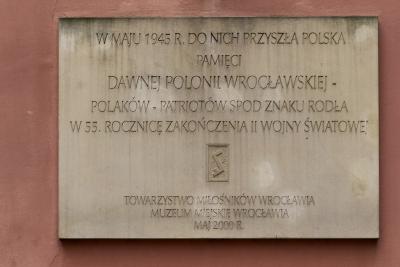
  • Memorial plaque in Wrocław  - Close-up
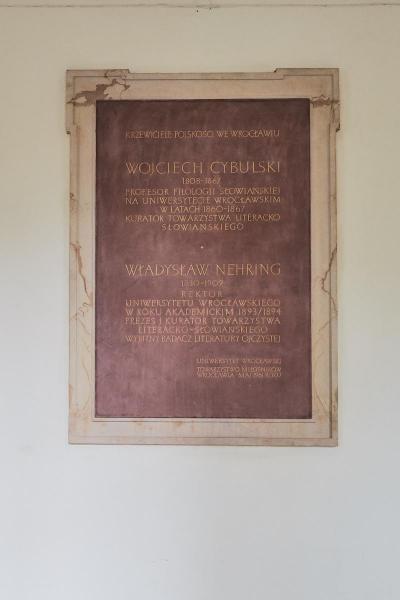
  • Memorial plaque for Wojciech Cybulski and Władysław Nehring - Main building of the University of Wrocław
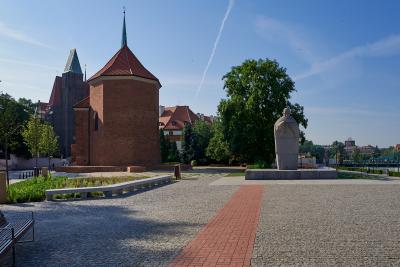
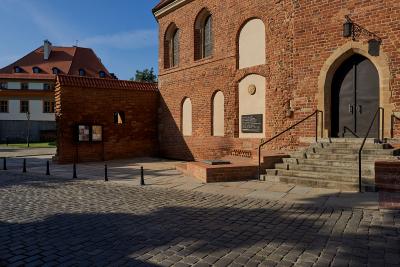
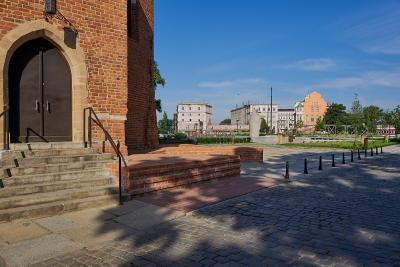
  • St. Martin's Church (Kościół św. Marcina) in Wrocław -
  • The monument to John XXIII. - Next to St. Martin's Church (Kościół św. Marcina) in Wrocław
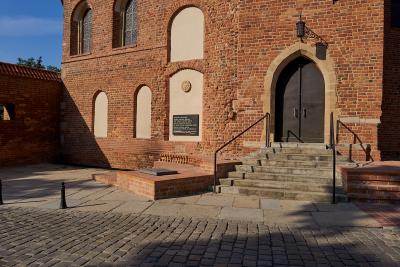
  • St. Martin's Church (Kościół św. Marcina) in Wrocław - The entrance and the memorial plaque and donor plaque
  • St. Martin's Church (Kościół św. Marcina) in Wrocław - Entrance
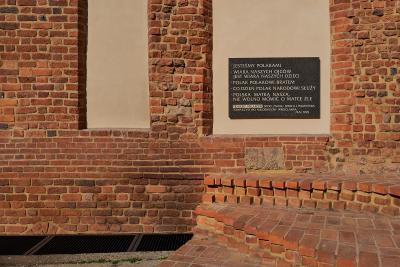
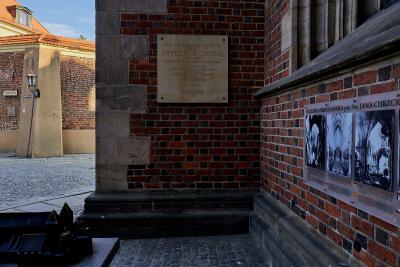
  • Memorial plaque with the ‘Truths of Poles under the Rodło Sign’ - Memorial plaque on St. Martin's Church, to the left of the entrance
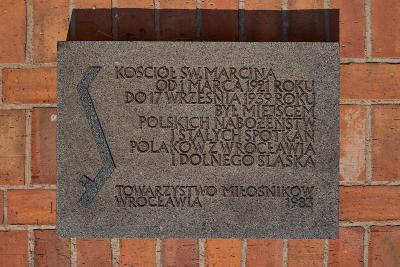
  • The memorial plaque was donated in 1983 by the ‘Towarzystwo Miłośników Wrocławia’ society - Floor-mounted, next to the entrance
  • The entrance to St. Martin's Church (Kościół św. Marcina) in Wrocław - On the right is the back of the monument to Pope John XXIII.
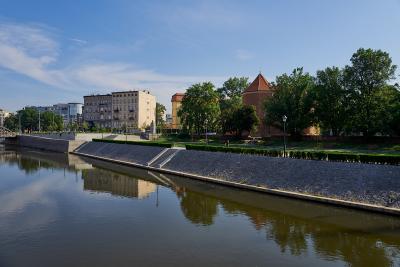
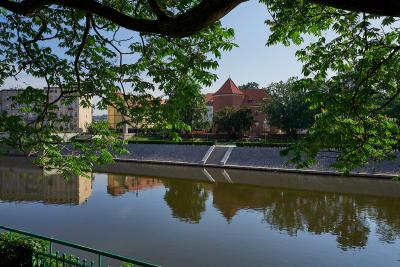
  • View of the St. Martin's Church (Kościół św. Marcina) in Wrocław - From the cathedral bridge over the Oder
  • View of the St. Martin's Church (Kościół św. Marcina) in Wrocław - From the opposite bank of the River Oder
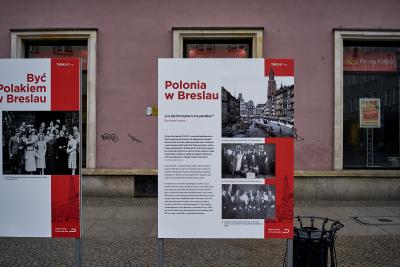
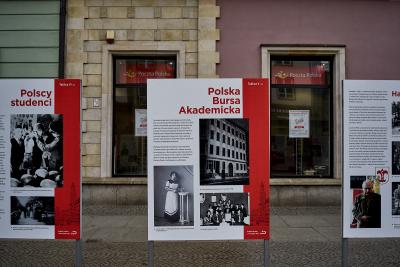
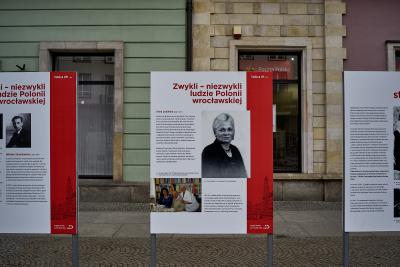
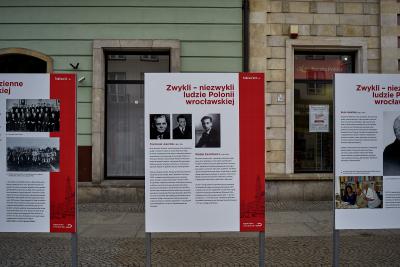
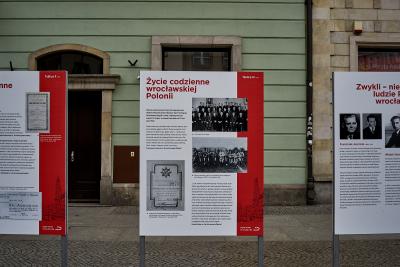
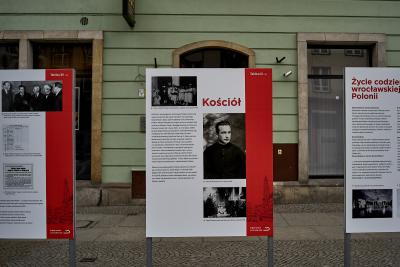
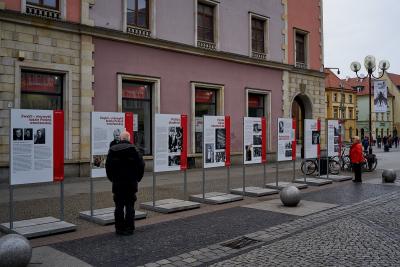
  • Exhibition in public space about the Polonia in Wrocław - Organised by the Centre for ‘Future and Remembrance’ (Ośrodek Pamięć i Przyszłość) in Wrocław. Panel I / XV.
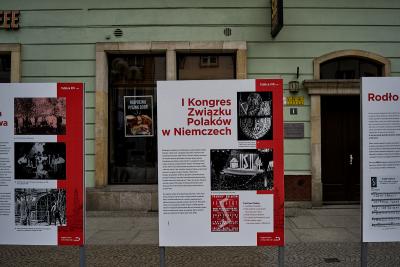
  • Exhibition in public space about the Polonia in Wrocław - Table V / XV
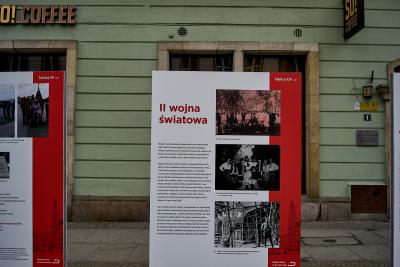
  • Exhibition in public space about the Polonia in Wrocław - Table VII / XV
  • Exhibition in public space about the Polonia in Wrocław - Table VIII / XV
  • Exhibition in public space about the Polonia in Wrocław - Table IX / XV
  • Exhibition in public space about the Polonia in Wrocław - Table XI / XV
  • Exhibition in public space about the Polonia in Wrocław - Table XIII / XV
  • Exhibition in public space about the Polonia in Wrocław - Table XIV / XV
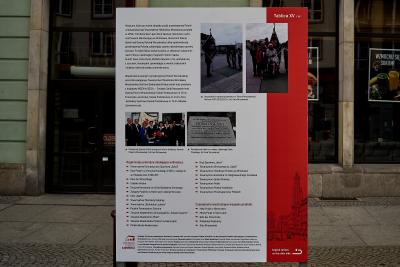
  • Exhibition in public space about the Polonia in Wrocław - Table XV / XV
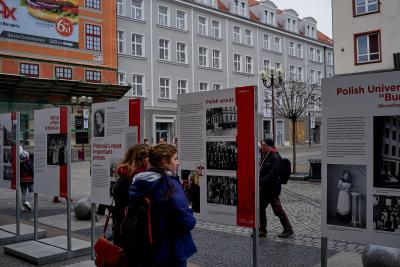
  • Public exhibition on the Polonia in Wrocław - Display boards and visitors
  • Exhibition in public space about the Polonia in Wrocław - Organised by the Centre for ‘Future and Remembrance’ (Ośrodek Pamięć i Przyszłość) in Wrocław
  • Exhibition in public space about the Polonia in Wrocław - Display boards and visitors, overview to the left
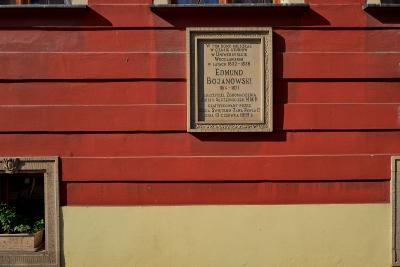
  • The memorial plaque for Edmund Bojanowski - Founder of the Congregation of the Handmaids of Mary Immaculate, beatified in 1999
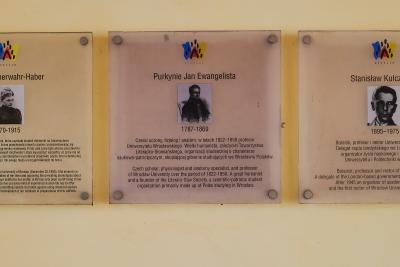
  • The memorial plaque for Jan Evangelista Purkyne - In the main building of the University of Wrocław.
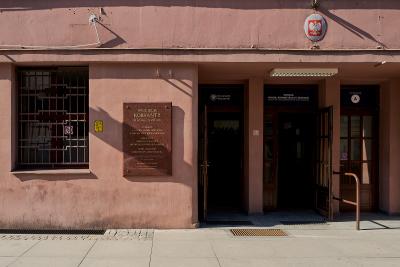
  • The Plaque for Wojciech Korfanty  - On the building of the Faculty of Law, Administration and Economics of the University of Wrocław.
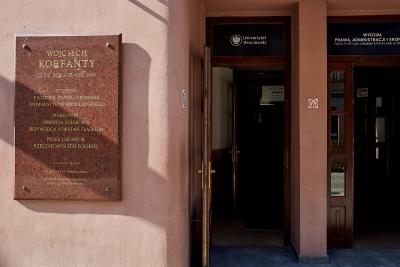
  • The Plaque for Wojciech Korfanty  - Close-up of the contents of the commemorative plaque
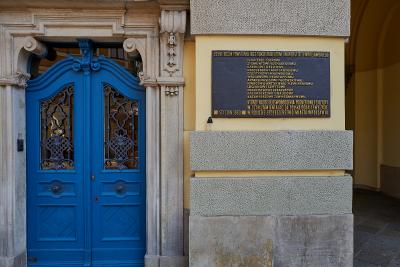
  • Memorial plaque to the Polish students who fought in the January Uprising of 1863 - At the portal on the university square near the Fechterbrunnen fountain
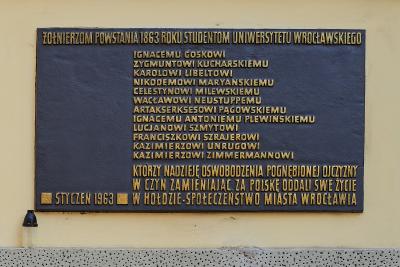
  • Memorial plaque to the Polish students who fought in the January Uprising of 1863 - On the main building of the University of Wrocław, donated in January 1963
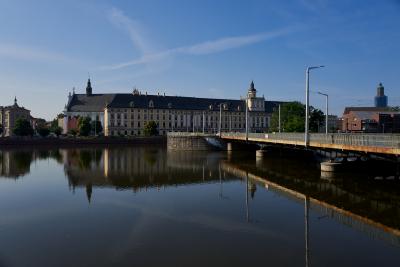
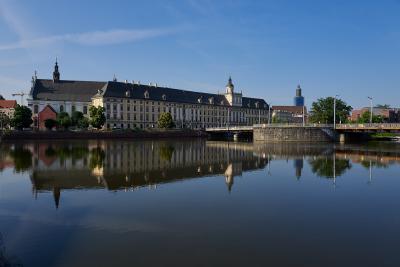
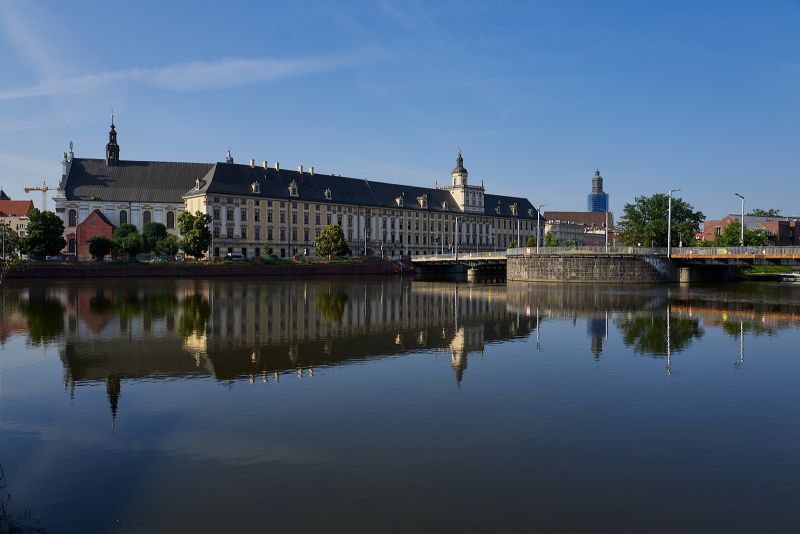
  • The main building of the University of Wrocław - The Oder River in the foreground
  • The main building of the University of Wrocław - View 2
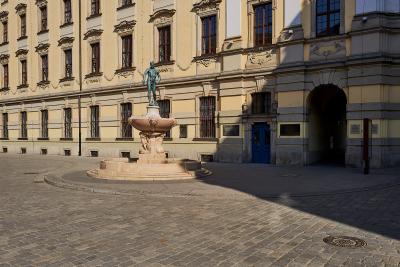
  • The fencing fountain  - On University Square in Wrocław.
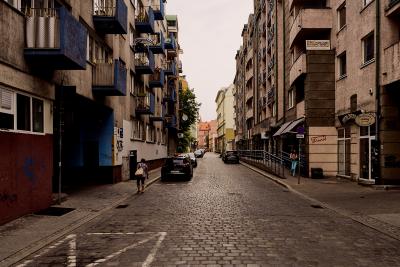
  • The street ‘Ulica Biskupia’ in Wrocław - Today's state
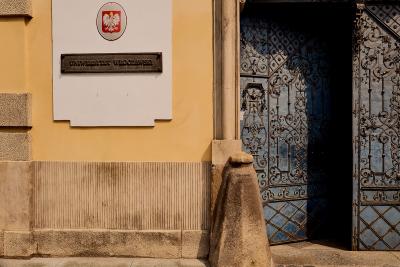
  • University of Wrocław - Sign next to the portal
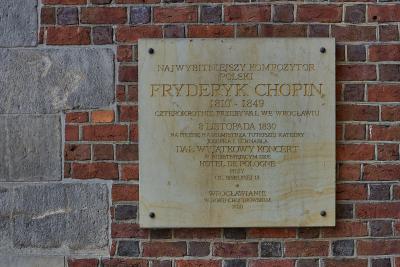
  • Memorial plaque of the concert by Fryderyk Chopin in Wrocław - On the Wroclaw Cathedral wall
  • The commemorative plaque was donated by the people of Breslau in 2010, the year of Chopin - On 8 November 1830, Chopin gave a concert at the Hotel de Pologne at the request of the local Kapellmeister of Breslau Cathedral.
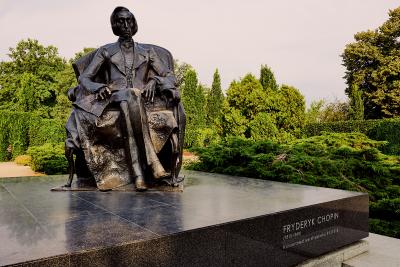
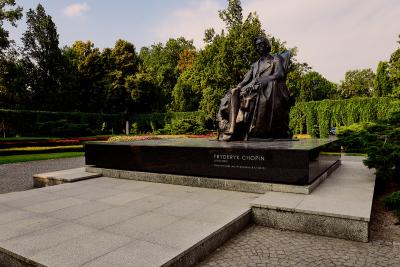
  • Monument to Fryderyk Chopin - South Park in Wrocław.
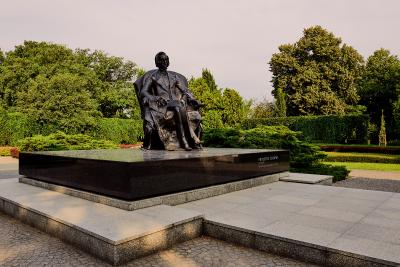
  • Monument to Fryderyk Chopin in Wrocław - Side view
  • Monument to Fryderyk Chopin in Wrocław - Close-up view of the statue of the composer.
For centuries, Poles were part of the history of Wrocław, the capital city of Silesia.

Nucleus of the Polish intelligentsia
 

The Friedrich Wilhelm University in Silesia played an important role in the process of creating a Polish intelligentsia. It was founded in 1811 and, for several generations, attracted young Poles from Wielkopolska, Upper Silesia and Pomerania (at some point they even accounted for a third of all matriculated students). Wrocław University was closer to their family homes that the one in the capital Berlin. They began their studies with the aim of gaining a diploma that would offer them the chance of a career in administration, in education or in the liberal professions (they counted the most bourgeois and representatives of the lower nobility amongst their number). This is reflected in the areas of study they chose: medicine, law and economics were very popular, followed by philology and theology. 

From the outset, Polish students, just like other students, established various organisations. 1818 saw the founding of the “Polonia” organisation whose members made it their goal to fight for an independent Poland, true to the motto “Freedom and Fatherland”. The youths later took part in the November Uprising of 1830/31, without any form of repression. Polish students could also be found in the rebellion parties of 1863. Adam Asnyk, Jan Kasprowicz and Wojciech Korfanty were just some of the students at the university at the end of the 19th century.

Other organisations that brought together young people of Polish heritage were founded at Wrocław University in the first half of the 19th century. The Literary and Slavic Society was founded in 1836. The Czech philologist and anatomist Johannes Evangelist Purkine (1787-1869) was elected President. Membership required an interest in Polish history and culture and the preparation of talks. These talks formed the basis for discussion within the forum of the society.

The Chair for Slavic Language and Literature was established in Wrocław in 1841 as a result of the liberal policies of King Friedrich Wilhelm IV. Polish language courses have been taught at the University since 1812. The royal decree declared that it had been established to 

"give young people of Polish heritage studying at the local university the opportunity to improve their abilities in their mother tongue" (cited from Teresa Kulak, Historia Wrocławia ..., p. 188).

In the 1860s, Wojciech Cybulski, who had taken part in the November Uprising (his successor, Władysław Nehring, headed up the courses on Polish Literature until 1907), held the chair.

Polish students from various partitioned territories were also active and founded their own organisations in the second half of the 19th century. In 1863, students from Upper Silesia founded the Association of Polish Upper Silesians. Its aim was to improve the knowledge of the Polish language, history and culture. In 1868, students from Wielkopolska and Pomerania founded the Circle or Wrocław Academics of Polish Nationality.

The period of anti-Polish German policies in the second half of the 1880s also had an impact on the Polish organisations. Despite all the prohibitions, Polish organisations were reborn. In the end, after yet another anti-Polish decree, it was decided to establish secret organisations.