Menu toggle
Navigation

Poles in Breslau (until 1939)
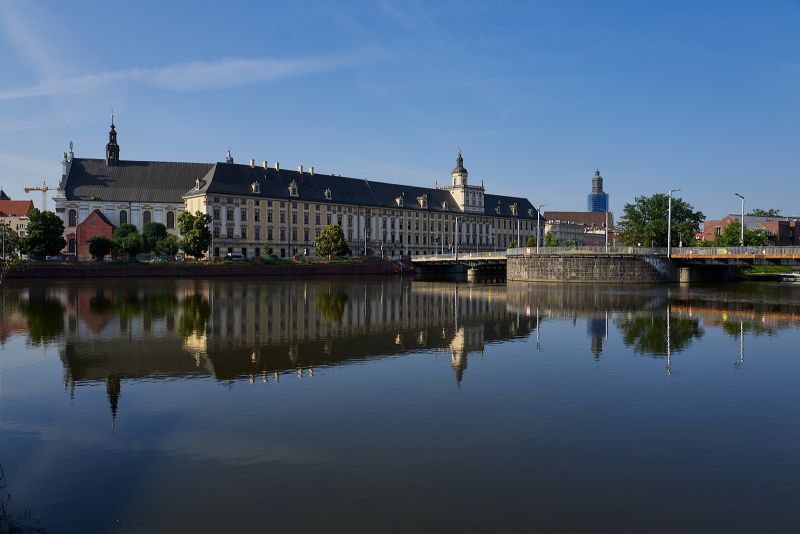
For centuries, Poles were part of the history of Wrocław, the capital city of Silesia.

Mediathek Sorted

Media library
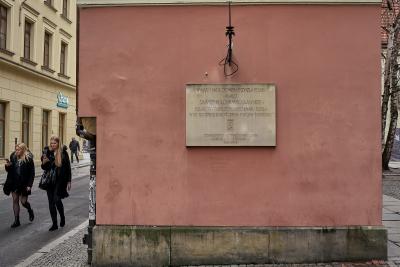
  • Memorial plaque in Wrocław  - Commemoration of the 55th anniversary of the end of the Second World War
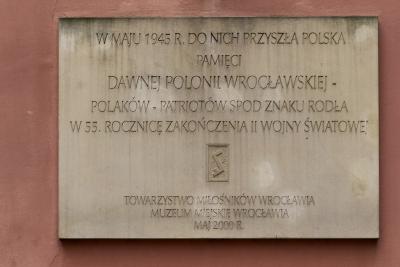
  • Memorial plaque in Wrocław  - Close-up
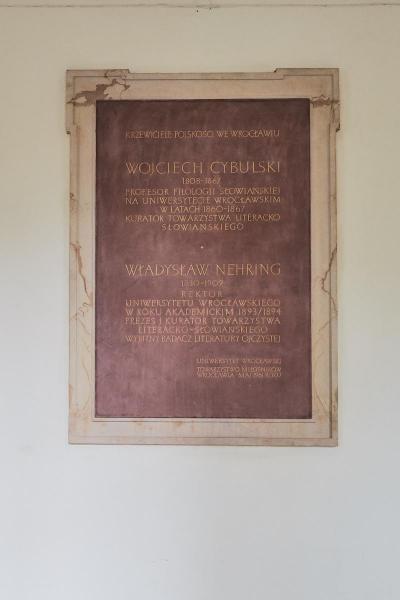
  • Memorial plaque for Wojciech Cybulski and Władysław Nehring - Main building of the University of Wrocław
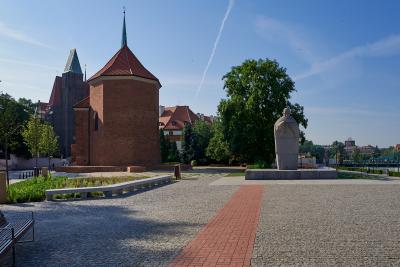
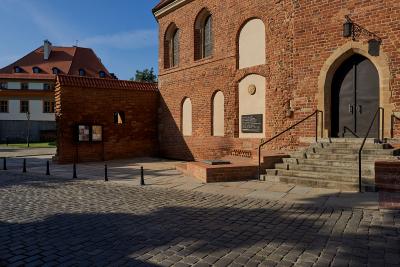
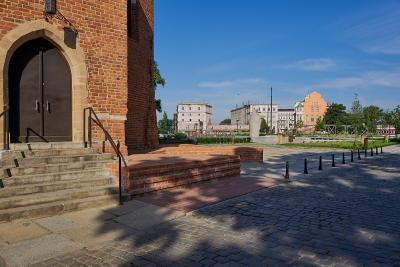
  • St. Martin's Church (Kościół św. Marcina) in Wrocław -
  • The monument to John XXIII. - Next to St. Martin's Church (Kościół św. Marcina) in Wrocław
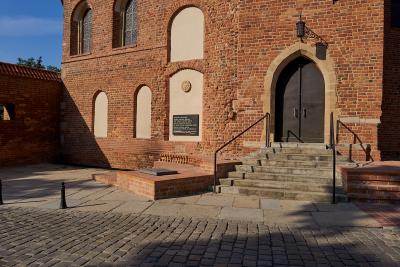
  • St. Martin's Church (Kościół św. Marcina) in Wrocław - The entrance and the memorial plaque and donor plaque
  • St. Martin's Church (Kościół św. Marcina) in Wrocław - Entrance
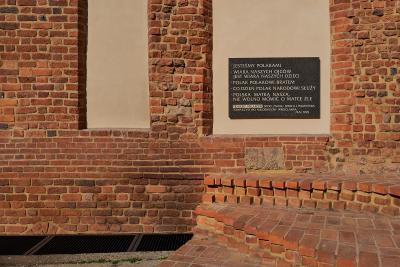
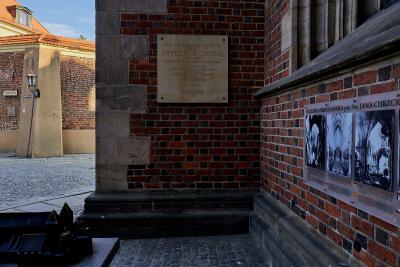
  • Memorial plaque with the ‘Truths of Poles under the Rodło Sign’ - Memorial plaque on St. Martin's Church, to the left of the entrance
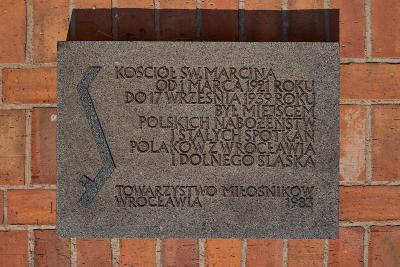
  • The memorial plaque was donated in 1983 by the ‘Towarzystwo Miłośników Wrocławia’ society - Floor-mounted, next to the entrance
  • The entrance to St. Martin's Church (Kościół św. Marcina) in Wrocław - On the right is the back of the monument to Pope John XXIII.
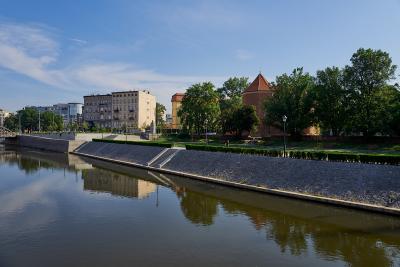
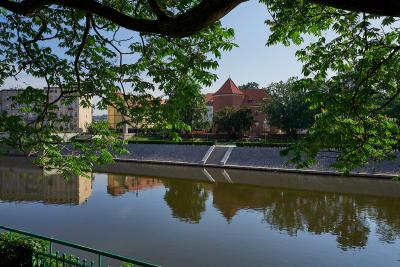
  • View of the St. Martin's Church (Kościół św. Marcina) in Wrocław - From the cathedral bridge over the Oder
  • View of the St. Martin's Church (Kościół św. Marcina) in Wrocław - From the opposite bank of the River Oder
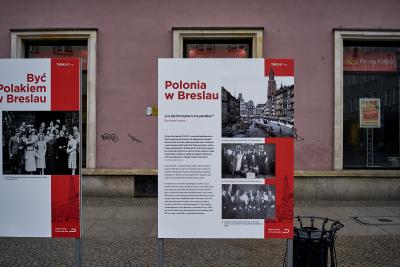
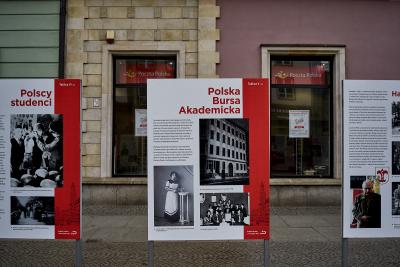
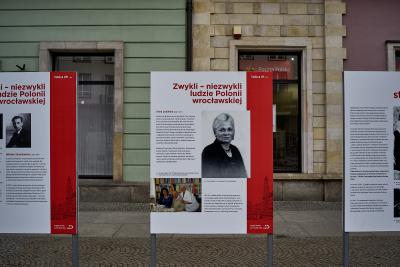
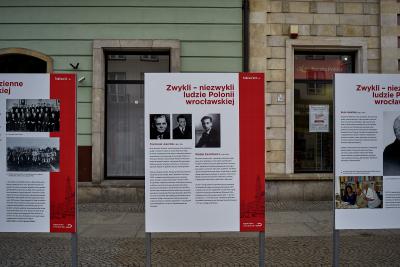
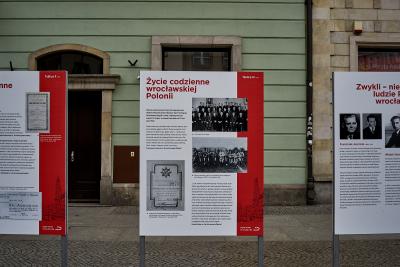
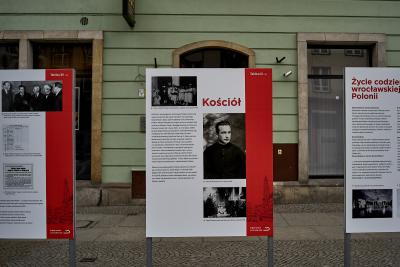
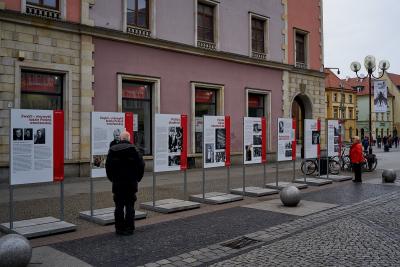
  • Exhibition in public space about the Polonia in Wrocław - Organised by the Centre for ‘Future and Remembrance’ (Ośrodek Pamięć i Przyszłość) in Wrocław. Panel I / XV.
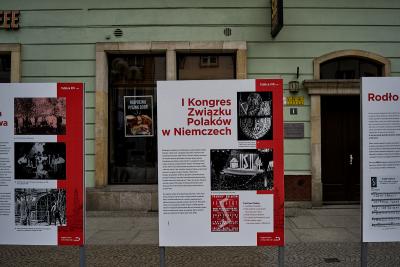
  • Exhibition in public space about the Polonia in Wrocław - Table V / XV
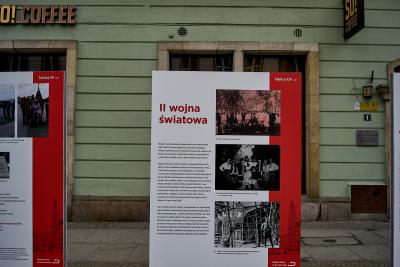
  • Exhibition in public space about the Polonia in Wrocław - Table VII / XV
  • Exhibition in public space about the Polonia in Wrocław - Table VIII / XV
  • Exhibition in public space about the Polonia in Wrocław - Table IX / XV
  • Exhibition in public space about the Polonia in Wrocław - Table XI / XV
  • Exhibition in public space about the Polonia in Wrocław - Table XIII / XV
  • Exhibition in public space about the Polonia in Wrocław - Table XIV / XV
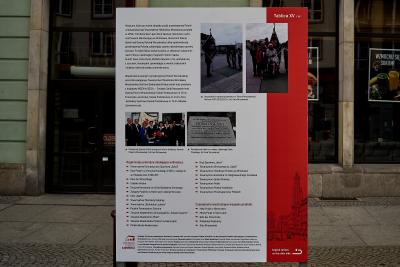
  • Exhibition in public space about the Polonia in Wrocław - Table XV / XV
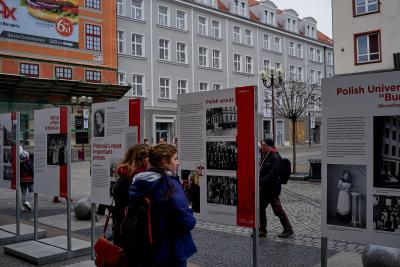
  • Public exhibition on the Polonia in Wrocław - Display boards and visitors
  • Exhibition in public space about the Polonia in Wrocław - Organised by the Centre for ‘Future and Remembrance’ (Ośrodek Pamięć i Przyszłość) in Wrocław
  • Exhibition in public space about the Polonia in Wrocław - Display boards and visitors, overview to the left
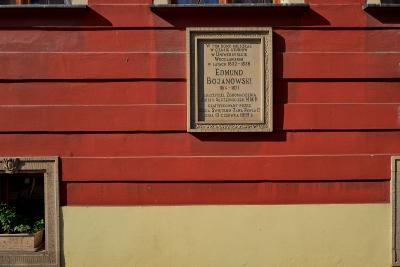
  • The memorial plaque for Edmund Bojanowski - Founder of the Congregation of the Handmaids of Mary Immaculate, beatified in 1999
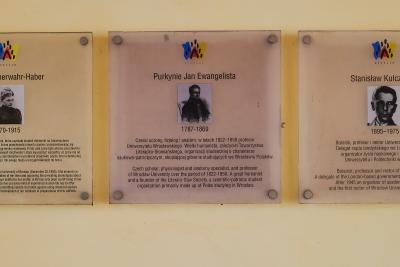
  • The memorial plaque for Jan Evangelista Purkyne - In the main building of the University of Wrocław.
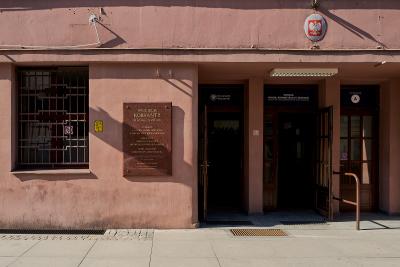
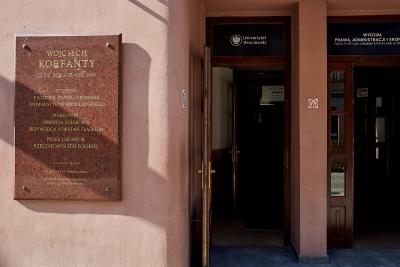
  • The Plaque for Wojciech Korfanty  - On the building of the Faculty of Law, Administration and Economics of the University of Wrocław.
  • The Plaque for Wojciech Korfanty  - Close-up of the contents of the commemorative plaque
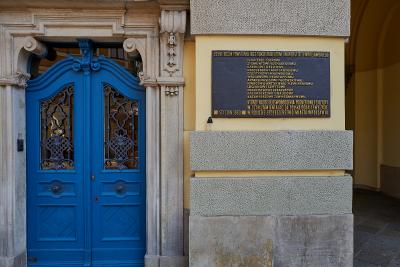
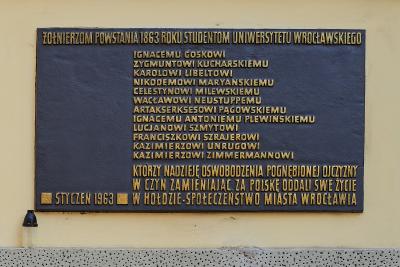
  • Memorial plaque to the Polish students who fought in the January Uprising of 1863 - At the portal on the university square near the Fechterbrunnen fountain
  • Memorial plaque to the Polish students who fought in the January Uprising of 1863 - On the main building of the University of Wrocław, donated in January 1963
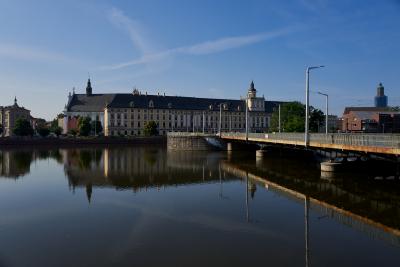
  • The main building of the University of Wrocław - The Oder River in the foreground
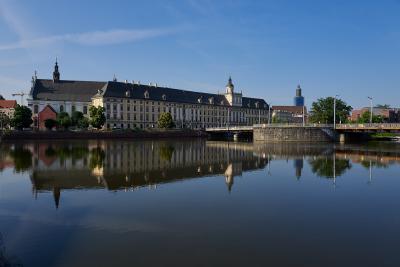
  • The main building of the University of Wrocław - View 2
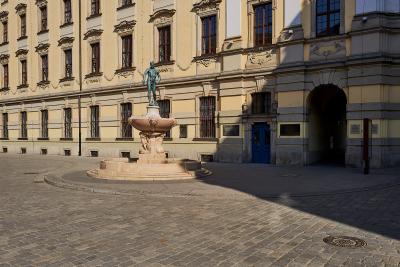
  • The fencing fountain  - On University Square in Wrocław.
  • The street ‘Ulica Biskupia’ in Wrocław - Today's state
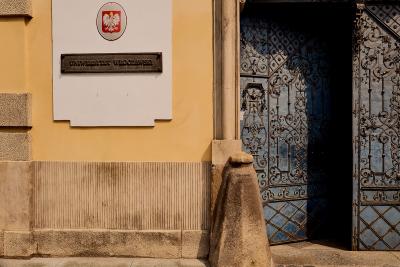
  • University of Wrocław - Sign next to the portal
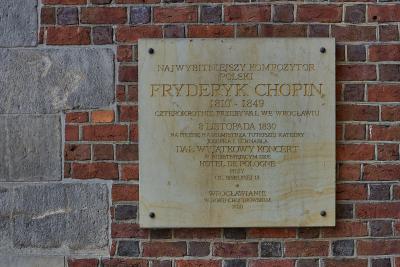
  • Memorial plaque of the concert by Fryderyk Chopin in Wrocław - On the Wroclaw Cathedral wall
  • The commemorative plaque was donated by the people of Breslau in 2010, the year of Chopin - On 8 November 1830, Chopin gave a concert at the Hotel de Pologne at the request of the local Kapellmeister of Breslau Cathedral.
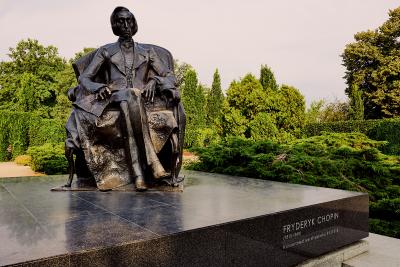
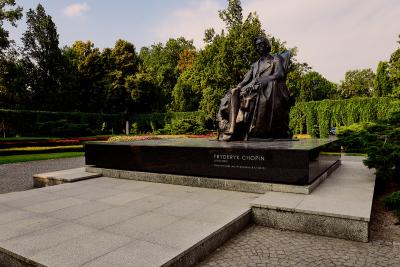
  • Monument to Fryderyk Chopin - South Park in Wrocław.
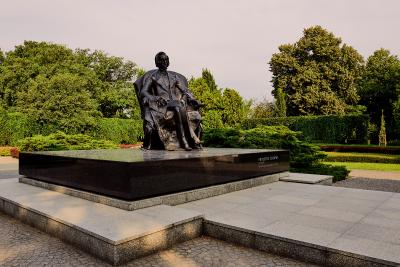
  • Monument to Fryderyk Chopin in Wrocław - Side view
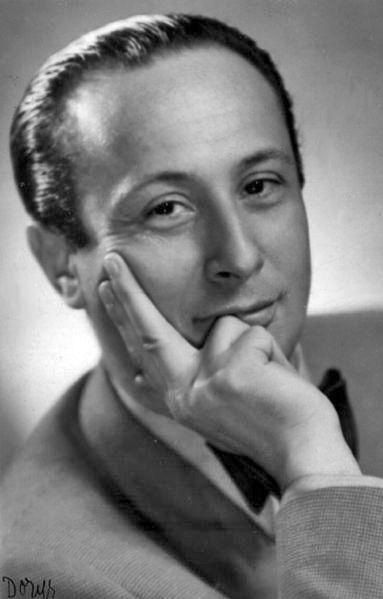
  • Monument to Fryderyk Chopin in Wrocław - Close-up view of the statue of the composer.
For centuries, Poles were part of the history of Wrocław, the capital city of Silesia.

The development of organisational life
 

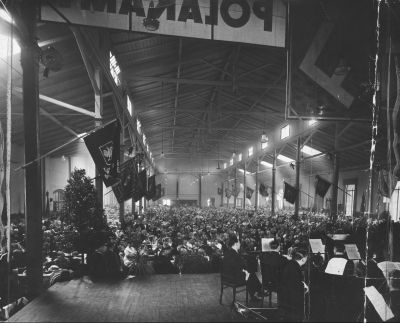
In the second half of the 19th century, the Poles’ social activity in Wrocław increased. Different types of organisation were established. The Association of Polish Industrialists was founded in 1868. Its members were craftsmen, merchants and other people associated with providing services. As well as aiming to achieve a better exchange of information between industry representatives, national challenges were also faced. Lectures and academies were organised. The association had 70 members and formed its own welfare fund.

“The Association of Polish Industrialists in Wrocław is a real blessing for our fellow countrymen", wrote the popular Beuthen newspaper ‘Der Katholik’ in 1881. “The society has a beautiful reading room, holds pedagogical talks, Polish theatre performances and others.”

Ludwik Adamczewski (1863-1952), a tailor from  Poznań, came to the city as president.. 

A choral society called “Harmonia” and a fund for mutual aid were set up in the city. The Polish Catholic Society (1890), the “Lutnia" choral society, the Trading Company and the St. Anna Women’s Association were founded at the end of the 19th century. The latter was established by Aurelia Żychlińska, Jadwiga Kamińska and Jadwiga Jarochowska. They organised social gatherings and talks as well as Polish courses. J. Kaminska also founded the Society of Popular Readers. It had a library containing around 6,000 volumes.

The gymnastics club “Sokół” was established in 1894 and the Volksbank in 1904.

Many events were held in the restaurant at Neue Gasse / Nowa 18; the nearby restaurant “Eldorado and Casino” was also used. The owner of the former was Jan Kwaczewski, also a Pole.