Menu toggle
Navigation

Poles in Breslau (until 1939)
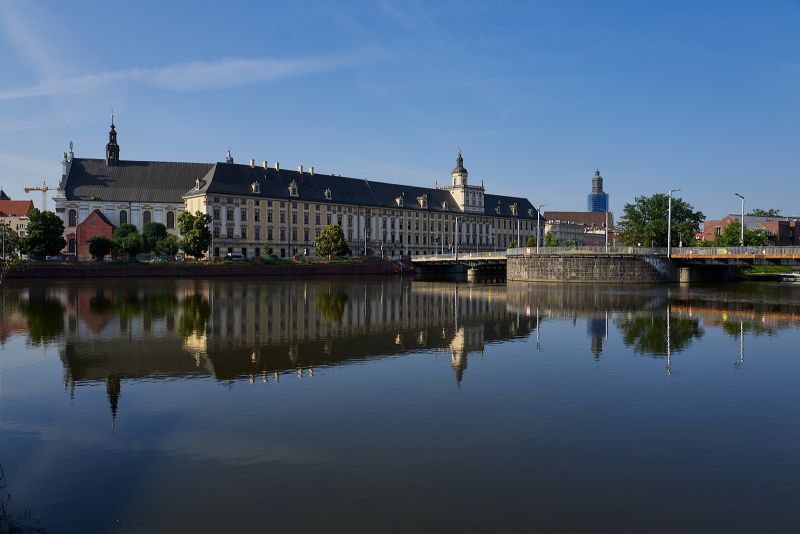
For centuries, Poles were part of the history of Wrocław, the capital city of Silesia.

Mediathek Sorted

Media library
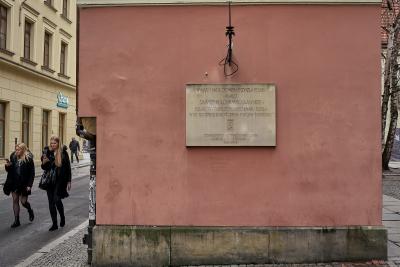
  • Memorial plaque in Wrocław  - Commemoration of the 55th anniversary of the end of the Second World War
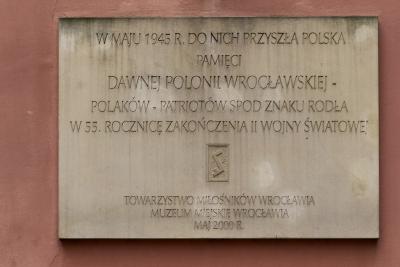
  • Memorial plaque in Wrocław  - Close-up
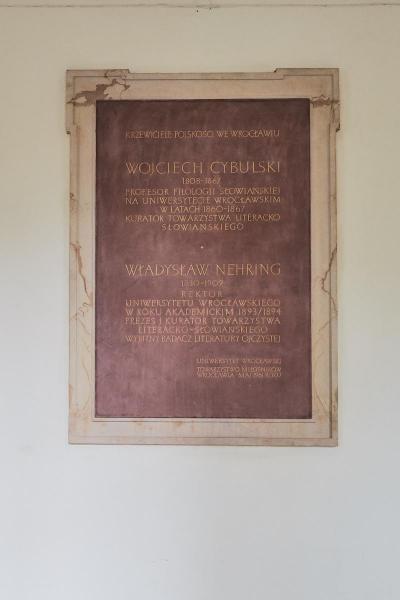
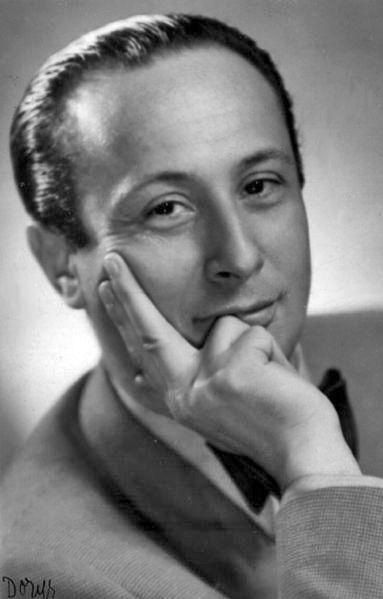
  • Memorial plaque for Wojciech Cybulski and Władysław Nehring - Main building of the University of Wrocław
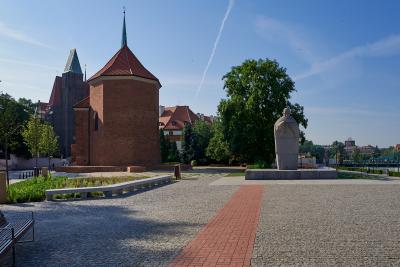
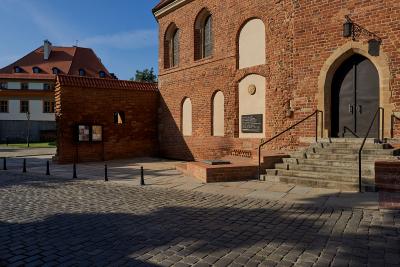
  • St. Martin's Church (Kościół św. Marcina) in Wrocław -
  • The monument to John XXIII. - Next to St. Martin's Church (Kościół św. Marcina) in Wrocław
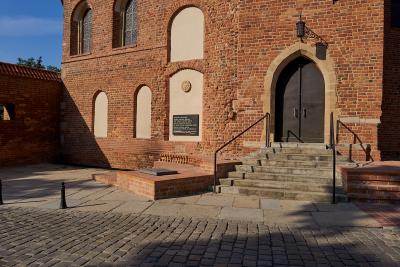
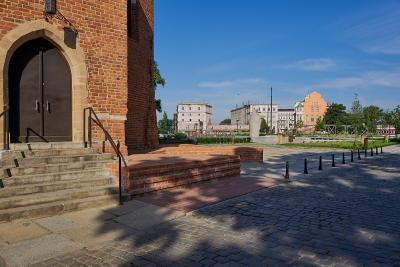
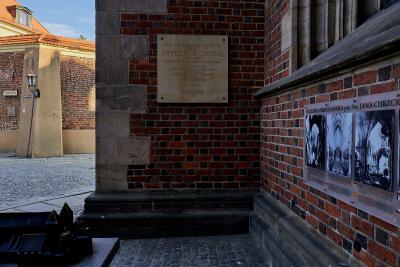
  • St. Martin's Church (Kościół św. Marcina) in Wrocław - The entrance and the memorial plaque and donor plaque
  • St. Martin's Church (Kościół św. Marcina) in Wrocław - Entrance
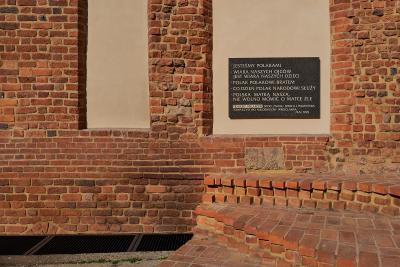
  • Memorial plaque with the ‘Truths of Poles under the Rodło Sign’ - Memorial plaque on St. Martin's Church, to the left of the entrance
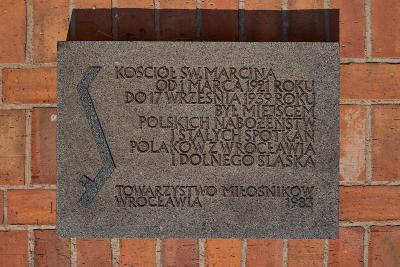
  • The memorial plaque was donated in 1983 by the ‘Towarzystwo Miłośników Wrocławia’ society - Floor-mounted, next to the entrance
  • The entrance to St. Martin's Church (Kościół św. Marcina) in Wrocław - On the right is the back of the monument to Pope John XXIII.
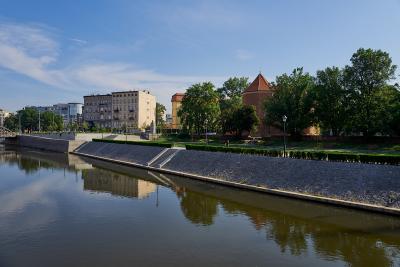
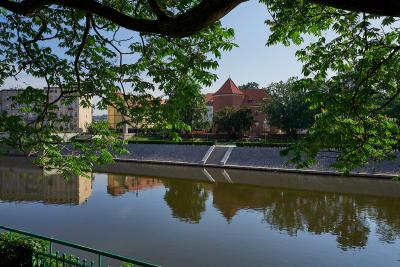
  • View of the St. Martin's Church (Kościół św. Marcina) in Wrocław - From the cathedral bridge over the Oder
  • View of the St. Martin's Church (Kościół św. Marcina) in Wrocław - From the opposite bank of the River Oder
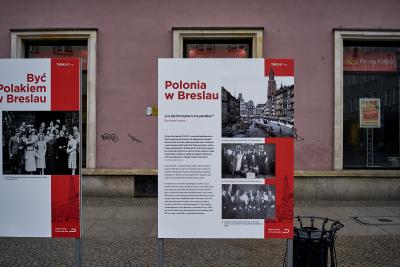
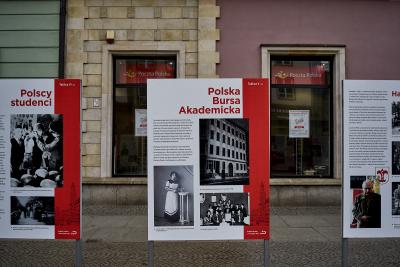
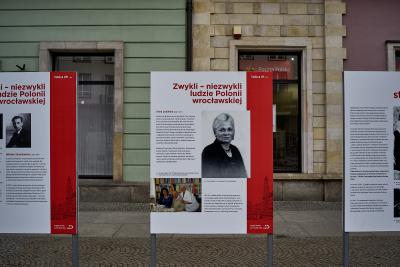
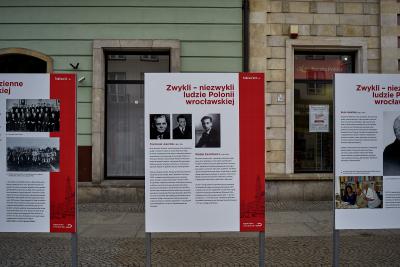
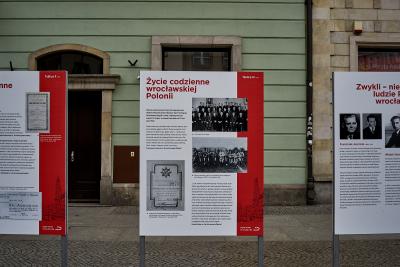
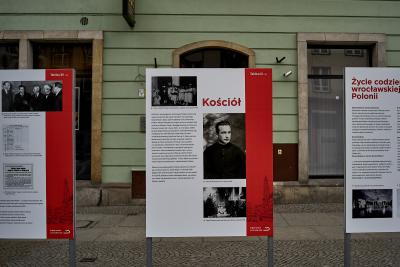
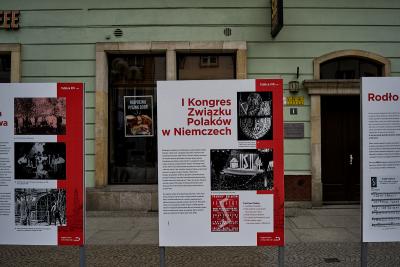
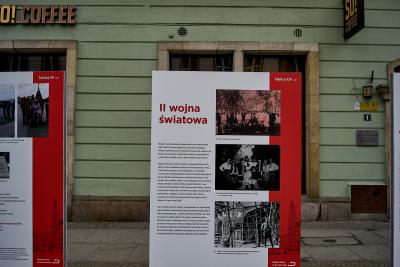
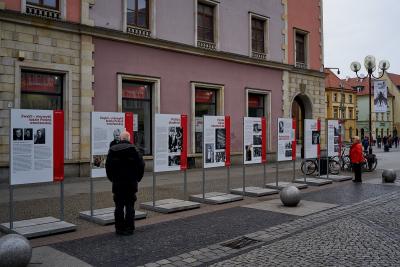
  • Exhibition in public space about the Polonia in Wrocław - Organised by the Centre for ‘Future and Remembrance’ (Ośrodek Pamięć i Przyszłość) in Wrocław. Panel I / XV.
  • Exhibition in public space about the Polonia in Wrocław - Table V / XV
  • Exhibition in public space about the Polonia in Wrocław - Table VII / XV
  • Exhibition in public space about the Polonia in Wrocław - Table VIII / XV
  • Exhibition in public space about the Polonia in Wrocław - Table IX / XV
  • Exhibition in public space about the Polonia in Wrocław - Table XI / XV
  • Exhibition in public space about the Polonia in Wrocław - Table XIII / XV
  • Exhibition in public space about the Polonia in Wrocław - Table XIV / XV
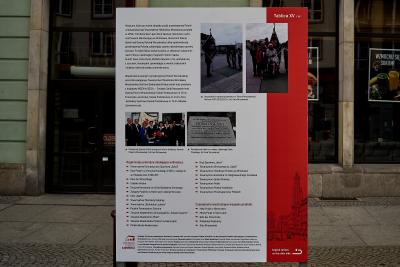
  • Exhibition in public space about the Polonia in Wrocław - Table XV / XV
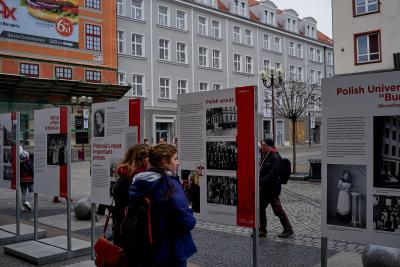
  • Public exhibition on the Polonia in Wrocław - Display boards and visitors
  • Exhibition in public space about the Polonia in Wrocław - Organised by the Centre for ‘Future and Remembrance’ (Ośrodek Pamięć i Przyszłość) in Wrocław
  • Exhibition in public space about the Polonia in Wrocław - Display boards and visitors, overview to the left
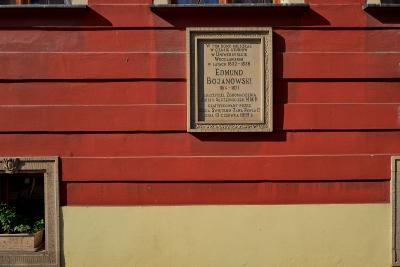
  • The memorial plaque for Edmund Bojanowski - Founder of the Congregation of the Handmaids of Mary Immaculate, beatified in 1999
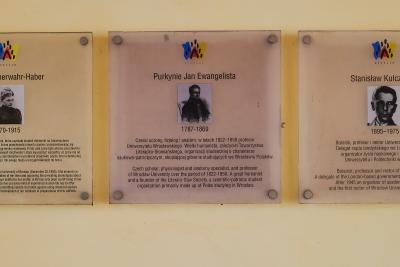
  • The memorial plaque for Jan Evangelista Purkyne - In the main building of the University of Wrocław.
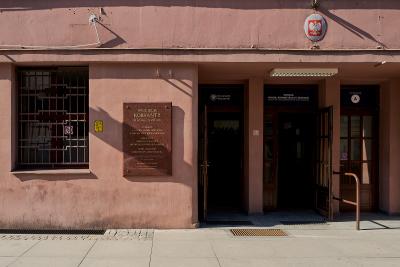
  • The Plaque for Wojciech Korfanty  - On the building of the Faculty of Law, Administration and Economics of the University of Wrocław.
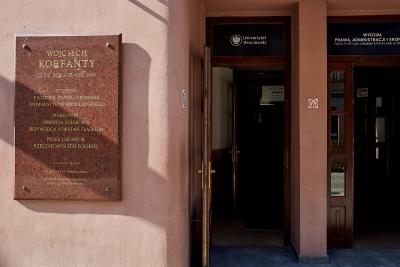
  • The Plaque for Wojciech Korfanty  - Close-up of the contents of the commemorative plaque
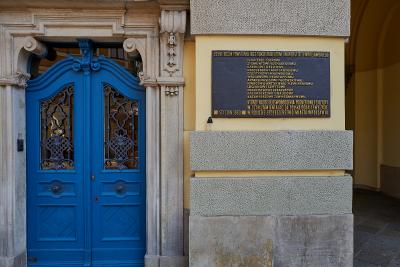
  • Memorial plaque to the Polish students who fought in the January Uprising of 1863 - At the portal on the university square near the Fechterbrunnen fountain
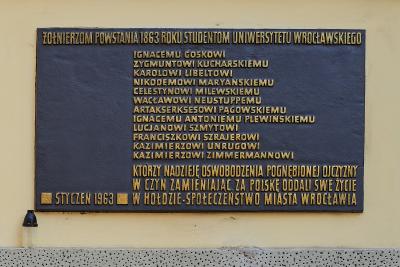
  • Memorial plaque to the Polish students who fought in the January Uprising of 1863 - On the main building of the University of Wrocław, donated in January 1963
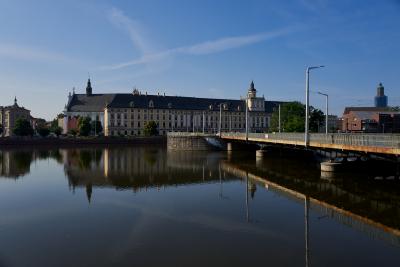
  • The main building of the University of Wrocław - The Oder River in the foreground
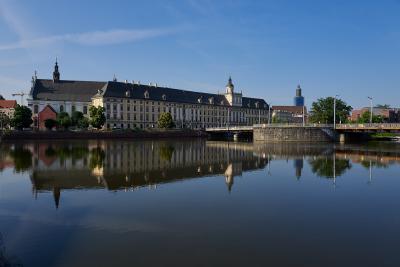
  • The main building of the University of Wrocław - View 2
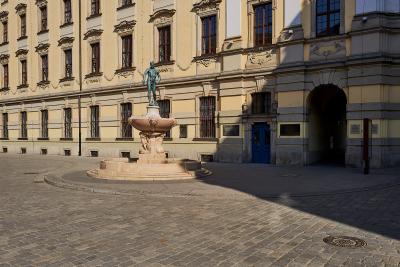
  • The fencing fountain  - On University Square in Wrocław.
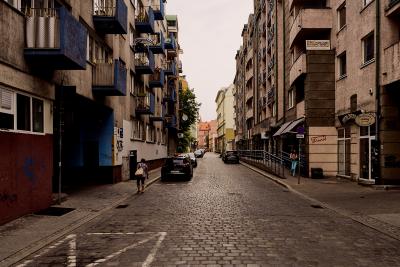
  • The street ‘Ulica Biskupia’ in Wrocław - Today's state
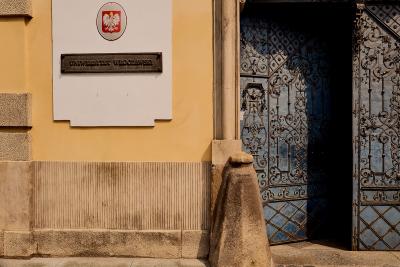
  • University of Wrocław - Sign next to the portal
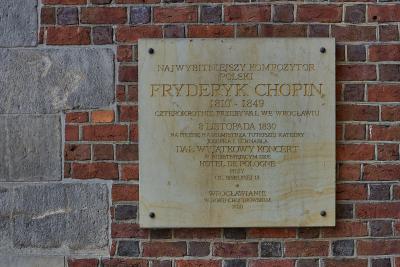
  • Memorial plaque of the concert by Fryderyk Chopin in Wrocław - On the Wroclaw Cathedral wall
  • The commemorative plaque was donated by the people of Breslau in 2010, the year of Chopin - On 8 November 1830, Chopin gave a concert at the Hotel de Pologne at the request of the local Kapellmeister of Breslau Cathedral.
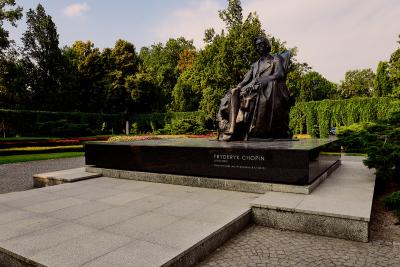
  • Monument to Fryderyk Chopin - South Park in Wrocław.
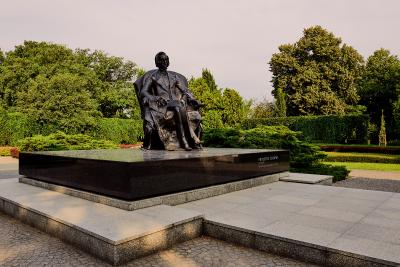
  • Monument to Fryderyk Chopin in Wrocław - Side view
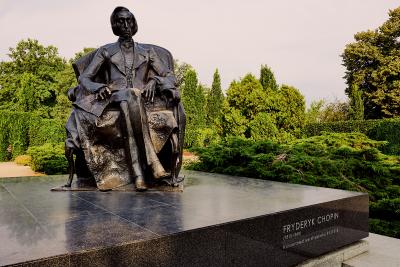
  • Monument to Fryderyk Chopin in Wrocław - Close-up view of the statue of the composer.
For centuries, Poles were part of the history of Wrocław, the capital city of Silesia.

The city of migrants
 

In the 19th century, the paths of Polish migrants crossed from East to West via Wrocław. Amongst the migrants were people who had been involved in national uprisings and members of other conspiracy organisations directed against the partitioning powers. Demonstrations were organised and held in Wrocław and arms transfers were prepared. Many of these Poles stayed in the city for longer periods.

During the Spring of Nations, the Poles in Wrocław supported the democratic forces and the Polish flag hung on the university building at the time. In May 1848, a large Polish political congress was held in Wrocław in which Poles from the three partitioned territories participated. Wrocław was selected to host the event because of its good rail connection and emergency precautions were taken by the police. Around 300 “born revolutionaries” were driven out of the city and deported to neighbouring Saxony. In the years that followed, the police continued to monitor the Polish environment.
The German inhabitants of Wrocław did not always welcome the Polish political activities. They were increasingly perceived as a threat to German unity, the state and the nation. This negative attitude had already been demonstrated during the uprising in Wielkopolska in 1848. At the beginning of the 1860s, demonstrations were held again and, during the January Uprising of 1863, Wrocław once again became a central figure in the conspiracy. Polish craftsmen and students from Wrocław took part in the uprising, which was also reported on by the Wrocław media. A representative of the insurgent national government remained in the city.