#
Menu toggle
Navigation

Poles in Breslau (until 1939)
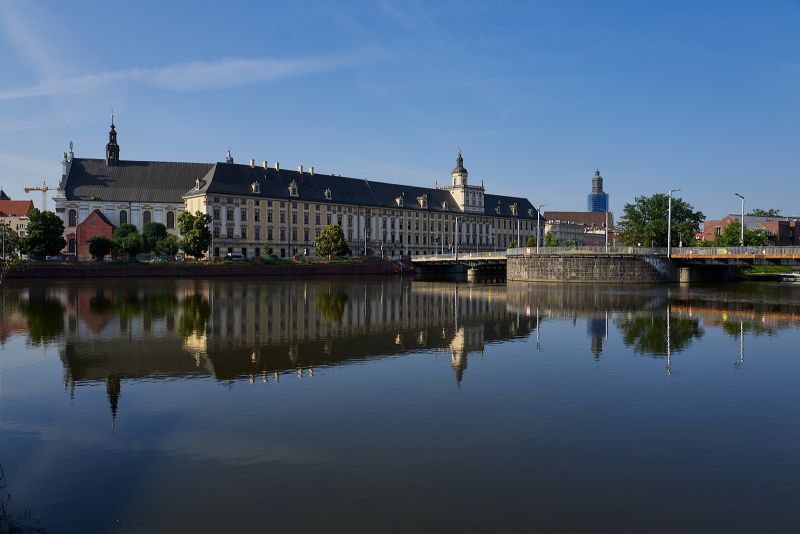
For centuries, Poles were part of the history of Wrocław, the capital city of Silesia.

Mediathek Sorted

Media library
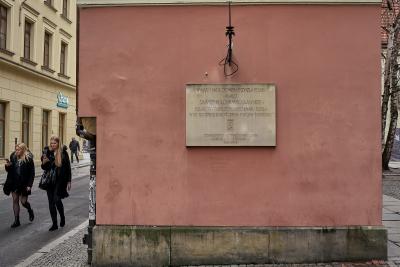
  • Memorial plaque in Wrocław  - Commemoration of the 55th anniversary of the end of the Second World War
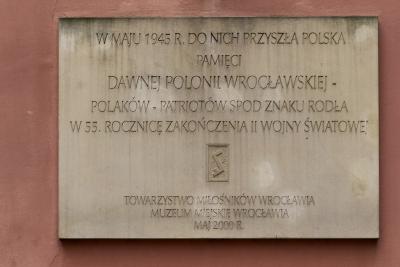
  • Memorial plaque in Wrocław  - Close-up
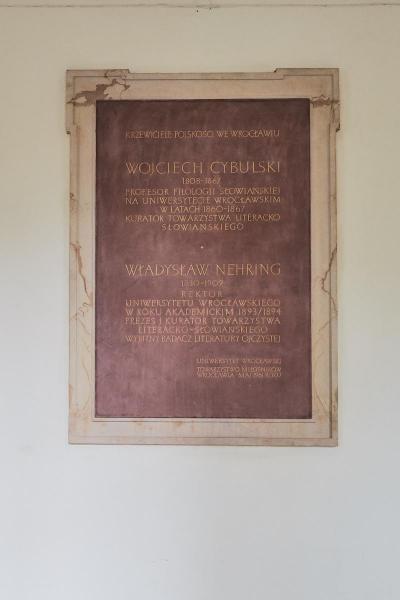
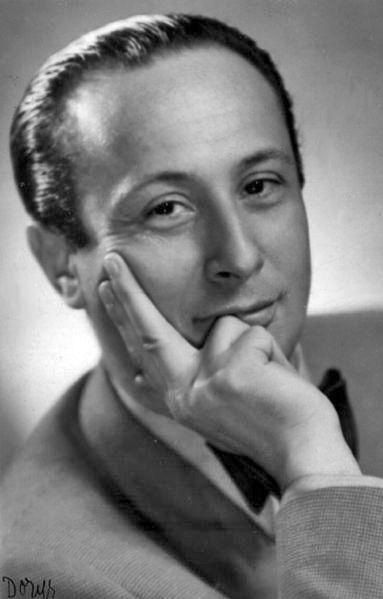
  • Memorial plaque for Wojciech Cybulski and Władysław Nehring - Main building of the University of Wrocław
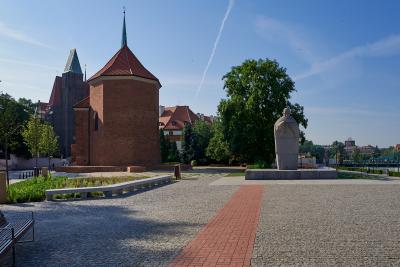
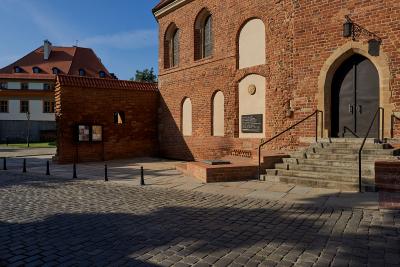
  • St. Martin's Church (Kościół św. Marcina) in Wrocław -
  • The monument to John XXIII. - Next to St. Martin's Church (Kościół św. Marcina) in Wrocław
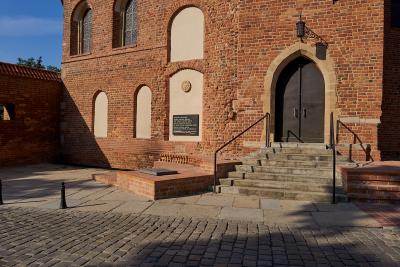
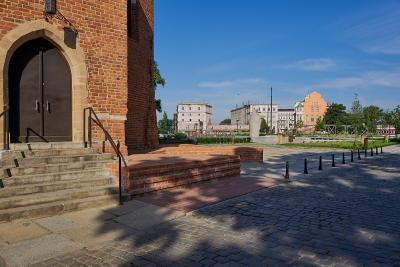
  • St. Martin's Church (Kościół św. Marcina) in Wrocław - The entrance and the memorial plaque and donor plaque
  • St. Martin's Church (Kościół św. Marcina) in Wrocław - Entrance
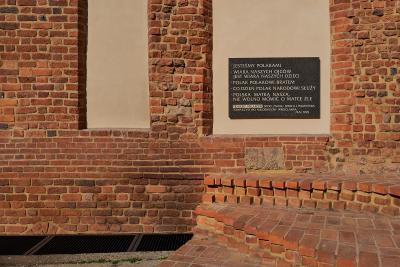
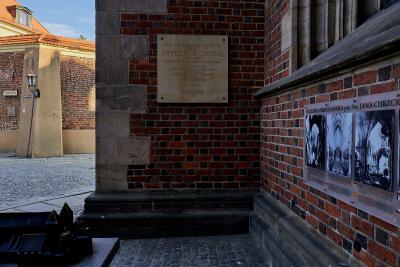
  • Memorial plaque with the ‘Truths of Poles under the Rodło Sign’ - Memorial plaque on St. Martin's Church, to the left of the entrance
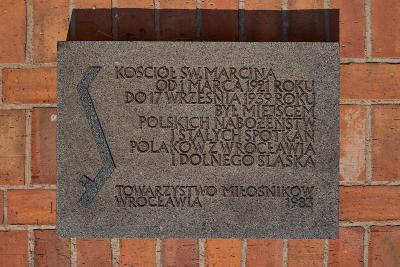
  • The memorial plaque was donated in 1983 by the ‘Towarzystwo Miłośników Wrocławia’ society - Floor-mounted, next to the entrance
  • The entrance to St. Martin's Church (Kościół św. Marcina) in Wrocław - On the right is the back of the monument to Pope John XXIII.
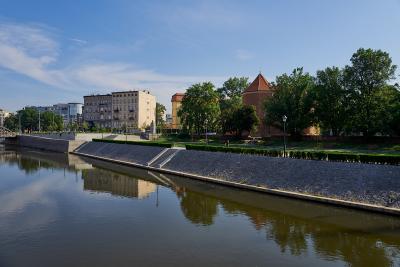
  • View of the St. Martin's Church (Kościół św. Marcina) in Wrocław - From the cathedral bridge over the Oder
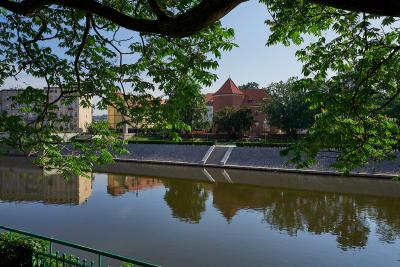
  • View of the St. Martin's Church (Kościół św. Marcina) in Wrocław - From the opposite bank of the River Oder
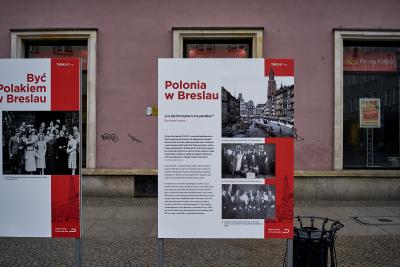
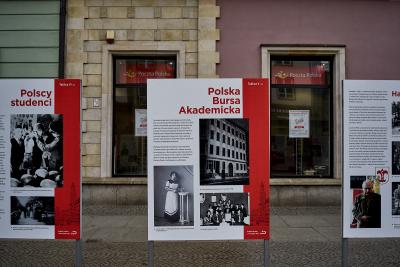
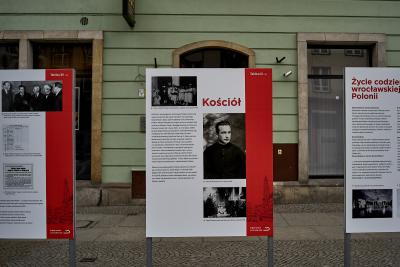
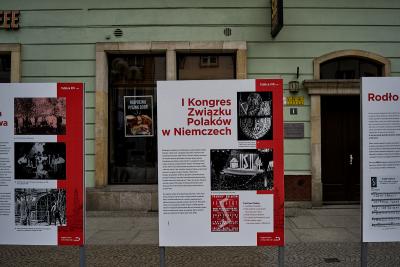
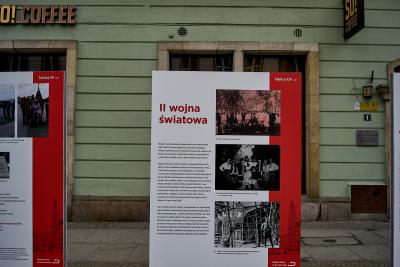
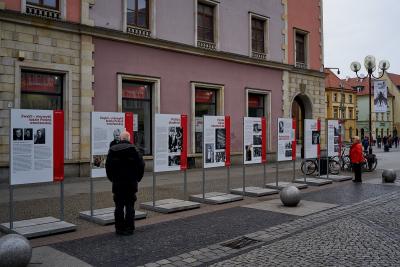
  • Exhibition in public space about the Polonia in Wrocław - Organised by the Centre for ‘Future and Remembrance’ (Ośrodek Pamięć i Przyszłość) in Wrocław. Panel I / XV.
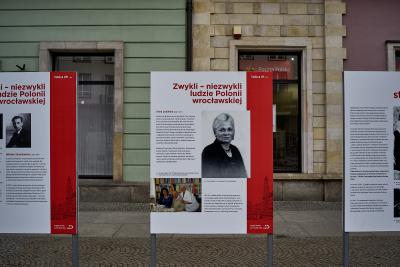
  • Exhibition in public space about the Polonia in Wrocław - Table V / XV
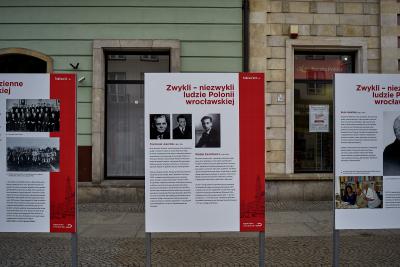
  • Exhibition in public space about the Polonia in Wrocław - Table VII / XV
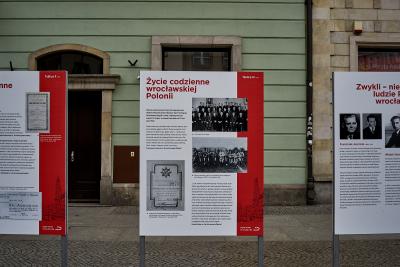
  • Exhibition in public space about the Polonia in Wrocław - Table VIII / XV
  • Exhibition in public space about the Polonia in Wrocław - Table IX / XV
  • Exhibition in public space about the Polonia in Wrocław - Table XI / XV
  • Exhibition in public space about the Polonia in Wrocław - Table XIII / XV
  • Exhibition in public space about the Polonia in Wrocław - Table XIV / XV
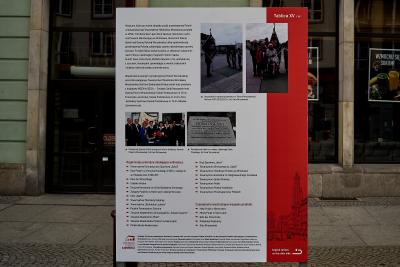
  • Exhibition in public space about the Polonia in Wrocław - Table XV / XV
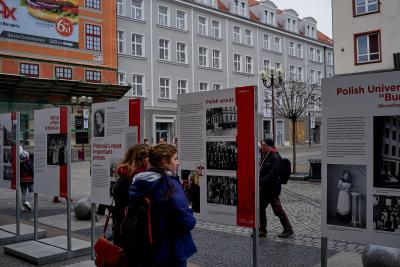
  • Public exhibition on the Polonia in Wrocław - Display boards and visitors
  • Exhibition in public space about the Polonia in Wrocław - Organised by the Centre for ‘Future and Remembrance’ (Ośrodek Pamięć i Przyszłość) in Wrocław
  • Exhibition in public space about the Polonia in Wrocław - Display boards and visitors, overview to the left
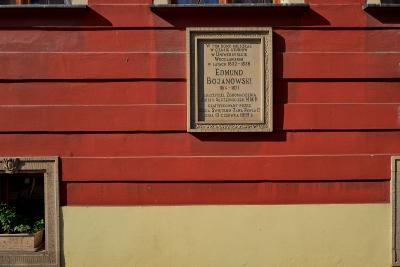
  • The memorial plaque for Edmund Bojanowski - Founder of the Congregation of the Handmaids of Mary Immaculate, beatified in 1999
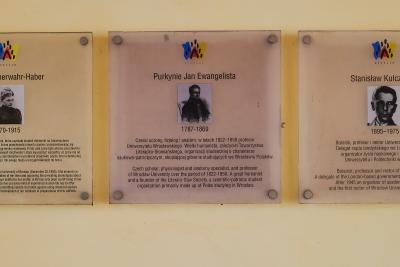
  • The memorial plaque for Jan Evangelista Purkyne - In the main building of the University of Wrocław.
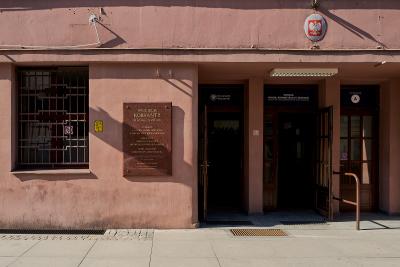
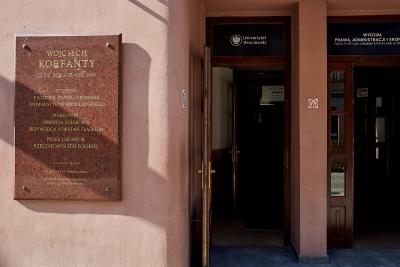
  • The Plaque for Wojciech Korfanty  - On the building of the Faculty of Law, Administration and Economics of the University of Wrocław.
  • The Plaque for Wojciech Korfanty  - Close-up of the contents of the commemorative plaque
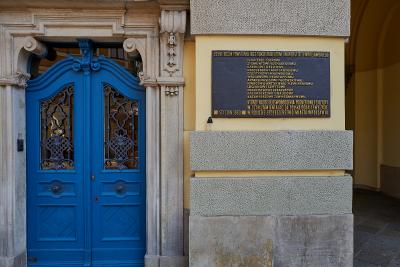
  • Memorial plaque to the Polish students who fought in the January Uprising of 1863 - At the portal on the university square near the Fechterbrunnen fountain
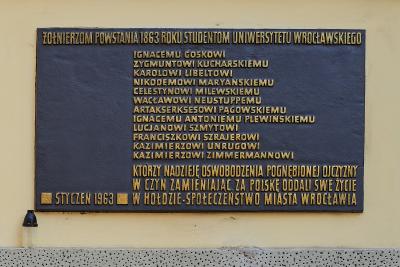
  • Memorial plaque to the Polish students who fought in the January Uprising of 1863 - On the main building of the University of Wrocław, donated in January 1963
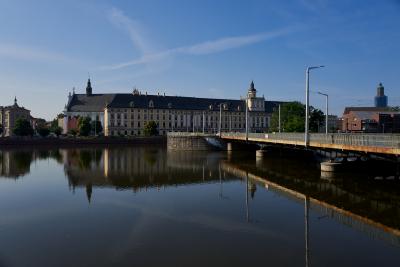
  • The main building of the University of Wrocław - The Oder River in the foreground
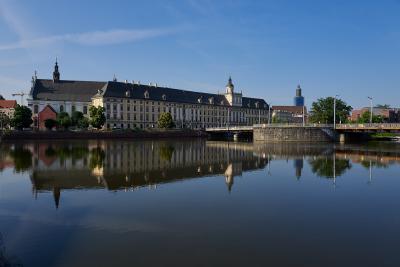
  • The main building of the University of Wrocław - View 2
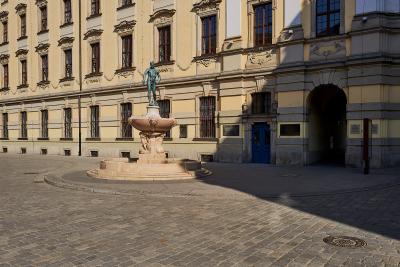
  • The fencing fountain  - On University Square in Wrocław.
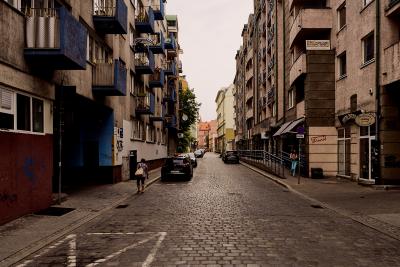
  • The street ‘Ulica Biskupia’ in Wrocław - Today's state
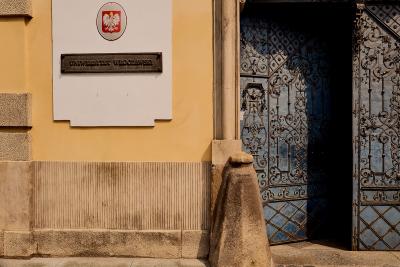
  • University of Wrocław - Sign next to the portal
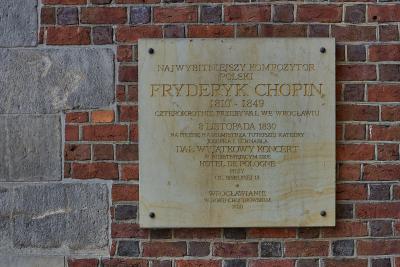
  • Memorial plaque of the concert by Fryderyk Chopin in Wrocław - On the Wroclaw Cathedral wall
  • The commemorative plaque was donated by the people of Breslau in 2010, the year of Chopin - On 8 November 1830, Chopin gave a concert at the Hotel de Pologne at the request of the local Kapellmeister of Breslau Cathedral.
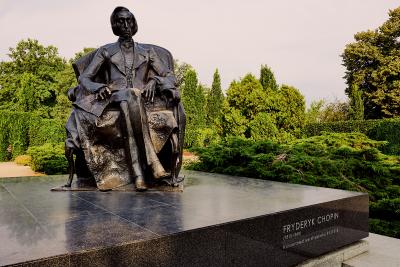
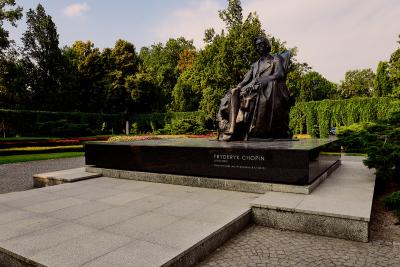
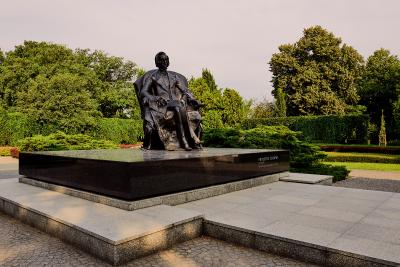
  • Monument to Fryderyk Chopin - South Park in Wrocław.
  • Monument to Fryderyk Chopin in Wrocław - Side view
  • Monument to Fryderyk Chopin in Wrocław - Close-up view of the statue of the composer.
For centuries, Poles were part of the history of Wrocław, the capital city of Silesia.

The interwar period
 

The situation for Poles in Wrocław changed after the end of the First World War thanks to the restoration of the Polish state and the resolutions of the Treaty of Versailles. The entry into force of the Treaty led to the founding of the Consulate of the Republic of Poland on 22 May 1920 (the first consulate was housed in an apartment building at Neue Gasse / Nowa 18, then in the house at Am Ohlauufer 2, today Słowackiego Street. This house is no longer standing.) The first consul was Eustachy Lorenowich. The status of ‘Polonia’, or Polish diaspora, was endowed upon the Polish citizens of Wrocław. Their rights, just like those of the entire Polish minority, were guaranteed in the German state by the constitution of the Weimar Republic.

The lack of acceptance of the provisions of the Treaty of Versailles, particularly those concerning the German-Polish border, led to conflicts between Poles and Germans. The Poles began to organise support for the people’s referendum in Upper Silesia. However, the meeting to appoint the plebiscite committee was broken up and its participants were beaten by the German militia.

Other incidents were also associated with the referendum. On 26 August 1920, following the demonstration against the referendum, which was held on the Schlossplatz, German demonstrators went to Neue Gasse / Nowa 18 (as well as the Polish Consulate, the “Polish school” and the library had also been located there since May of that year). They then entered the premises and destroyed them. Windows were broken, furniture destroyed, books thrown out of the window onto the street (a similar fate befell the French Consulate, which was held responsible for the provisions in the Treaty of Versailles that were unfavourable for Germany). The perpetrators were given mild sentences. The Republic of Poland demanded damages which it was not paid until several years later.

The year 1922 and the partitioning of Silesia were an important milestone in the history of Poles in Wrocław. Thousands of people left the city, including the most influential group of Polish intelligentsia. Only craftsmen and smaller merchants remained. It is estimated that there were still around 3,000 Poles in the city at this time.

Despite the hostility of some of the German residents and the fact that a large number of Poles were leaving the city, the remaining Poles tried to continue organisational life and ensure that the poor and needy were supported.