Menu toggle
Navigation

Poles in Breslau (until 1939)
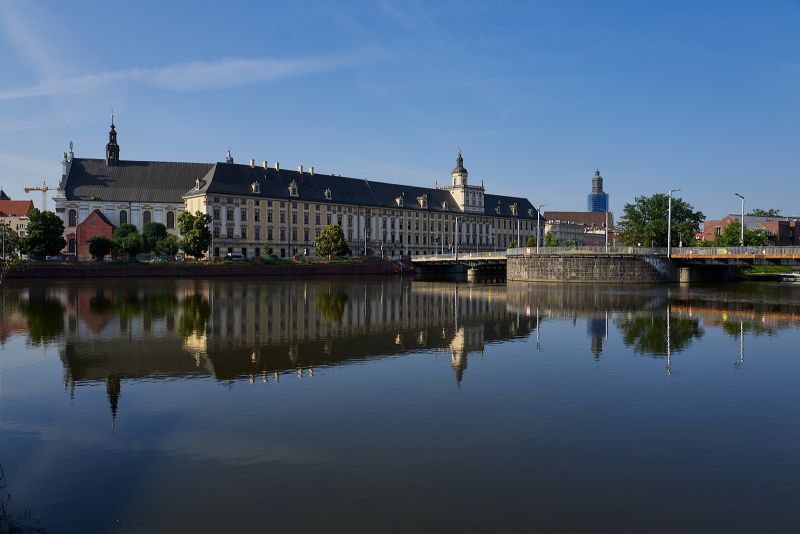
For centuries, Poles were part of the history of Wrocław, the capital city of Silesia.

Mediathek Sorted

Media library
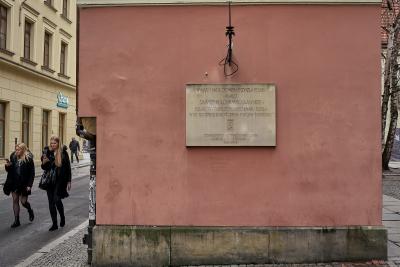
  • Memorial plaque in Wrocław  - Commemoration of the 55th anniversary of the end of the Second World War
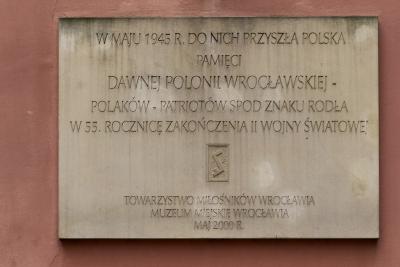
  • Memorial plaque in Wrocław  - Close-up
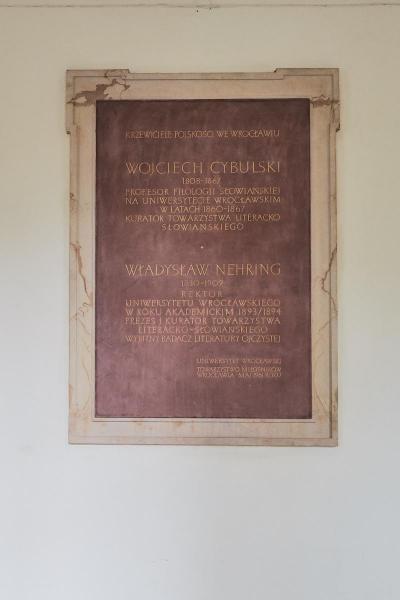
  • Memorial plaque for Wojciech Cybulski and Władysław Nehring - Main building of the University of Wrocław
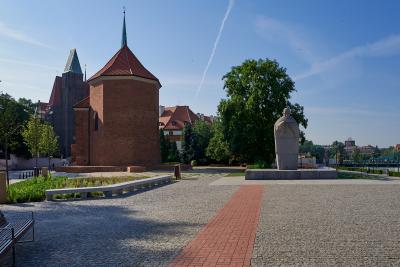
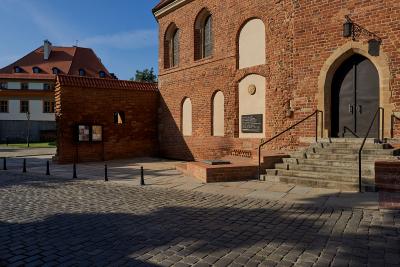
  • St. Martin's Church (Kościół św. Marcina) in Wrocław -
  • The monument to John XXIII. - Next to St. Martin's Church (Kościół św. Marcina) in Wrocław
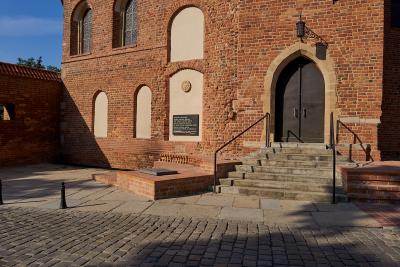
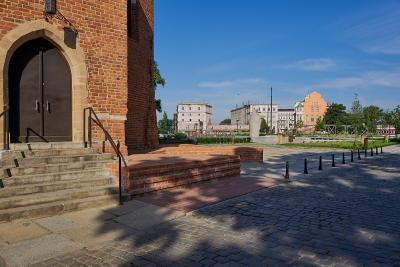
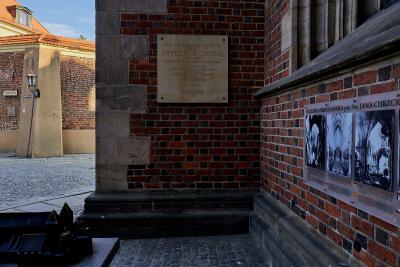
  • St. Martin's Church (Kościół św. Marcina) in Wrocław - The entrance and the memorial plaque and donor plaque
  • St. Martin's Church (Kościół św. Marcina) in Wrocław - Entrance
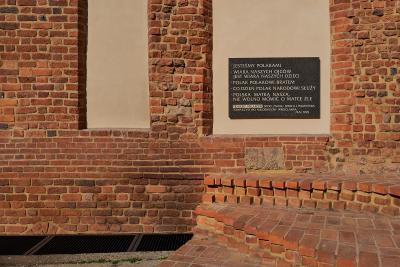
  • Memorial plaque with the ‘Truths of Poles under the Rodło Sign’ - Memorial plaque on St. Martin's Church, to the left of the entrance
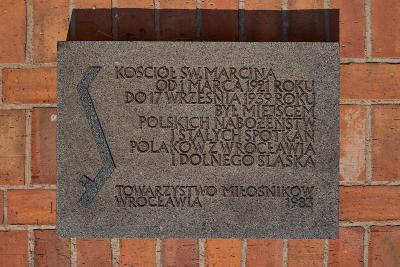
  • The memorial plaque was donated in 1983 by the ‘Towarzystwo Miłośników Wrocławia’ society - Floor-mounted, next to the entrance
  • The entrance to St. Martin's Church (Kościół św. Marcina) in Wrocław - On the right is the back of the monument to Pope John XXIII.
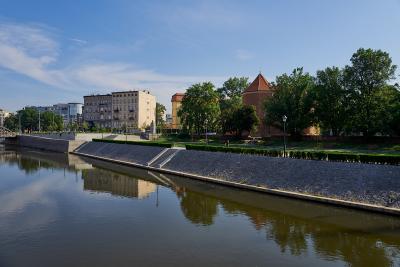
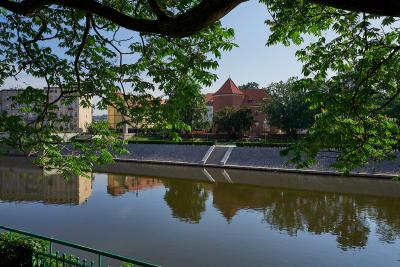
  • View of the St. Martin's Church (Kościół św. Marcina) in Wrocław - From the cathedral bridge over the Oder
  • View of the St. Martin's Church (Kościół św. Marcina) in Wrocław - From the opposite bank of the River Oder
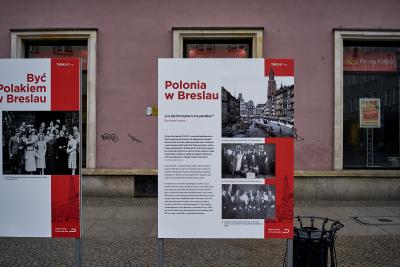
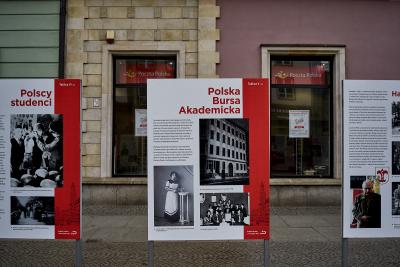
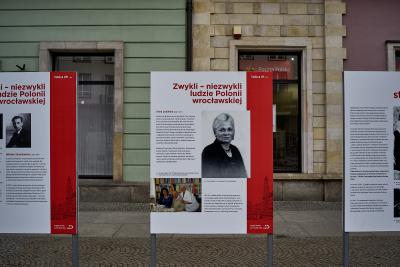
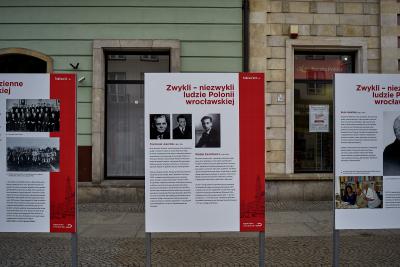
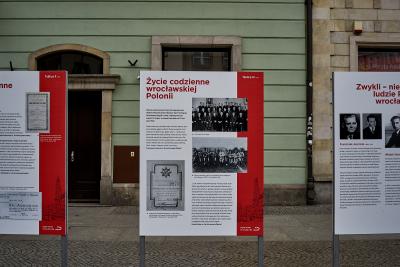
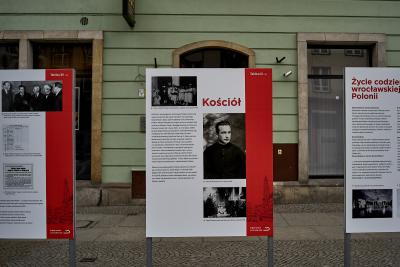
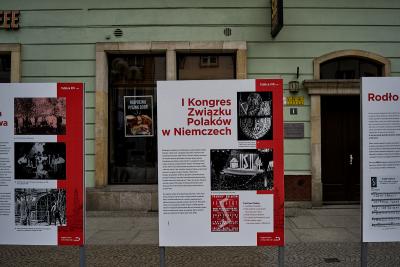
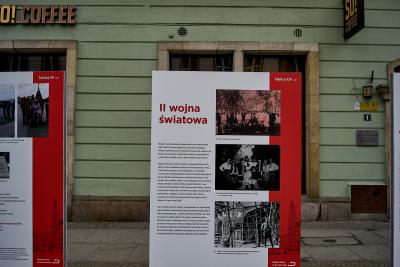
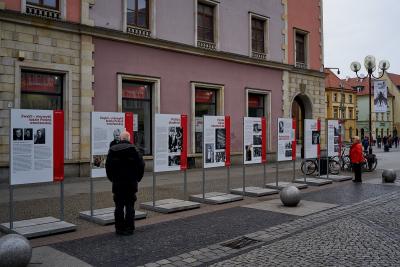
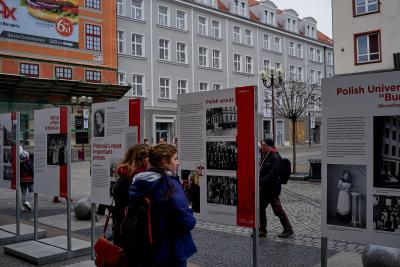
  • Exhibition in public space about the Polonia in Wrocław - Organised by the Centre for ‘Future and Remembrance’ (Ośrodek Pamięć i Przyszłość) in Wrocław. Panel I / XV.
  • Exhibition in public space about the Polonia in Wrocław - Table V / XV
  • Exhibition in public space about the Polonia in Wrocław - Table VII / XV
  • Exhibition in public space about the Polonia in Wrocław - Table VIII / XV
  • Exhibition in public space about the Polonia in Wrocław - Table IX / XV
  • Exhibition in public space about the Polonia in Wrocław - Table XI / XV
  • Exhibition in public space about the Polonia in Wrocław - Table XIII / XV
  • Exhibition in public space about the Polonia in Wrocław - Table XIV / XV
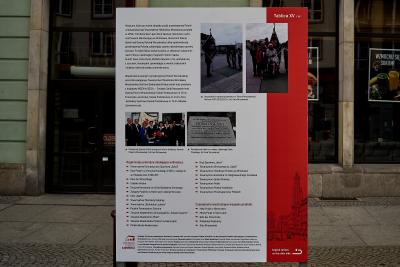
  • Exhibition in public space about the Polonia in Wrocław - Table XV / XV
  • Public exhibition on the Polonia in Wrocław - Display boards and visitors
  • Exhibition in public space about the Polonia in Wrocław - Organised by the Centre for ‘Future and Remembrance’ (Ośrodek Pamięć i Przyszłość) in Wrocław
  • Exhibition in public space about the Polonia in Wrocław - Display boards and visitors, overview to the left
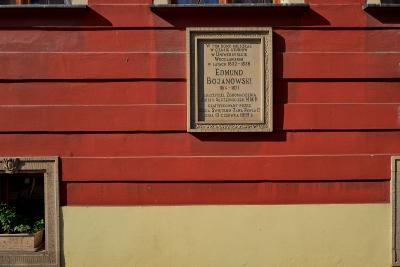
  • The memorial plaque for Edmund Bojanowski - Founder of the Congregation of the Handmaids of Mary Immaculate, beatified in 1999
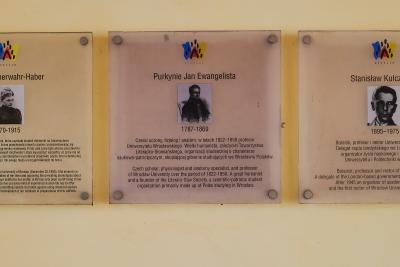
  • The memorial plaque for Jan Evangelista Purkyne - In the main building of the University of Wrocław.
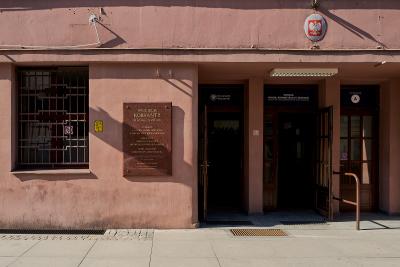
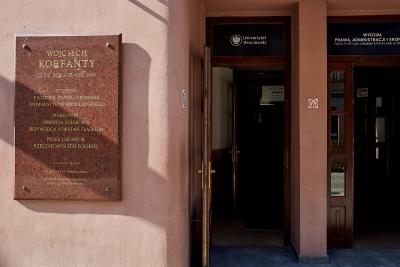
  • The Plaque for Wojciech Korfanty  - On the building of the Faculty of Law, Administration and Economics of the University of Wrocław.
  • The Plaque for Wojciech Korfanty  - Close-up of the contents of the commemorative plaque
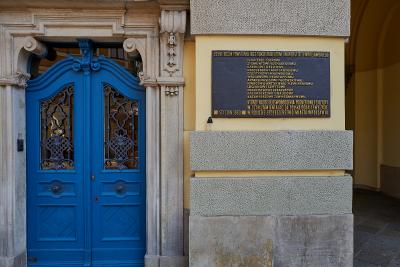
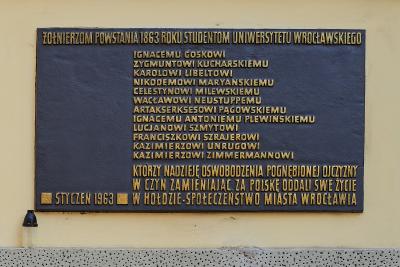
  • Memorial plaque to the Polish students who fought in the January Uprising of 1863 - At the portal on the university square near the Fechterbrunnen fountain
  • Memorial plaque to the Polish students who fought in the January Uprising of 1863 - On the main building of the University of Wrocław, donated in January 1963
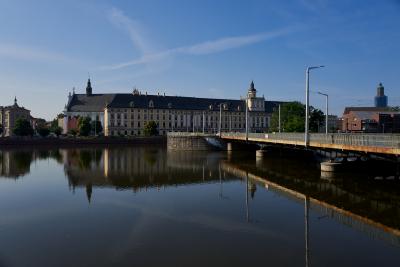
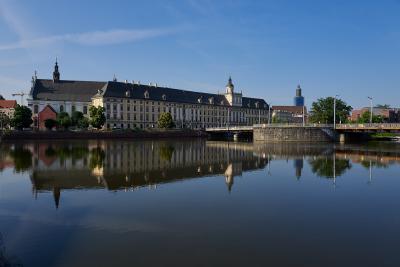
  • The main building of the University of Wrocław - The Oder River in the foreground
  • The main building of the University of Wrocław - View 2
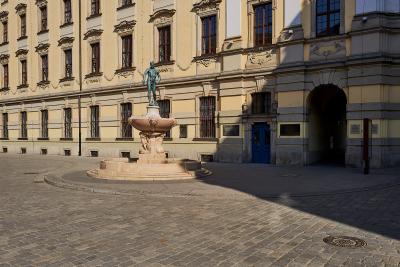
  • The fencing fountain  - On University Square in Wrocław.
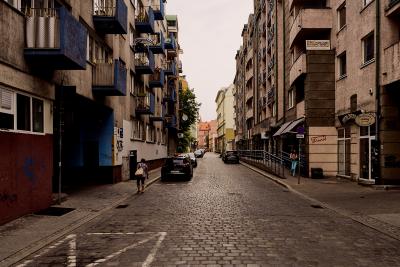
  • The street ‘Ulica Biskupia’ in Wrocław - Today's state
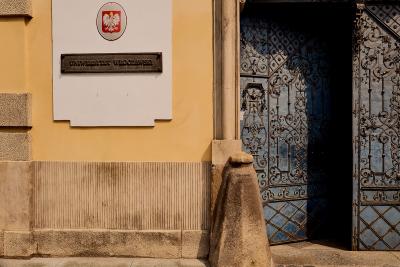
  • University of Wrocław - Sign next to the portal
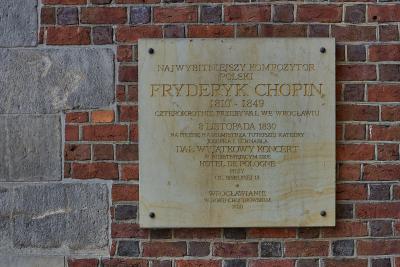
  • Memorial plaque of the concert by Fryderyk Chopin in Wrocław - On the Wroclaw Cathedral wall
  • The commemorative plaque was donated by the people of Breslau in 2010, the year of Chopin - On 8 November 1830, Chopin gave a concert at the Hotel de Pologne at the request of the local Kapellmeister of Breslau Cathedral.
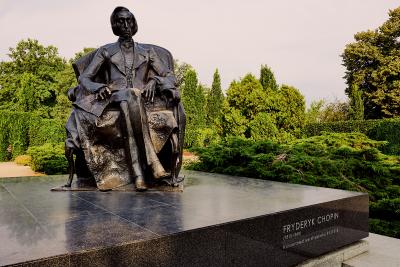
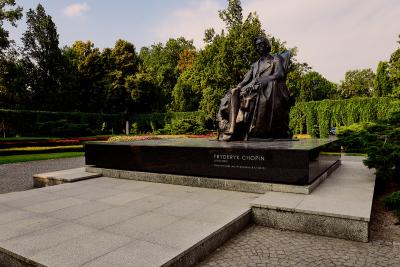
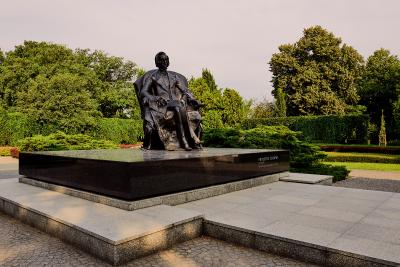
  • Monument to Fryderyk Chopin - South Park in Wrocław.
  • Monument to Fryderyk Chopin in Wrocław - Side view
  • Monument to Fryderyk Chopin in Wrocław - Close-up view of the statue of the composer.
For centuries, Poles were part of the history of Wrocław, the capital city of Silesia.

Sellers, craftsmen, domestic employees
 

In the 19th century, Poles began to arrive in Wrocław from the overpopulated regions of Wielkopolska and Upper Silesia. At first, they took on various types of casual work as long as they were earning their keep. They worked in industry, craft trades and services. 

“Service in inns and shoppers in stores – wrote Wincenty Pol in his travel diary of 1847 – at first glance and everywhere there will be at least one person in a local or commercial store who speaks good Polish. All inscriptions on shops were written in two languages. Even the Germans, the owners of estates, whose goods are near to where the locals speak Polish, are learning the language to meet the needs of the people”. (Pol, Dzieła ..., p. 179).

Some of the rules set out by the city authority, such as firefighting, were also published in the Polish and German language. 

“But”, as Teresa Kulak, an expert in the history of Silesia, commented “the overall image of the town was dominated by the German language and culture to which to the Jewish population adapted more and more”. (Kulak, Historia Wrocławia…, p. 47).

Many representatives of the Polish intelligentsia, mainly doctors, solicitors and members of land owner’s families from Wielkopolska and Pomerania, also lived in Wrocław. 

Over time, the Poles also made their presence felt among the ranks of the wealthy bourgeoisie. The Poles opened businesses, workshops, hotels, pharmacies and chemists, some even had small factories. It is estimated that around 20,000 Poles were living in Wrocław at the turn of the 20th century (the official German statistics gave the number as 7,000-8,000 people).

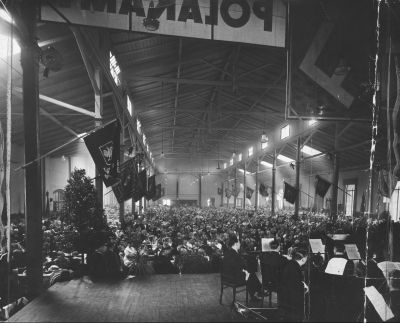
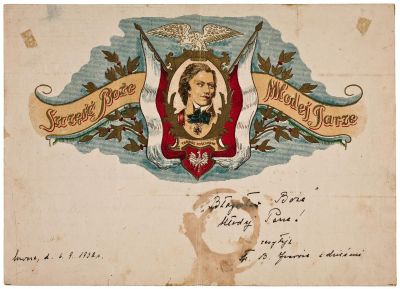
Polish community life was played out in various rented halls. National holidays were organised and important personalities from Polish history and culture were remembered. Charity events (such as presents for poor children before Christmas) attracted a lot of attention. Popular dance evenings were held in Vinzenzhaus (today Frycza Modrzewskiego street). Even the German population got involved.