Menu toggle
Navigation

Poles in Germany. Roads to visibility

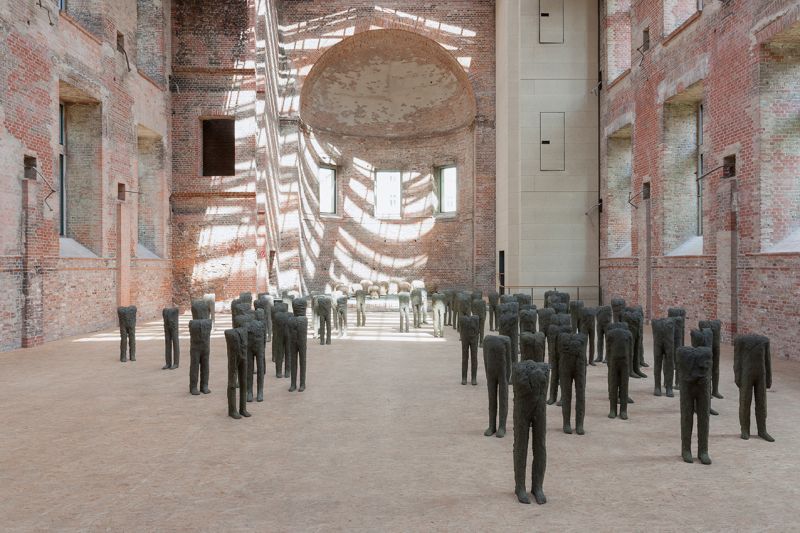
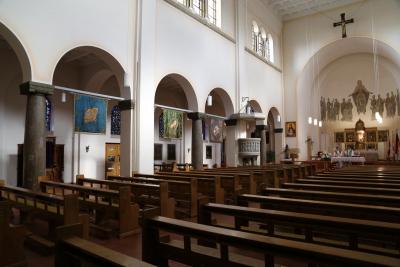
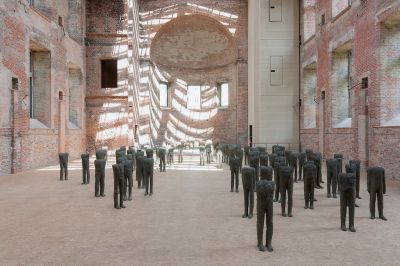
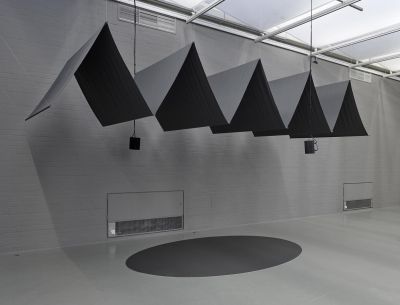
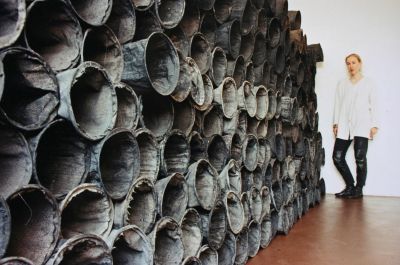
Magdalena Abakanowicz, Bambini, 1998. Ausstellungsansicht in der St. Elisabeth-Kirche, Berlin, Gallery Weekend 2015, Galerie ŻAK | BRANICKA, Berlin

Mediathek Sorted
Media library
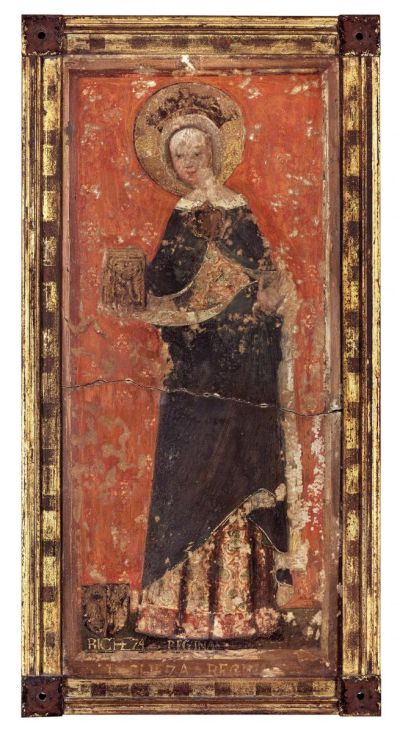
  • Portrait in the Chapel of St John in Cologne Cathedral - At the tomb of Queen Richeza
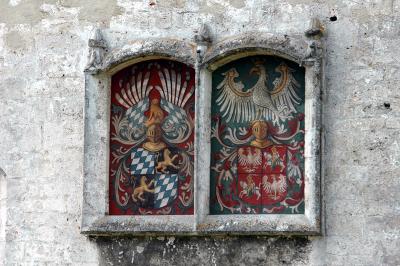
  • Bavarian-Polish alliance coat of arms on St George's Gate from 1494 - The coats-of-arms of Hedwig Jagiellonica and Georg the Rich of Bavaria-Landshut in the castle at Burghausen.
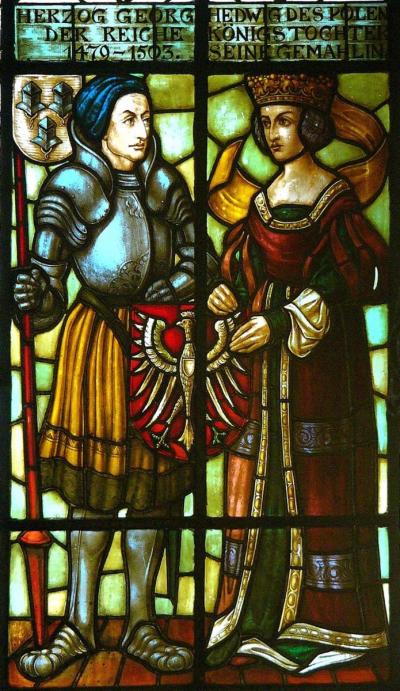
  • A stained glass painting in the Landshut town hall. - Window in the main staircase, 1880. They depict George the Rich and Hedwig of Poland.
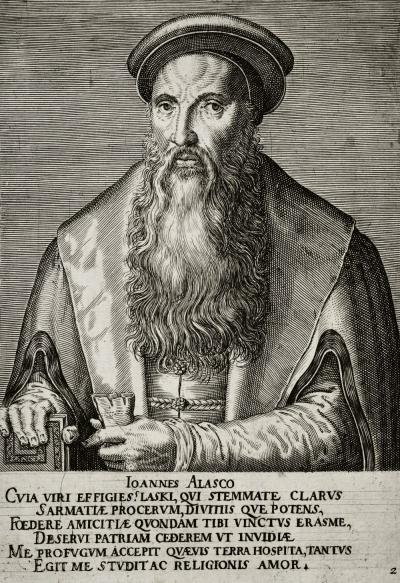
  • Philips Galle (1537-1612): Joannes Alasco, 1567. Copperplate engraving, 17.7 x 12.5 cm, from a series of 36 copperplate engravings entitled “Virorum doctorum de disciplines benemerenium effigies” - Born into the family of a Polish magnate in 1499, Jan Łaski, whose Latin name is Johannes a Lasco, is predestined for a prominent political and theological career.
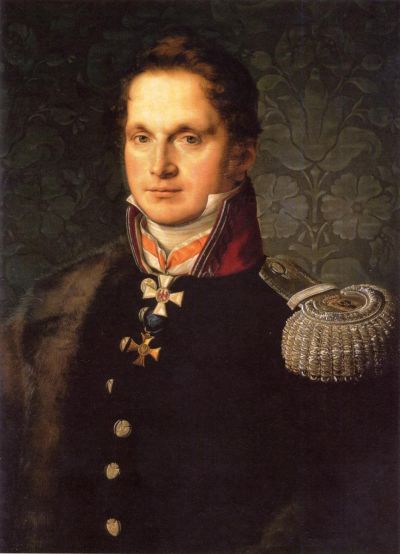
  • Count Athanasius Raczyński - Painting of Carl Wilhelm Wach, 1826
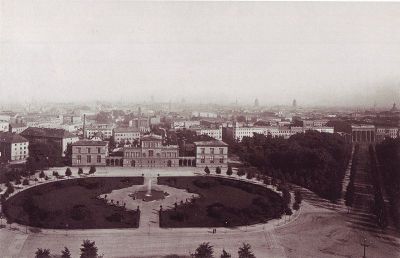
  • The Raczynski Palace  - At Königsplatz in Berlin, ca. 1875
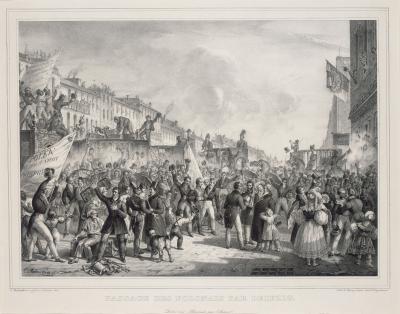
  • Welcome to the Poles in Leipzig in 1830 - Guillaume Thierry, lithograph based on a drawing by Charles Malankiewicz, 39.8 x 48.7 cm, 1830/31
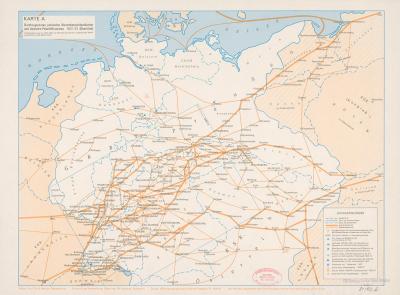
  • Transit routes - Transit routes taken by Polish fighters in the November uprising and the German organisations providing help to Poland 1831 – 1833 (overview). H. Asmus, 1981
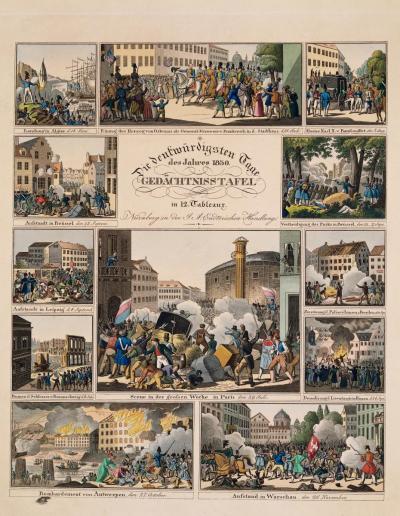
  • The Most Memorable Days in the Year 1830, a memorial tablet in 12 tableaux - Verlag Johann Andreas Endter, Nürnberg, 1830, engraving, coloured, 30.3 x 43.5 cm
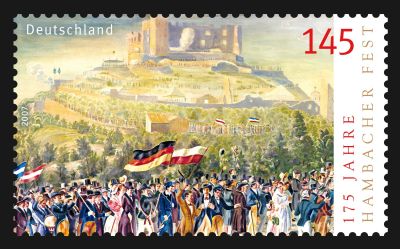
  • Anniversary stamp "175 years of the Hambach Festival" - Deutsche Post special-issue stamp 2007
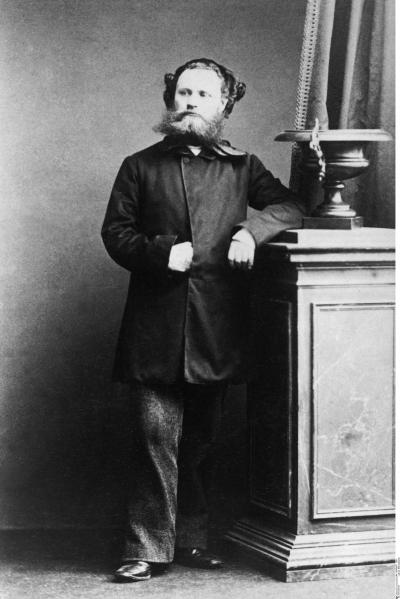
  • Ludwik Mierosławski (1814–1878) - Polish revolutionary. Leader in the Polish uprisings of 1830, 1846 and 1864, photograph taken around 1850.
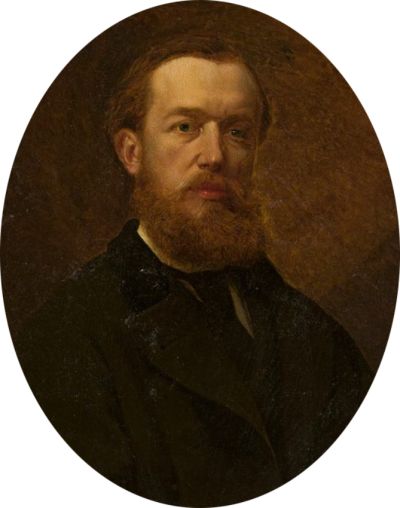
  • Portrait of Kraszewski around the year 1879 -
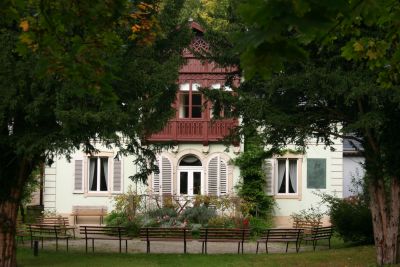
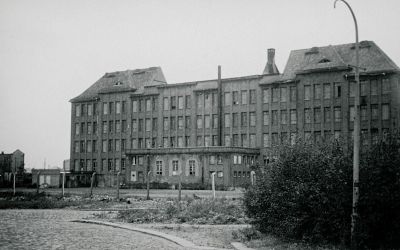
  • Photo of the building - 2010
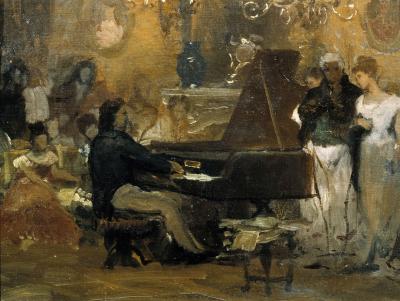
  • ‘Chopin plays in the salon of Prince Anton Radziwill in Berlin’ - A painting by Henryk Siemiradzki (1843–1902), circa 1880, Saint Petersburg, State Russian Museum
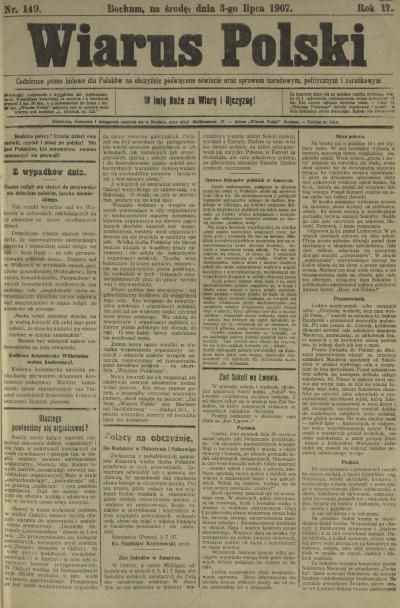
  • Wiarus Polski, Bochum - Issue dated 3 July 1907
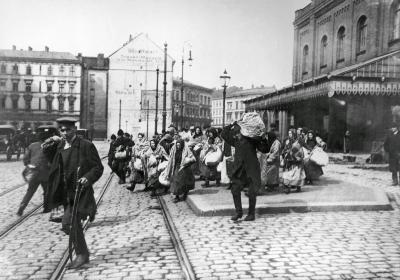
  • Sachsengänger - Upon arrival in Berlin, 1909
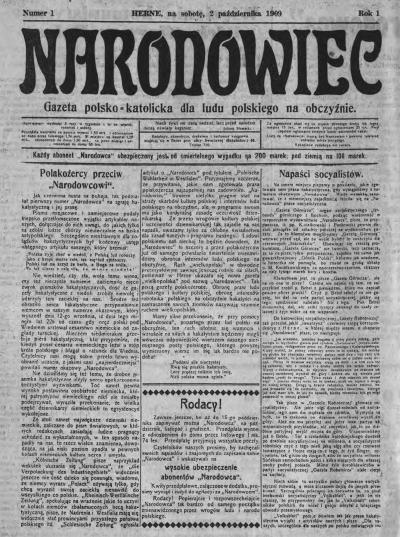
  • Cover page of the first edition of “Narodowiec” - Herne, 2 October 1909, in: “Polak w Niemczech”, Bochum 1972, p. 44.
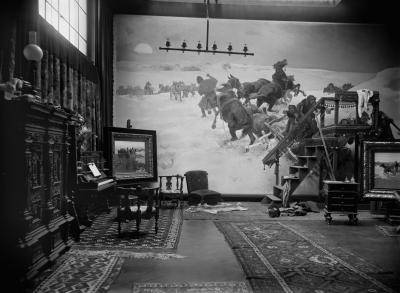
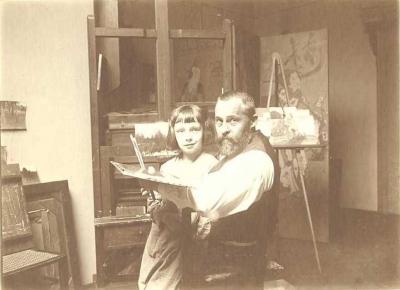
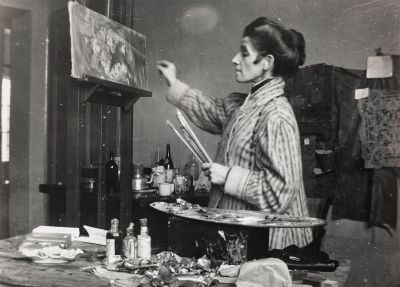
  • Carl Teufel: Alfred Wierusz-Kowalski's artist studio - Munich 1889. Black-and-white photograph from glass negative, 18 x 24 cm
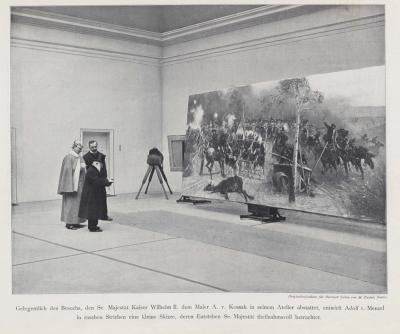
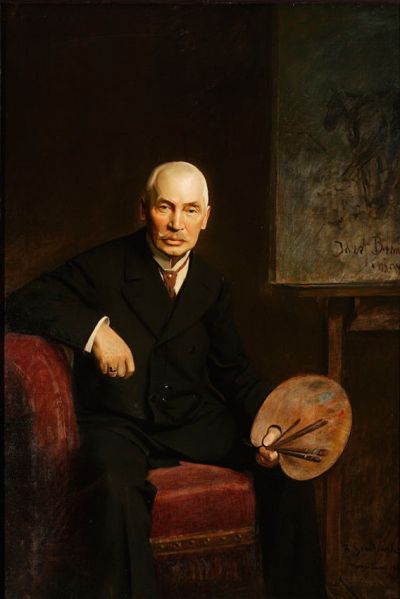
  • Kaiser Wilhelm II and Adolf v. Menzel in the atelier of the painter Adalbert von Kossak. - In: Berliner Leben. Zeitschrift für Schönheit und Kunst, Berlin 1899, p. 41.
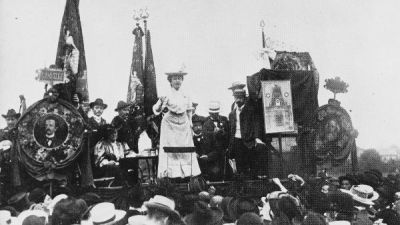
  • Speaking at the International Socialist Congress in Stuttgart - Rosa Luxemburg, August 1907.
  • Helena and Stanisław Sierakowski, wedding photograph, 1910 - Stanisław Sierakowski – the first chairman of the Union of Poles in Germany ‘Rodło’
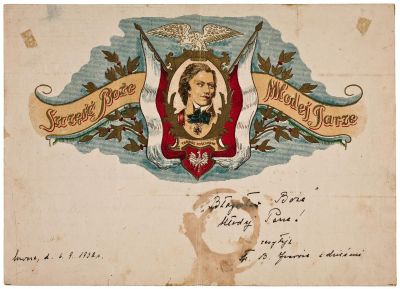
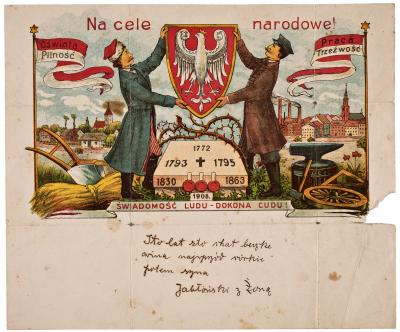
  • Wedding telegram from the Breslau Polonia, 1913 - With two men in Polish national costumes and a cartouche with a white eagle, colour print
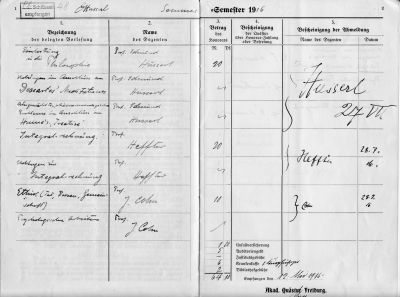
  • Study record Albert-Ludwigs-University of Freiburg - With contributions by Edmund Husserl, 1916
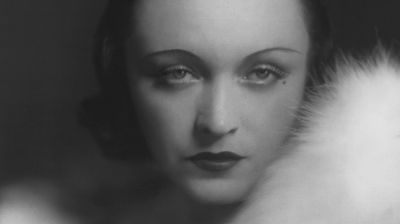
  • „Pola Negri - unsterblich“ [‘Pola Negri - immortal’] - A film documentary about the life and work of one of Germany's greatest silent film stars of Polish origin. (German)

    „Pola Negri - unsterblich“ [‘Pola Negri - immortal’]

    A film documentary about the life and work of one of Germany's greatest silent film stars of Polish origin. (German)
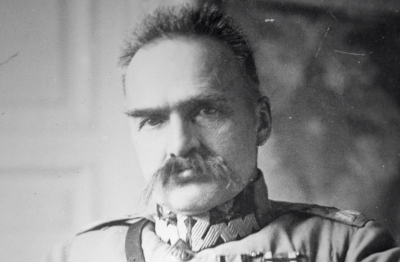
  • ‘Three Days in November: Józef Piłsudski and Polish Independence in 1918’ - A film about a Polish myth, made under the direction of Krzysztof Ruchniewicz and Jochen Böhler, produced by Porta Polonica and LWL. In German, undated.

    ‘Three Days in November: Józef Piłsudski and Polish Independence in 1918’

    A film about a Polish myth, made under the direction of Krzysztof Ruchniewicz and Jochen Böhler, produced by Porta Polonica and LWL. In German, undated.
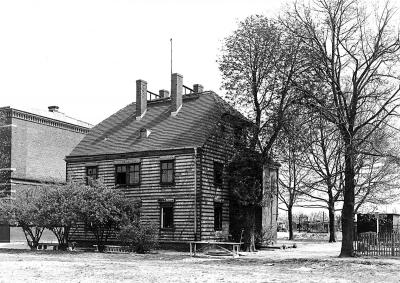
  • The house in the Magdeburg Fortress where Józef Piłsudski was interned -
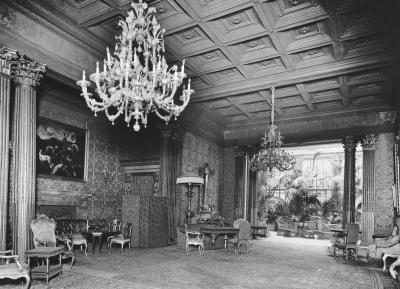
  • View of the “Red Salon” and the winter garden of the building - Radziwill Palais, ca. 1927
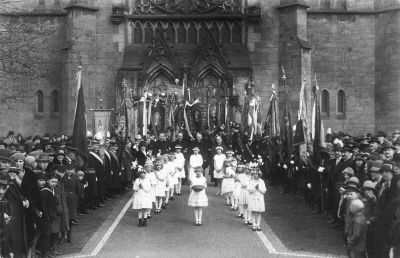
  • Religious ceremony ‘Faith of Our Fathers’ in Herne, 1930 - Delegations from Polish organisations leave the Catholic Church carrying banners. A group of flower girls can be seen at the front.
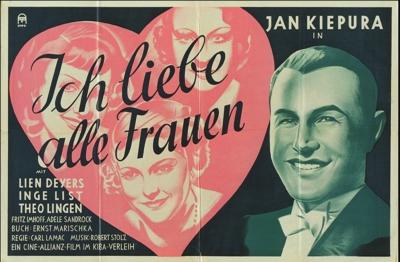
  • Advertising poster for the film ‘I Love All Women’ (1935) - Starring Jan Kiepura in the lead role
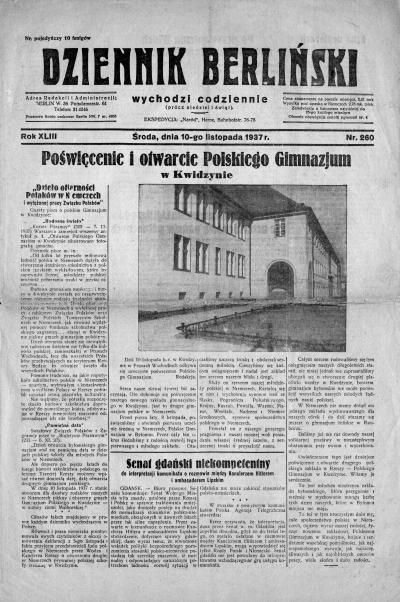
  • Dziennik Berlińskim, 10 November 1937 edition - With the cover story about the opening of the Polish secondary school in Marienwerder (Polish: Kwidzyń) in East Prussia.
  • Parents with children, Herne 1936 - From left to right at the back: Luzie (later Ikemann), Irene, Władysława (née Hałas), Johann, Marian; from left to right in the front: Alfons and Josef
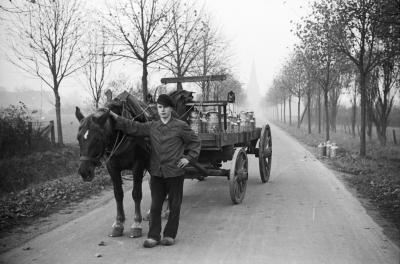
  • Polish forced labourer from the Schweers farm (Borken district) delivering milk, approx. 1943 - Ignaz Böckenhoff Collection: The village of Raesfeld in the 1930s to 1960s
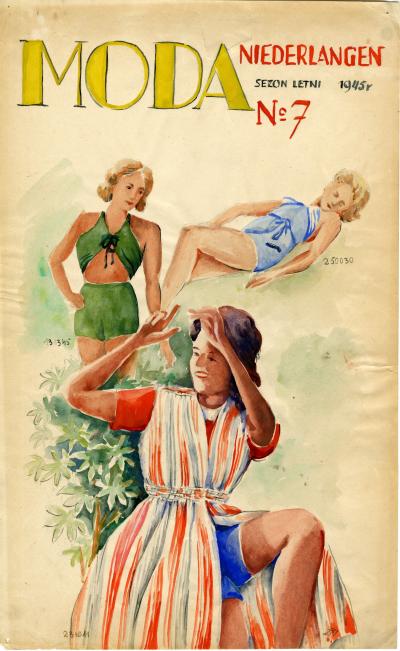
  • Polish fashion magazine ‘Moda’ in Niederlangen (Emsland), 1945 - Shortly after the liberation of the former prisoner-of-war camp for the participants of the Warsaw Uprising, the magazine's cover announced a new fashion collection (partly made from uniforms) for the summer of 1945.
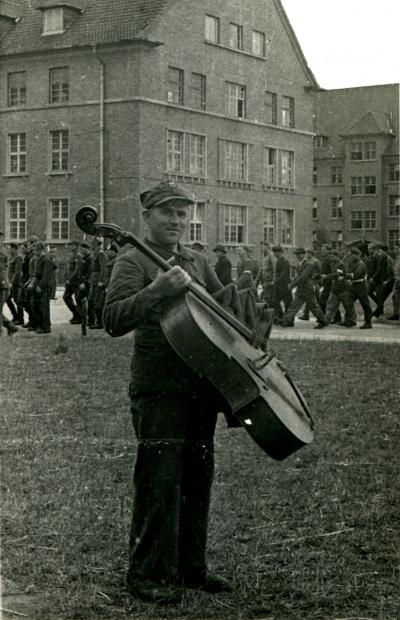
  • Wilhelmshaven, May 1945 - Soldier of General Stanisław Maczek's Polish 1st Armoured Division in the barracks courtyard
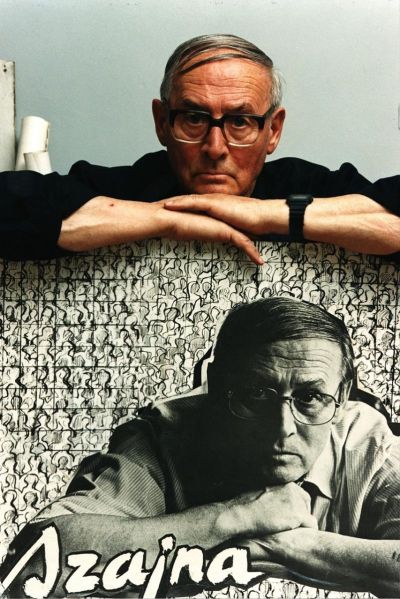
  • Józef Szajna in Maczków, 1946 - Today Haren on the Ems
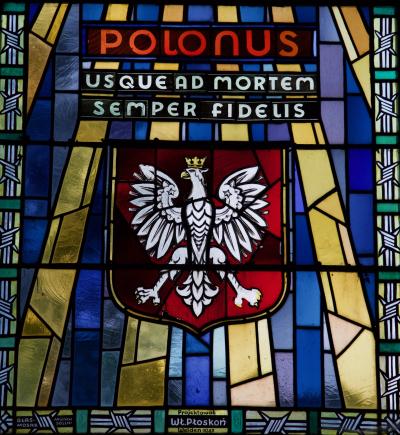
  • A stained glass window from the cemetery chapel built by Polish displaced persons in 1946–47, 1947 - On the grounds of the former Flossenbürg concentration camp (detail) based on a design by Władysław Płoskoń
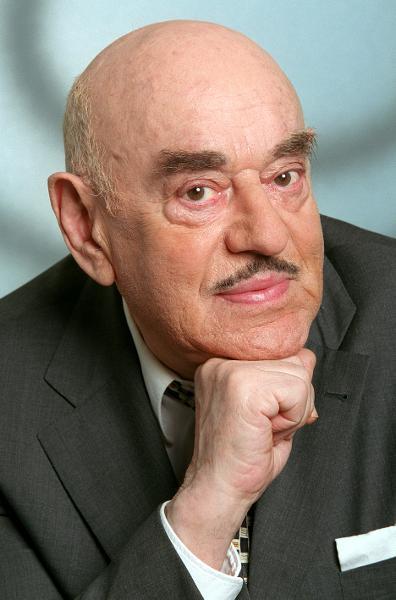
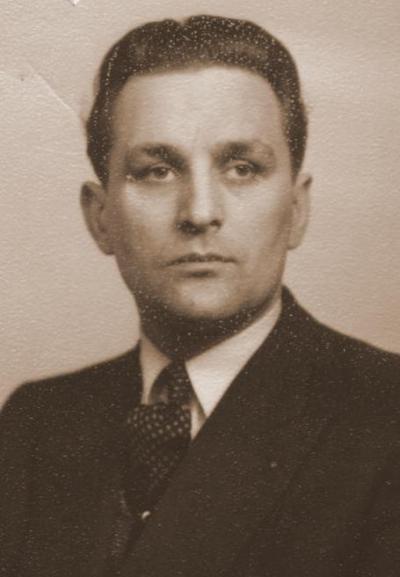
  • The film producer Artur ‘Atze’ Brauner - The photo was taken on 25th January 2002 in Leipzig when he was there for the mdr talkshow "Riverboat".
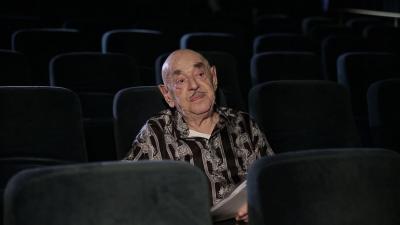
  • Artur Brauner - Ein Jahrhundertleben zwischen Polen und Deutschland - Artur Brauner - A century of life between Poland and Germany. A film documentary about the legendary personality of German and international film. (German)
    Artur Brauner - Ein Jahrhundertleben zwischen Polen und Deutschland
    Artur Brauner - A century of life between Poland and Germany. A film documentary about the legendary personality of German and international film. (German)
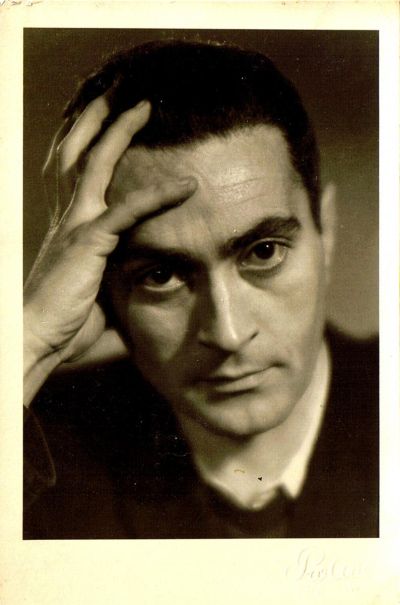
  • Tadeusz Nowakowski - Profile image, ca. 1950
  • Teresa Nowakowski (101) talking to her son Krzysztof - London 2019 (in Polish)

    Teresa Nowakowski (101) talking to her son Krzysztof

    London 2019 (in Polish)
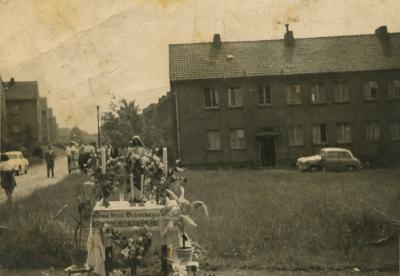
  • Corpus Christi in the settlement for Polish displaced persons in Dortmund Eving, 1951 - An altar made by the Polish DP family Sokołowski for the Corpus Christi procession
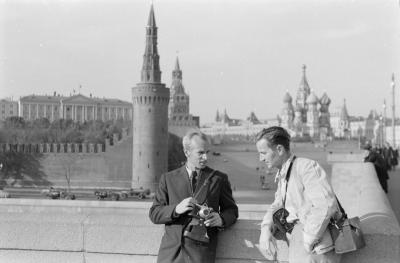
  • Stefan Arczyński (right) with a friend in Moscow, 1956 - Photographer unknown
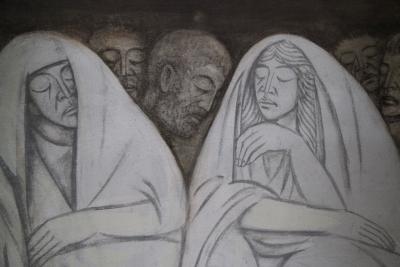
  • Mieczysław Wejman, ‘Sleep is the brother of death’ - A fresco by a professor at the Krakow Academy of Fine Arts (fragment) commemorating 428 Polish children and 116 adults who died in the Wildflecken DP camp between 1945 and 1948, Wildflecken cemetery chapel, 1971
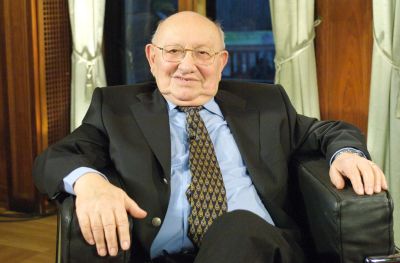
  • Marcel Reich-Ranicki in the ZDF studio - Programme title: Due to the occasion - Marcel Reich-Ranicki talks to Thomas Gottschalk, 17.10.2008
  • Karol Broniatowski's memorial to the deported Jews of Berlin - Film by Liu Ke, 2011

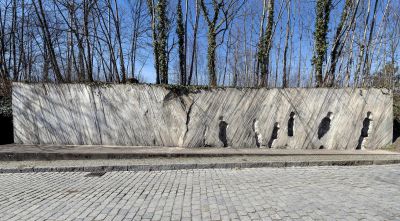
    Karol Broniatowski's memorial to the deported Jews of Berlin

    Film by Liu Ke, 2011
  • Historical association flags of the Union of Poles in Germany - Photo from St Anne's Church of the Polish Catholic Mission in Dortmund. The flags are part of the Porta Polonica collection
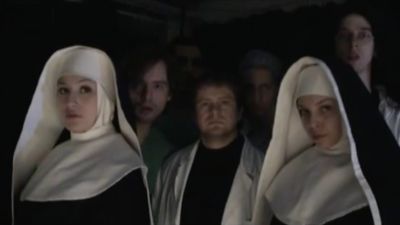
  • Film ‘The Madman and the Nun’ - St. Ignacy Witkiewicz, Transform Film Studio - Directed by Janina Szarek, 2005

    Film ‘The Madman and the Nun’ - St. Ignacy Witkiewicz, Transform Film Studio

    Directed by Janina Szarek, 2005
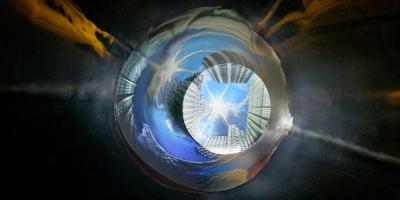
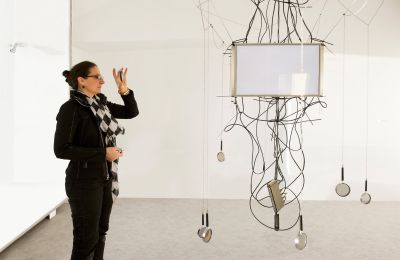
  • WORMHOLE, 2008 - A video installation in a public space. Steel construction, glass, video, monitor, DVD player. Ø = 100 cm, H = 110 cm. Copyright: Karina Smigla-Bobinski.

    WORMHOLE, 2008

    A video installation in a public space. Steel construction, glass, video, monitor, DVD player. Ø = 100 cm, H = 110 cm. Copyright: Karina Smigla-Bobinski.
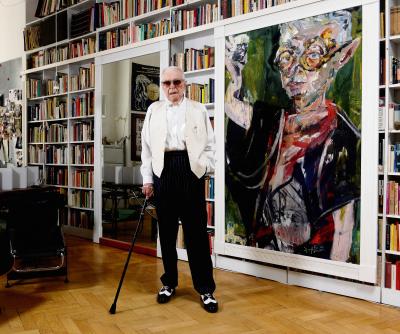
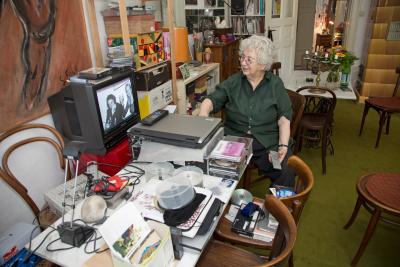
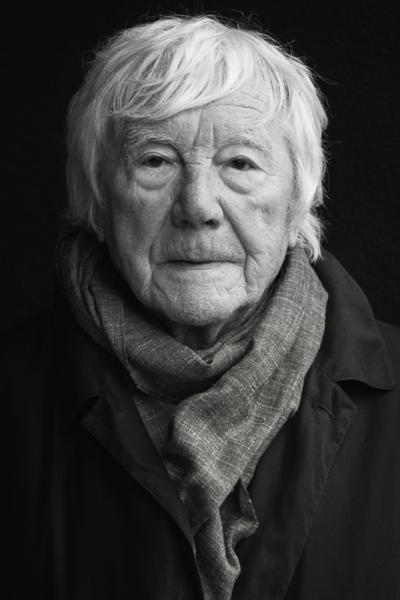
  • Andrzej Wirth in his apartment in Berlin - Photograph taken on his 90th birthday, 2017
  • Interview with Leszek Zadlo - German only

    Interview with Leszek Zadlo

    German only
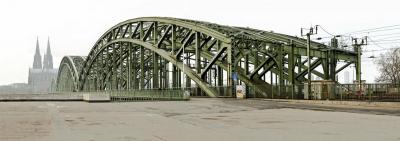
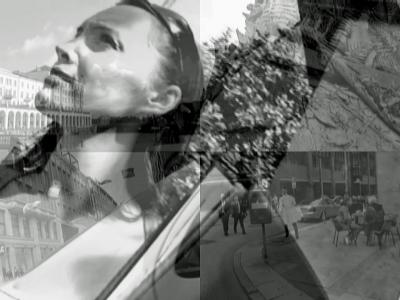
  • “Cologne, Hohenzollern bridge” - From the series “Urban Spaces”, Inkjet photo print, 85 x 240 cm.
  • ZEITFLUG - Hamburg - From ‘Urban Spaces’, 2008, video: 12:00 min. Stefan Szczygieł. Courtesy: Claus Friede*Contemporary Art

    ZEITFLUG - Hamburg

    From ‘Urban Spaces’, 2008, video: 12:00 min. Stefan Szczygieł. Courtesy: Claus Friede*Contemporary Art
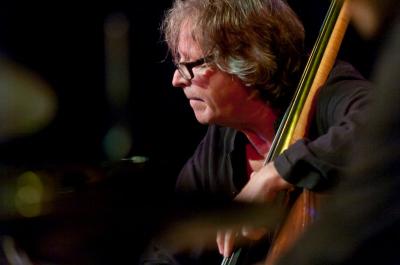
  • On the double bass 2. - 2016
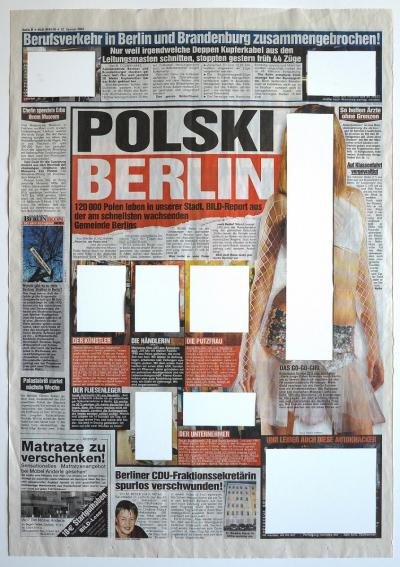
  • ill. 17b: Empty Images, 2000/2006 - Bild (Berlin), 12th January 2006.
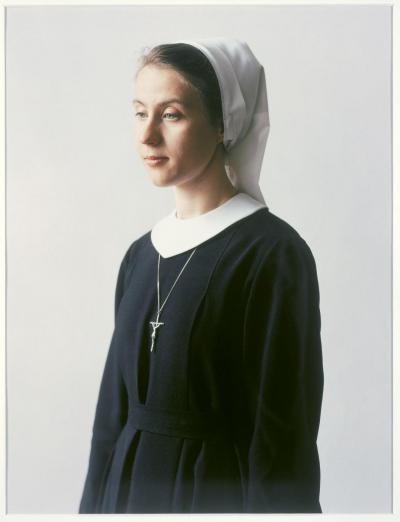
  • Monika Czosnowska: Johanna - 2004, C-print, 78 x 66 cm, Marta Herford Collection
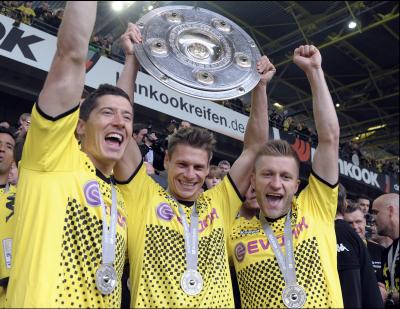
  • Polonia Dortmund - Robert Lewandowski, Łukasz Piszczek and Jakub Błaszczykowski from Borussia Dortmund – Champion of Bundesliga 2012
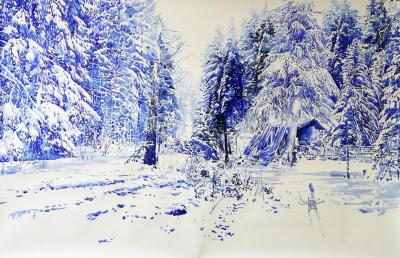
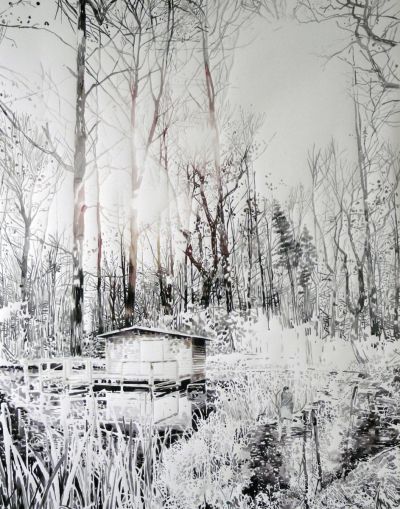
  • ‘In blue’ - 2015, Watercolour, felt-tip pen on paper, 100 x 150 cm.
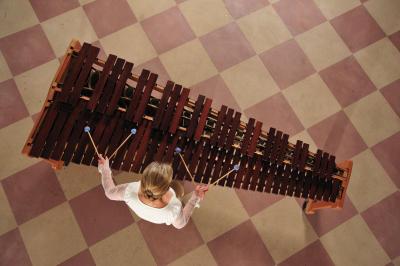
  • Katarzyna Myćka at her instrument - Photo during the concert 2015
  • The Planet by Susanna Fels - An art film by Susanna Fels with photographs by Annette Hudemann, among others, in German, 2019

    The Planet by Susanna Fels

    An art film by Susanna Fels with photographs by Annette Hudemann, among others, in German, 2019
  • Agata Madejska, RISE, 2018 - Installation view: Impuls Bauhaus, Zeche Zollverein, Essen, 2019
Magdalena Abakanowicz, Bambini, 1998
Magdalena Abakanowicz, Bambini, 1998. Ausstellungsansicht in der St. Elisabeth-Kirche, Berlin, Gallery Weekend 2015, Galerie ŻAK | BRANICKA, Berlin

Auswahl weiterer Beiträge auf unserem Portal:


Künstlerinnen und Künstler

Helena Bohle-Szacki, jüdisch-polnische Modedesignerin der Nachkriegszeit und Zeitzeugin der NS-Zwangsarbeit, *1928 in Białystok, †2011 in Berlin.

Karol Broniatowski, polnischer Bildhauer, *1945 in Łódź, lebt in Berlin.

Monika Czosnowska, Fotografin, *1977 in Szczecin/Stettin, lebt in Berlin.

Jeremias Falck, bedeutender Kupferstecher, *1610 oder 1619 in Danzig, †1664 in Hamburg.

Małgosia Jankowska, polnische Malerin, *1978 in Sochaczew, lebt in Berlin.

Danuta Karsten, polnische Künstlerin, *1963 in Mała Słońca, lebt in Recklinghausen und Herne.

Marta Klonowska, polnische Künstlerin und Glasmacherin, *1964 in Warschau, lebt in Düsseldorf und Warschau.

Agata Madejska, polnische Künstlerin, *1979 in Warschau, lebt in London.

Roland Schefferski, deutsch-polnischer Objekt- und Installationskünstler, *1956 in Katowice, lebt in Berlin.

Karina Smigla-Bobinski, deutsch-polnische Intermedia-Künstlerin, *1967 in Szczecin/Stettin, lebt in München.

Marian Stefanowski, deutsch-polnischer Fotograf, lebt in Berlin.

Stefan Szczygieł, deutsch-polnischer Künstler und Fotograf, *1961 in Warschau, †2011 ebenda.

Stanisław Toegel, Zeitzeuge der NS-Zwangsarbeit und international bekannter Karikaturist, *1905 in Jaworów (heute Jaworiw), †1953 in Bytom.

Jan de Weryha-Wysoczański, polnischer Bildhauer und Vertreter der Konkreten Kunst, *1950 in Gdańsk/Danzig, lebt in Hamburg.


Literatur- und Kulturschaffende

Artur Brauner, polnisch-jüdischer Filmproduzent, *1918 in Łódź, †2019 in Berlin.

Brygida Helbig, eigentlich Dr. Brigitta Helbig-Mischewski, Pseudonym Anna Maria Birkenwald), deutsch-polnische Schriftstellerin, *1963 in Szczecin/Stettin, lebt in Berlin.

Pola Negri (eigentlich Apolonia Chalupec, auch Barbara Apolonia Chałupiec), polnische Schauspielerin und großer Star des Stummfilms, *1897 in Lipno, Russisches Kaiserreich, †1987 in San Antonio, USA. 

Anna Piasecka, deutsch-polnische Schriftstellerin, *1981 in Słupsk, lebt in der Nähe von Münster (Westfalen).

Marcel Reich-Ranicki, deutsch-polnischer Autor und Publizist, *1920 in Włocławek; †2013 in Frankfurt am Main. 

Emilia Smechowski, polnisch-deutsche Journalistin und Schriftstellerin, *1983 in Wejherowo, lebt in Berlin.

Roma Stacherska-Jung, polnisch-deutsche Journalistin und Radio-Moderatorin.

Margarete Stokowski, polnisch-deutsche Autorin und Kolumnistin, *1986 in Zabrze, lebt in Berlin.

Janina Szarek, polnische Regisseurin, Schauspielerin, Theaterpädagogin, Intendantin und Leiterin einer Schauspielschule, *1946 in Ruda Różaniecka, lebt in Berlin.

Sonja Ziemann und Marek Hłasko, deutsche Schauspielerin und polnischer Schriftsteller, wohl bekannteste deutsch-polnische Ehepaar der Nachkriegszeit.


Musikerinnen und Musiker sowie Komponisten

Thomas Godoj (Tomasz Jacek Godoj), polnisch-deutscher Rocksänger und Songwriter, *1978 in Rybnik.

Mark Forster (eigentlich Mark Ćwiertnia), deutscher Pop-Sänger und Songwriter, Sohn einer polnischen Mutter und eines deutschen Vaters, *1983 in Kaiserslautern.

Margaux Kier, deutsch-polnische Sängerin und Schauspielerin, *in Bydgoszcz, lebt in Köln.

Krzysztof Meyer, polnischer Komponist, Pianist, Musiktheoretiker und Hochschullehrer, *1943 in Krakau, seit 1987 wohnhaft in Deutschland.

Katarzyna Myćka, international renommierte polnische Marimba- und Schlagzeug- Musikerin, *1972 in Leningrad/St. Petersburg, lebt in Stuttgart.

Vitold Rek, polnischer Kontrabassist und Komponist des Creative Jazz, *1955 in Rzeszów, lebt im Rhein-Main-Gebiet.

Janusz Maria Stefański, bedeutender Musiker und führender polnischer Jazz-Schlagzeuger, *1946 in Krakau, †2016 in Frankfurt am Main.

Lech Wieleba, polnischer Kontrabassist und Komponist.

Leszek Żądło, polnischer Jazzmusiker, *1945 in Krakau.


Wissenschaftler

Roman Witold Ingarden, polnischer  Philosoph und Phänomenologe, *1893 in Krakau, †1970 ebenda.

Jan Łukasiewicz, polnischer Philosoph, Mathematiker und Logiker, *1878 in Lemberg (Lwów), †1956 in Dublin.


Unternehmer

Wojtek Grabianowski, Architekt, *1944 in Posen, lebt in Düsseldorf.

Tomasz Niewodniczański, Kernphysiker, Sammler und  Unternehmer, *1933 in Wilna, †2010 in Bitburg.


Zeitgeistpersönlichkeiten

Susanna Fels, Künstlerin, Fotografin und enge Begleiterin von Witold Gombrowicz, *1937 in Breslau, lebt in Berlin.

Anatol Gotfryd, Literat, Kunstliebhaber und Künstlerfreund, *1930 in Jablonow, lebt in Berlin.

Rosa Luxemburg, einflussreiche Vertreterin der europäischen Arbeiterbewegung, des Marxismus, Antimilitarismus und „proletarischen Internationalismus“, *1871 in Zamość, †1919 in Berlin.

Stanisław Mikołajczyk, polnischer Politiker, Ministerpräsident der polnischen Exilregierung während des Zweiten Weltkriegs und Vizepremier Polens nach Kriegsende, *1901 in Holsterhausen (heute Herne), †1966 in Washington.

Zdzisław Nardelli, polnischer Radioregisseur, Schriftsteller und Dichter, *1913 in Cieszynie, †2006 in Warschau.

Józef Piłsudski, polnischer Militär, Politiker und Staatsmann, Marschall der Zweiten Polnischen Republik, *1867 in Zułowo bei Wilna, †1935 in Warschau.

Stanisław Przybyszewski, polnischer Schriftsteller, *1868 in Lojewo, †1927 in Jaronty.

Antoni Graf Sobański, Antoni Graf Sobański, *1898 in Obodówka, †1941 in London.

Ewa Maria Slaska, Journalistin, Schriftstellerin und Oppositionelle, *1949 in Sopocie, lebt in Berlin.

Adam Szymczyk, polnischer Kunstkritiker und Kurator, von 2003 bis 2004 Direktor und leitender Kurator der Kunsthalle Basel, 2017 künstlerischer Leiter der Documenta 14 in Kassel und Athen, *1970 in Piotrków Trybunalski.

Andrzej Wirth, polnisch-US-Amerikanischer Theaterwissenschaftler, Theaterkritiker und Hochschullehrer, *1927 in Włodawa; †2019 in Berlin.


Institutionen

Club der Polnischen Versager, Institution des deutsch-polnischen Kulturaustauschs in Berlin, seit 2001.

Polnisches Theater Kiel, seit 1982.

Radio Cosmo, seit 1994.


Zeitungen

Wiarus Polski, polnischsprachige Tageszeitung mit der höchsten Auflage im Ruhrgebiet, 1890 bis 1923 in Bochum erschienen, 1923 bis 1961 (mit Unterbrechungen) in Frankreich. 

Narodowiec, polnischsprachige Zeitung im Ruhrgebiet, 1909 bis 1924 in Herne erschienen, 1924 bis 1989 in Lens/Frankreich.

Dziennik Berliński, polnischsprachige Tageszeitung in Berlin, 1897 bis 1939 in Berlin erschienen.


Ereignisse, Konzerte und Ausstellungen

Der erste Kongress der Polen in Deutschland, 6. März 1938 in Berlin, größte Zusammenkunft der Polen in Deutschland während der NS-Zeit.

Deutsch-polnische Canaletto-Ausstellung in Dresden, Warschau und Essen 1963-1966, Ausstellung der Gemälde des Barockmalers Bernardo Bellotto, genannt Canaletto (1722-1780)und zugleich erstes gemeinsam durchgeführtes kulturelles Ereignis der beiden „sozialistischen Bruderländer“ DDR und Volksrepublik Polen.

Lukas-Passion von Krzysztof Penderecki im St. Paulus Dom zu Münster, Krzysztof Penderecki stellt am 30. März 1966 sein epochalen Werk "Lukas-Passion", eine Auftragsarbeit des Westdeutschen Rundfunks, im Münsteraner Dom vor.

Generationsübergreifend – Polnische Kunst in Marl 6. März bis 12. Juni 2016, die Ausstellung in Marl gruppierte sich um einen Kern von Werken polnischer Kunst aus der Sammlung von Werner Jerke.

Frömmigkeit und Nachtgesichte – Naive Kunst aus Polen im Spiegel der Moderne, Kunsthalle Recklinghausen zeigte 2016 ihren umfangreichen Bestand von Exponaten aus Polen.

„Malerfürst“ Jan Matejko in der Bundeskunsthalle, im Rahmen der Ausstellung „Malerfürsten“ zeigte die Bundeskunsthalle in Bonn vom 29.9.2018 bis 27.1.2019 58 Werke und kulturhistorische Objekte zu dem polnischen Historien- und Porträtmaler Jan Matejko (1838-1893).